How to Use Lumbar Support Pillow in Car
Long drives without proper back support leave you slouching, stiff, and distracted by discomfort. Most car seats flatten the natural curve of your lower spine, which leads to fatigue and chronic pain over time. Learning how to use a lumbar support pillow in car settings transforms your seat into an ergonomic support system that protects your back during every commute or road trip.
This guide walks you through seat preparation, precise pillow placement, secure attachment, and the small adjustments that make a big difference. You’ll also learn which pillow materials work best for your vehicle and how to maintain them for lasting relief.
Prepare Your Car Seat Before Adding the Pillow
A lumbar pillow only works if your seat is already set up correctly. Skipping this step undermines even the highest-quality support.
Adjust Seat Distance and Backrest Angle
Move the seat so your knees bend slightly when pressing the pedals. Your arms should rest with a gentle bend at the elbows when your hands sit at 9 and 3 on the wheel. Recline the backrest to 100–110 degrees to reduce spinal pressure and create room for the pillow to do its job.
Position Hips Higher Than Knees
Press your hips all the way back into the seat. Your hips should sit slightly higher than your knees to tilt your pelvis forward and preserve the natural lumbar curve. If your seat sits too low, add a seat cushion for height.
Check Foot and Leg Alignment
Keep both feet flat on the floor with ankles aligned over the pedals. Avoid crossing your legs or tucking one foot beneath you, since this throws off spinal balance and reduces the pillow’s effectiveness.
Find the Correct Lumbar Placement
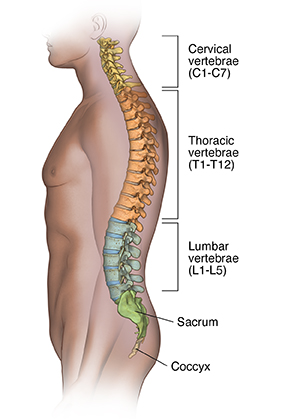
Correct placement is the single most important factor in using a lumbar pillow. Even premium products fail when positioned in the wrong spot.
Locate the Natural Curve of Your Lower Back
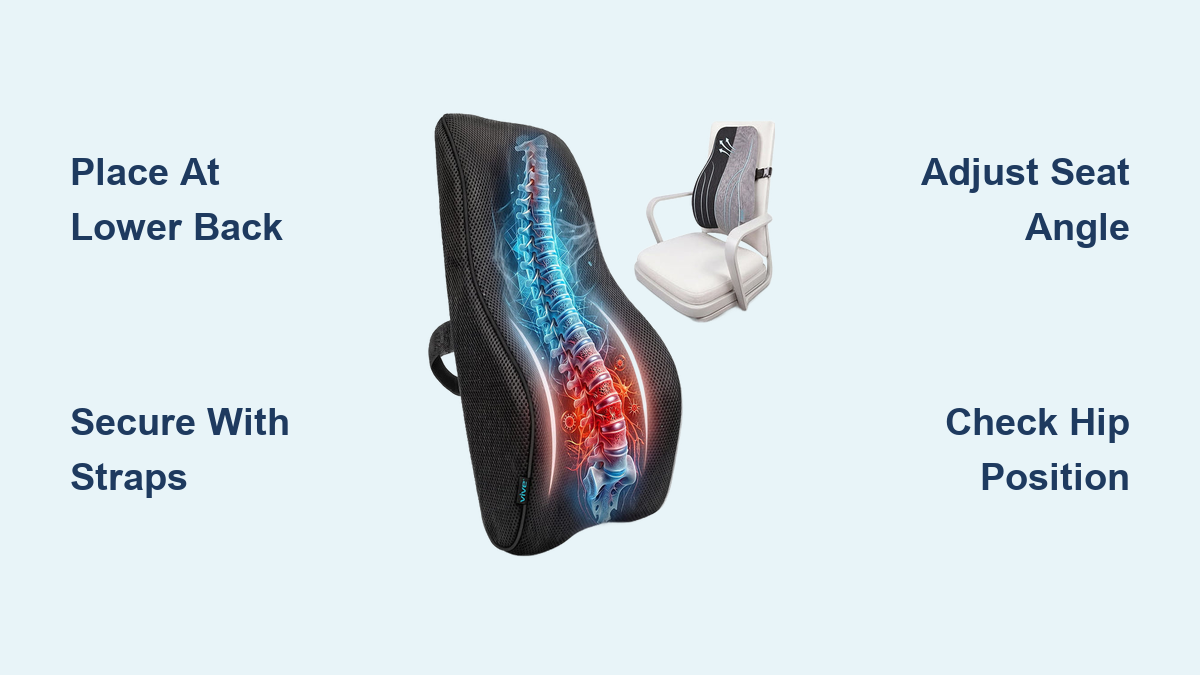
Sit upright and feel for the inward curve just above your tailbone. This is your lumbar region, usually at belt level or slightly above. The pillow should fill the gap between your lower back and the seat.
Pro Tip: Stand next to your car, bend slightly forward, then straighten up. The point that pushes outward is your lumbar curve. Place the pillow at that height before sitting.
Center the Pillow for Even Support
Align the pillow so it supports your spine symmetrically. It should not press into your ribs or tailbone. A pillow placed too high strains your mid-back, while one placed too low pushes on your pelvis and causes discomfort.
Fill the Gap Without Over-Pushing
The pillow should fit snugly, like a firm handshake, not a shove. You should feel supported without being forced forward. If your torso leans too upright, the pillow is too thick or over-inflated.
Secure the Pillow So It Stays in Place
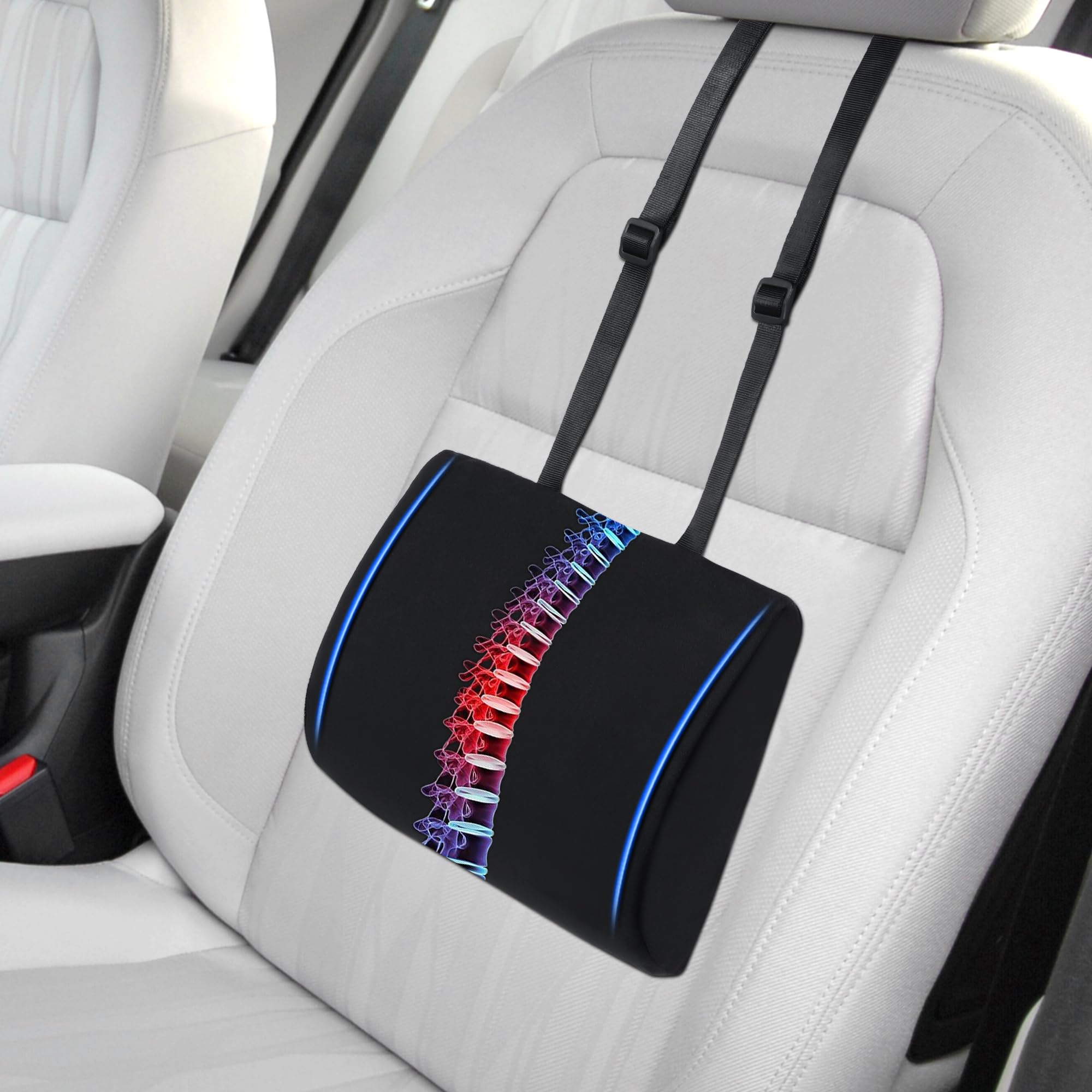
A shifting pillow loses its supportive function. It can slide down, bunch up, or deform mid-drive if not anchored properly.
Use Adjustable Straps the Right Way
Most memory foam and Alcantara pillows include elastic straps. Thread them around the seatback from top to bottom, or through the gap between the seatback and cushion. Pull tight enough to stop movement, but avoid crushing the foam, which reduces shock absorption.
Warning: Over-tightening straps can deform the pillow and create pressure points that worsen discomfort.
Engage Non-Slip Backing
Pillows with silicone or rubberized backing grip fabric seats well. Press the entire surface firmly against the seat before sitting. This backing works best on cloth upholstery and may be less effective on leather unless specifically designed for it.
Test Stability Before Driving
Sit down and shift in every direction: lean left, right, and forward. The pillow should stay in place. If it slips, reposition the straps or choose a model with stronger anchoring for your seat type.
Choose the Right Pillow for Your Vehicle

Not every lumbar pillow fits every car. Size, material, and adjustability all matter, especially in compact or oddly shaped seats.
Memory Foam for Vibration Absorption
Slow-rebound memory foam molds to your back and absorbs road bumps. It’s ideal for long drives and older vehicles with flattened seats. Look for OEKO-TEX STANDARD 100 certified covers to avoid harmful chemical exposure.
- Best for: SUVs, sedans, trucks
- Avoid in: Very small cars unless you choose a slim profile under 4 inches thick
Inflatable Supports for Compact Cars
Adjustable air pillows let you fine-tune firmness on demand. They’re great for travelers and drivers who share vehicles. Deflate them for easy storage.
- Best for: Compact cars, rental vehicles
- Caution: Start soft and add air gradually to avoid over-inflation
Alcantara for Premium Feel and Durability
Alcantara offers grip, breathability, and a luxury aesthetic. It’s easy to wipe clean and resists wear over time.
- Best for: Drivers who value interior aesthetics
- Maintenance: Spot clean only and avoid soaking
DIY Towel Roll as a Temporary Fix
Roll a hand towel and secure it with a seatbelt or rubber band for short-term relief. This option lacks durability and consistent support, so use it only in a pinch.
Avoid Common Placement Mistakes
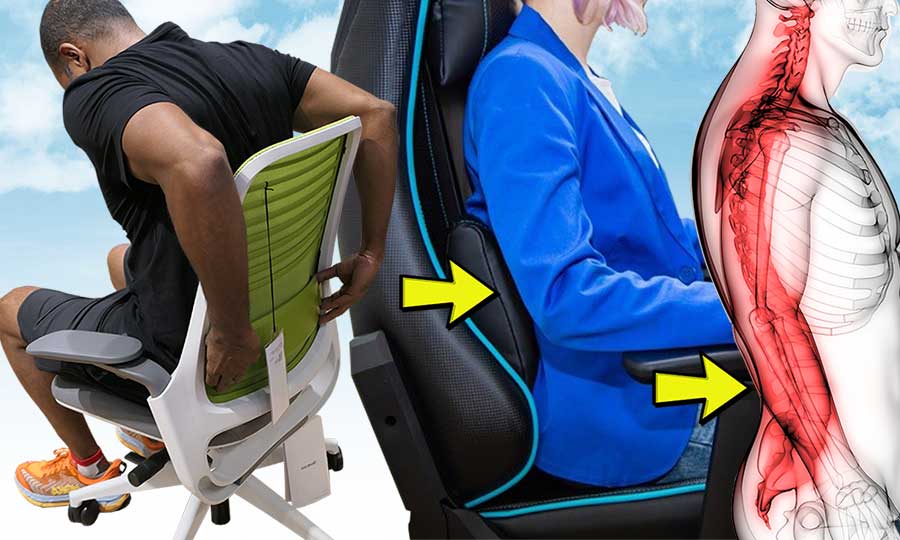
Small errors reduce effectiveness and can actually worsen back pain.
Don’t Place the Pillow Too High or Too Low
A pillow on the mid-back encourages slouching. One at the tailbone pushes your hips forward. Both misalign your spine.
Fix: Use the “fist test.” Slide your fist between your lower back and the seat. The pillow should replace that gap at the same level.
Don’t Slouch Over the Pillow
A pillow only works when your back rests against it. Slouching over the top defeats its purpose. Sit tall with shoulders back and head aligned over your spine.
Don’t Ignore Posture Changes Over Time
What feels good at mile 10 may cause stiffness by mile 100. Reassess your position every hour, shift slightly, adjust the pillow if needed, and take breaks.
Adapt Use for Medical Conditions

If you have spondylolysis, pars defects, or chronic back pain, standard advice may not apply.
Use a Firm Contoured Roll
Avoid bulky pillows. Choose a narrow, firm roll that supports the curve without adding pressure. Place it just above the built-in seat support.
Combine With Heat and Movement
Keep a portable heating pad in the car for use during rest stops. Pair it with the 90-minute rule: stop every 1.5 hours to walk and stretch tight muscles.
Prioritize Hip-Knee Alignment
Keep hips slightly higher than knees to reduce spinal load. Add a seat cushion if needed. This alignment is critical for preventing flare-ups.
Maintain Your Pillow for Long-Term Support
A dirty or degraded pillow loses support and becomes a hygiene risk.
Clean According to Material
- Memory foam: Remove the cover and wash in cold water. Air dry completely.
- Alcantara: Spot clean with mild soap and a damp cloth.
- Inflatable: Wipe with a disinfectant wipe. Never submerge.
Inspect for Wear and Compression
Squeeze the pillow. If it doesn’t spring back, the foam is dead. Replace it. A flat pillow offers no support and may worsen posture.
Store Properly
Keep the pillow in a cool, dry place away from direct sunlight. Avoid leaving it compressed under heavy objects, which damages foam integrity.
Pair the Pillow With Full-Body Ergonomics
Lumbar support is just one part of a healthy driving setup.
Align Your Headrest
Adjust the headrest so the center hits at ear level. This prevents neck strain and supports proper posture.
Keep Shoulders Relaxed
Roll shoulders back gently and keep elbows close to your body. Your arms should rest comfortably on the wheel without hunching.
Stay Hydrated and Move Often
Drink water regularly to reduce muscle fatigue. Never drive more than 2 hours without a break. Walk, stretch your back, and reset your posture.
Test and Fine-Tune Your Setup
After installation, run a quick evaluation.
Do a Short Test Drive
Drive for 10–15 minutes and ask yourself:
– Does my lower back feel supported?
– Am I slouching or leaning forward?
– Is the pillow staying in place?
Make Micro-Adjustments
Move the pillow up or down by an inch. Loosen or tighten the straps. Try a thinner or firmer option if discomfort persists.
Know When to Replace
If pain continues despite correct use, the pillow may not suit your body or vehicle. Try a different type or consult a physical therapist for personalized advice.
Frequently Asked Questions About Lumbar Support Pillows in Cars
Where exactly should a lumbar support pillow be placed in a car?
Place it at the natural inward curve of your lower back, typically at belt level or slightly above. It should fill the gap between your spine and the seat without pushing you forward.
Can a lumbar pillow help with chronic back pain while driving?
Yes. A properly placed pillow maintains the spine’s natural curve, reduces disc pressure, and prevents slouching. For conditions like spondylolysis or pars defects, use a firm, contoured roll and take breaks every 90 minutes.
How tight should the straps be on a lumbar support pillow?
Tight enough to prevent slipping, but not so tight that they compress the foam. Over-tightening reduces shock absorption and can create pressure points.
What type of lumbar pillow works best for small cars?
Inflatable or slim-profile memory foam pillows work best in compact cars. They allow you to adjust thickness and avoid pushing you too close to the steering wheel.
How do I clean a memory foam lumbar pillow?
Remove the outer cover and wash it in cold water. Air dry completely before reattaching. Never submerge the foam itself, as water damages its structure.
How often should I replace my lumbar support pillow?
Replace it when the foam no longer rebounds to its original shape or when the cover shows significant wear. Most high-quality pillows last 2–3 years with regular use.
Key Takeaways for Using a Lumbar Support Pillow in Your Car
Learning how to use a lumbar support pillow in car settings comes down to three essentials: correct placement at the natural lumbar curve, secure attachment without over-tightening, and pairing the pillow with proper seat ergonomics and regular breaks. Choose a material that matches your vehicle size and driving habits, and inspect the pillow regularly for wear.
Start by adjusting your seat, positioning the pillow at belt level, and taking a short test drive. Small refinements make a noticeable difference in comfort, posture, and long-term spinal health.