
How to Use Groove Pillow
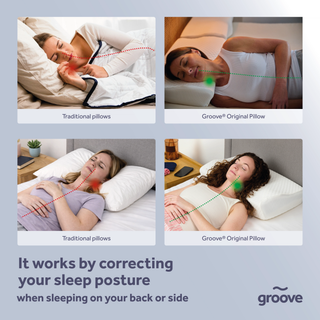
If you’ve just bought a Groove Pillow or are wondering how to use groove pillow effectively, you’re not alone. Many users start with high hopes but miss out on its full benefits because they treat it like a regular pillow. The Groove Pillow isn’t designed for fluffing and sinking. It’s an ergonomic support system engineered to align your spine, reduce neck pain, and improve sleep quality.
Using it correctly means understanding its unique contoured shape, firm memory foam core, and customizable loft settings. Whether you’re a side sleeper dealing with shoulder tension or a back sleeper chasing better alignment, this guide walks you through exactly how to use groove pillow for maximum comfort and long-term relief. You’ll learn setup steps, ideal positioning by sleep style, what to expect during the adjustment period, and key maintenance tips.
Let’s get you sleeping smarter, not harder.
Adjust Groove Pillow Height & Depth
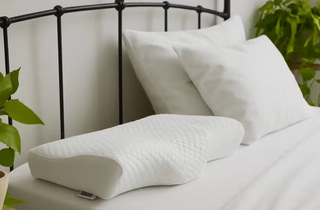
The Groove Adjustable Pillow stands out because it lets you tailor support to your body. Unlike one-size-fits-all pillows, it uses four removable foam inserts to control both height and depth, which is critical for maintaining spinal neutrality.
Choose Correct Loft for Your Build
Your ideal pillow height depends on your shoulder width and sleep position. Side sleepers need more lift to bridge the gap between mattress and head, while back sleepers need less to avoid chin tucking.
- High loft (all inserts in): Best for broad-shouldered side sleepers
- Medium loft (1–2 inserts removed): Ideal for average builds or combo sleepers
- Low loft (3–4 inserts removed): Recommended for narrow shoulders or strict back sleepers
Start with your sleep style in mind, then fine-tune over the first few nights.
Customize Neck Support Depth
Depth adjustment changes how far the pillow extends under your head and neck. This affects cradle stability and head positioning.
To increase depth (more support under the head):
– Place thicker inserts toward the rear of the internal chamber
To decrease depth (focus on neck support):
– Rearrange inserts so the front (neck) zone is higher than the back
This subtle change can prevent your head from tipping too far forward or backward during sleep.
Test and Refine Your Setup
After adjusting inserts:
1. Lie down on your bed in your usual sleep position
2. Check that your spine forms a straight line from skull to shoulders
3. If your chin points up or down, adjust the loft
4. If your head rolls sideways, tweak the depth or insert symmetry
It may take 2–4 nights to find your perfect configuration. Keep a small notebook by the bed to track changes and comfort levels.
Pro Tip: Make only one change per night, adjusting height OR depth, to isolate what works.
Position for Side Sleeping Correctly

Side sleeping creates the largest gap between your head and the mattress. Without proper support, your neck bends sideways, straining muscles and discs. The Groove Pillow fixes this, but only if used right.
Align Neck in the Contour Groove
Place the pillow so the U-shaped cutout cradles your neck, not your head. Your head should rest on the raised outer edge of the pillow, while your neck sinks slightly into the groove.
- Ears, shoulders, and hips should line up vertically
- Your jaw should stay parallel to the floor, not tilted up or down
If your shoulder feels compressed or your neck aches, increase the pillow height.
Prevent Shoulder Compression
Broad-shouldered users often press their shoulder into the mattress, causing numbness or rotator cuff strain. To avoid this:
- Use high-loft settings to lift the head fully
- Ensure the pillow extends under your shoulder blade area
- Avoid tucking your arm under the pillow, as it disrupts alignment
The firm foam prevents “bottoming out,” keeping your head elevated all night.
Stop Head from Rolling Forward
A common mistake is placing the head too far forward on the pillow. This throws off cervical alignment and strains the front neck muscles.
Instead:
– Slide your head back until the base of your skull rests on the pillow
– Let the contour support your neck’s natural curve
– Keep your chin slightly tucked, not lifted
Visual Cue: When viewed from the side, your nose should align with your sternum.
Optimize for Back Sleeping Alignment
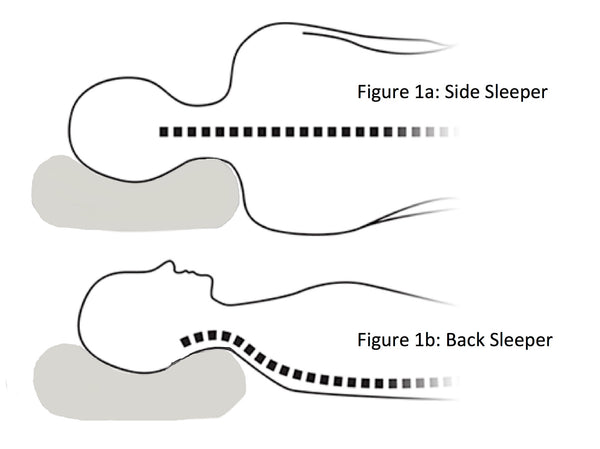
Back sleepers need less height but precise contouring to maintain the neck’s natural C-curve. Too much pillow lifts the head and closes the airway; too little causes strain. The Groove Pillow solves this with correct use.
Rest Neck in Center Groove
Lie down and center your neck in the U-shaped dip. Your head should rest gently on the lower section behind the neck support.
- The pillow should support, not lift, your head
- Your forehead and chin should stay level
- Avoid letting your head tilt to one side by using the full width of the pillow
This keeps your cervical spine neutral and reduces snoring risk.
Reduce Loft for Proper Chin Position
Most back sleepers benefit from removing 1–3 foam inserts. This lowers the profile and prevents overextension.
Signs your pillow is too high:
– Waking with a stiff neck
– Feeling like you’re “looking up” all night
– Jaw clenching or TMJ discomfort
If any apply, reduce height incrementally until symptoms improve.
Prevent Side-to-Side Head Movement
Even back sleepers shift slightly during REM cycles. The Groove Pillow’s raised edges help keep your head centered.
To enhance stability:
– Use a full-size or queen pillowcase to avoid bunching
– Try a silky pillowcase to allow smooth repositioning without friction
– Pair with a supportive mattress, since soft beds reduce pillow effectiveness
Expert Note: Back sleepers who also roll to their side should aim for medium loft to balance both positions.
Adapt to the Firmness Gradually
The number one reason people give up on the Groove Pillow is expecting it to feel soft. When it doesn’t, they assume it’s wrong. In reality, the firmness is the feature.
Expect Initial Discomfort
For the first 3–7 nights, the pillow may feel:
– Too hard
– Too high
– “Unnatural”
This is normal. Your body has adapted to poor alignment, often for years. The Groove Pillow corrects that, and the adjustment feels strange at first.
Think of it like braces: realignment takes time.
Focus on Morning Results
Judge the pillow by how you feel when you wake up, not when you lie down.
Ask yourself:
– Is my neck less stiff?
– Did I wake up fewer times?
– Does my shoulder pain feel reduced?
If yes, keep going, even if bedtime comfort is still improving.
Speed Up the Transition
To ease into the pillow:
– Sleep on it every night without switching back to old pillows
– Use a thin travel pillow behind your knees (back sleepers) or between legs (side sleepers) for full-body alignment
– Do gentle neck stretches before bed to release tension
Warning: Don’t add a second pillow under your head. It defeats the ergonomic design and increases strain.
Clean and Maintain the Pillow Properly
To keep your Groove Pillow performing like new, follow these care rules, especially if you want to preserve its cooling properties and shape.
Wash the Cover Regularly
The outer cover is removable and machine washable.
- Wash every 1–2 weeks with mild detergent
- Use cold water and gentle cycle
- Air dry or tumble dry on low heat only
Avoid bleach or fabric softeners, as they degrade the breathable fabric.
Never Soak the Foam Core
The memory foam must not be submerged or machine washed. Water damages the foam structure and can ruin the cooling gel infusion.
For spot cleaning:
1. Dampen a cloth with water and mild soap
2. Wipe affected areas gently
3. Blot dry with a towel
4. Let air dry for 24 hours before re-covering
Critical: Never use a hairdryer or heater to speed drying, as it can melt the foam.
Upgrade with Specialty Covers
The standard cover works well, but you can enhance performance:
- Cooling bamboo cover: For hot sleepers, improves airflow
- Silk-cotton blend: Reduces hair frizz and facial creasing
- Hypoallergenic cover: Ideal for allergy sufferers
These are sold separately and fit standard queen dimensions.
Avoid Common Setup Mistakes
Even small errors can turn the Groove Pillow from a pain reliever into a source of discomfort. Watch for these frequent missteps.
Using Wrong Sleep Position
The Groove Pillow is not designed for stomach sleepers. Lying face-down requires a very flat or no pillow. Using a contoured pillow like the Groove in this position forces your neck into extreme rotation, increasing strain.
If you’re a stomach sleeper:
– Consider switching to side or back sleeping
– Or use a thin, soft pillow just under the forehead
Ignoring Mattress Compatibility
A sagging or overly soft mattress undermines even the best pillow. If your bed dips in the middle:
– Your head sinks lower, forcing the pillow to work harder
– Spinal alignment breaks down regardless of pillow quality
Pair the Groove Pillow with a medium-firm to firm mattress for best results.
Skipping Insert Adjustments
Many users leave all inserts in “just in case,” leading to neck hyperextension. Or they remove too many, causing collapse.
Fix: Spend 10 minutes during the first week testing configurations. Once you find your sweet spot, stick with it.
Pro Tip: Label each insert with tape (e.g., “Layer 1 – Neck”) to make reassembly easier.
Maximize Long-Term Benefits

The Groove Pillow isn’t a quick fix. It’s a long-term investment in spinal health. Use these strategies to get lasting value.
Pair with Good Sleep Hygiene
Even the best pillow can’t fix poor habits. Boost results by:
– Going to bed and waking at consistent times
– Limiting screen time 1 hour before sleep
– Keeping your bedroom cool, dark, and quiet
The cooling gel in the pillow works best in a cool room (60–67°F).
Replace Only When Needed
Thanks to high-density foam, the Groove Pillow resists flattening. Most users get 2–3 years of daily use before noticing wear.
Signs it’s time to replace:
– Visible sagging or lumps in the foam
– Loss of contour definition
– Persistent odors after cleaning
No need to replace annually like traditional pillows.
Track Pain Relief Progress
Keep a simple log for the first month:
– Morning neck stiffness (1–10 scale)
– Shoulder pain episodes
– Number of nighttime awakenings
You’ll likely see improvement within 2 weeks, which is motivation to keep going.
Frequently Asked Questions About the Groove Pillow
How long does it take to get used to the Groove Pillow?
Most users need 3–7 nights to adapt to the firmer feel and contoured shape. During this time, your body adjusts from previous poor alignment. Judge success by morning comfort, not bedtime softness.
Can stomach sleepers use the Groove Pillow?
No, the Groove Pillow is not recommended for stomach sleeping. The contoured shape and firmness force the neck into extreme rotation. Stomach sleepers should switch to side or back sleeping or use a thin pillow instead.
How do I clean the memory foam core?
Never machine wash or submerge the foam. Spot clean only with a damp cloth and mild soap, then air dry for 24 hours. The outer cover is machine washable on a gentle cycle with cold water.
How often should I replace the Groove Pillow?
Thanks to high-density memory foam, the pillow lasts 2–3 years with daily use. Replace it when you notice visible sagging, loss of contour, or persistent odors that cleaning won’t fix.
What mattress works best with the Groove Pillow?
A medium-firm to firm mattress pairs best. Soft or sagging beds reduce the pillow’s effectiveness by allowing the head to sink too low, breaking spinal alignment.
Final Thoughts on Getting the Most from Your Groove Pillow
The Groove Pillow shines for side and back sleepers seeking spinal alignment, people with chronic neck or shoulder pain, and anyone tired of pillows that go flat in weeks. It’s less ideal for stomach sleepers or those who love sinking into a soft, fluffy pillow.
Remember: knowing how to use groove pillow isn’t about comfort on night one. It’s about alignment on night 30. Set it up right, position yourself correctly, and give your body time to adjust. Start tonight by testing your current insert configuration and noting how you feel in the morning. The payoff is deeper sleep, less pain, and waking up ready to move without the morning ache.