How to Sleep on Tempur-Pedic Neck Pillow
You’ve just unboxed your Tempur-Pedic Neck Pillow, and now you’re staring at a firm, contoured slab wondering how to actually use it. Unlike the plush down pillow you’re used to, this one doesn’t squish or mold instantly. The TEMPUR-Neck™ pillow is engineered for spinal alignment, which means it feels different by design. Many users report waking up pain-free, but only after learning the right way to sleep on it.
This guide walks you through everything you need to know. You’ll learn how to measure for the correct size, position the pillow properly, break it in effectively, and care for it long-term—so you can stop guessing and start sleeping better.
Measure for the Correct Pillow Size
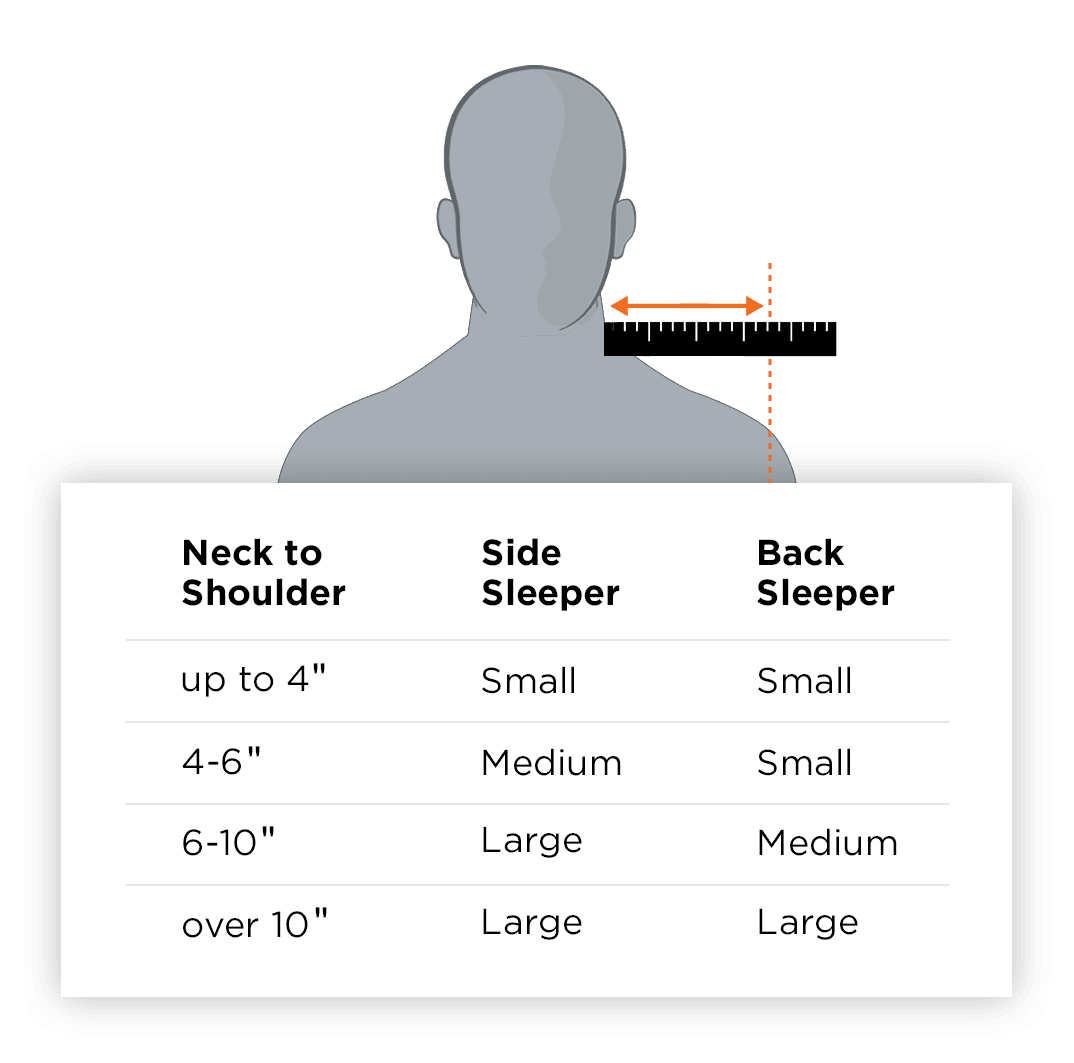
Find Your Neck-to-Shoulder Distance
Wrong sizing is the number one reason people dislike this pillow. Because TEMPUR-Material® is solid and doesn’t compress much, the loft must match your body. Here’s how to measure:
- Stand upright or lie flat in a neutral position.
- Place a ruler vertically from the base of your neck to the outer edge of your shoulder.
- Match your measurement to the size chart below.
| Measurement | Recommended Size | Loft Height |
|---|---|---|
| Under 14 inches | Small | 3.5 inches |
| 14–16 inches | Medium | 4 inches |
| Over 16 inches | Large | 4.75 inches |
Pro Tip: If you fall between sizes, choose the smaller option. Over-elevating your head causes more strain than under-elevating it.
Match Size to Your Build
- Small (2.5 lbs): Best for lightweight individuals or narrow-shouldered back sleepers who prefer less lift.
- Medium (3.2 lbs): Ideal for average builds and combination sleepers who shift between back and side.
- Large (4.0 lbs): Designed for broad-shouldered side sleepers who need maximum neck support.
- Travel Size: A compact 10″ x 12″ version that maintains alignment on the go.
A Large pillow under a narrow frame tilts your neck inward. A Small pillow under broad shoulders leaves a gap that causes misalignment. Getting this right makes or breaks your experience.
Position the Pillow the Right Way

Always Place the Contour Side Up
The TEMPUR-Neck™ pillow has a specific shape: a raised ridge to cradle your neck and a sunken center for your head. The contour must face upward at all times.
- The ridge supports the natural curve of your cervical spine.
- The depression holds your head level with your spine.
- Flipping it upside down or sideways eliminates the ergonomic benefit entirely.
Visual Cue: When oriented correctly, the pillow looks like a gentle wave—higher on the sides, lower in the middle.
Sleep by Position: Back, Side, or Stomach

Back Sleepers Get the Best Results
Back sleeping is where this pillow truly shines. Follow these steps for optimal alignment:
- Lie down and slide the pillow so the ridge sits directly under your neck.
- Let your head rest fully in the center dip, not on the raised part.
- Check your alignment: your chin should be level, not tucked or lifted.
Many users describe a “floating” sensation at first. This is normal and signals that the pillow is filling the space between your neck and mattress correctly. Lightweight back sleepers often find the Small size provides the most comfortable lift.
Side Sleepers Need Precise Sizing
Side sleeping works with this pillow, but only if your size matches your shoulder width.
- Lie on your side and position the pillow so the higher edge supports your neck from ear to shoulder.
- Your spine should form a straight line from head to hips.
- If your head tilts down, the pillow is too low—upgrade. If it tilts up, downsize immediately.
Warning: The firmness may feel harsh on your jaw or ear initially. Give it 2–3 weeks before deciding. If discomfort persists, this pillow may not suit your preferences.
Stomach Sleepers Should Avoid This Pillow
The TEMPUR-Neck™ is not recommended for stomach sleeping. Even the Small size at 3.5 inches is too high, forcing your neck into hyperextension and twisting your spine.
Better Alternatives Within the Brand:
– TEMPUR-Ombracio®: Features breathing zones and a flatter profile.
– TEMPUR-Traditional: Softer and lower for stomach sleepers.
If you’re committed to stomach sleeping, choose one of these models instead.
Break In the Pillow Properly
Expect Firmness at First
New users often describe the pillow as “like a brick.” This happens because TEMPUR-Material® cells are closed when manufactured. The foam is temperature- and pressure-sensitive, so it softens with your body heat and weight over time.
Don’t return it after one night. Plan for a 2–4 week adjustment period.
Speed Up the Softening Process
To accelerate the break-in:
– Roll and unroll the pillow 10–15 times daily to stimulate the cell structure.
– Knead it with your hands like dough to open the foam cells.
– Sit on it gently while watching TV or working at a desk.
– Lie on it consistently, even for 20 minutes during the day.
After a few weeks, the pillow will feel more responsive and conform better to your unique shape.
Manage Heat and Comfort

Choose the Cooling Version If You Sleep Hot
Standard memory foam traps heat, which can disrupt sleep for temperature-sensitive individuals. The Cooling model solves this problem with heat-absorbing fibers woven into the cover.
- The fabric feels cool to the touch.
- It draws warmth away from your body throughout the night.
- Users report a noticeable difference compared to the standard version.
Pro Tip: Pair the Cooling pillow with breathable cotton or bamboo bedding and a cooling mattress pad for maximum temperature regulation.
Add a Soft Pillowcase for Extra Comfort
The included polyester cover is hypoallergenic but may feel slightly synthetic. Adding a soft, breathable pillowcase over it improves comfort and protects against oils and sweat.
Wash the cover regularly in cold water on a gentle cycle, then tumble dry low or air dry. Never use high heat.
Maintain and Care for Your Pillow
Clean the Cover, Never the Core
- Remove the cover via the zipper.
- Machine wash in cold water on a gentle cycle.
- Tumble dry low or air dry completely.
- Never wash the foam core—water destroys the cell structure.
For spot cleaning the core, dampen a cloth with mild soap and water, wipe gently, and let it air dry fully before re-covering.
Extend the Pillow’s Lifespan
- Rotate weekly to prevent uneven wear.
- Avoid direct sunlight, as UV rays degrade the foam.
- Use a protective pillowcase as an extra hygiene barrier.
With proper care, your pillow lasts up to 5 years and is backed by a 5-year limited warranty.
Troubleshoot Common Problems
“My Neck Hurts After Using It”
- Cause: Wrong size, upside-down placement, or early break-in phase.
- Fix: Recheck your measurement, confirm the contour faces up, and wait 2–3 weeks. If pain continues, consult a healthcare provider.
“It Feels Too Hard”
- Cause: New pillow, no break-in, or preference for soft pillows.
- Fix: Knead daily, use body weight, and give it time. If firmness remains an issue after a month, this pillow may not match your comfort preference.
“My Head Is Tilted Too High”
- Cause: Pillow is too large for your frame.
- Fix: Downsize to the next lower profile. When in doubt, always go smaller.
“I Can’t Breathe Comfortably on My Side”
- Cause: Pillow is too high or misaligned with your shoulder width.
- Fix: Reposition so your spine stays straight. If the issue persists, consider a pillow specifically designed for side sleepers.
Maximize Long-Term Sleep Benefits
Pair With a Supportive Mattress
Even the best pillow cannot fix a sagging mattress. For full spinal alignment, use a medium-firm to firm mattress and replace it every 7–10 years.
Build Healthy Sleep Habits
- Set a consistent bedtime and wake time.
- Limit screen exposure before bed.
- Keep your bedroom cool, dark, and quiet.
A supportive pillow works best as part of a complete sleep routine.
Track Your Progress
After 30 days, evaluate your experience:
– Note any reduction in neck or shoulder pain.
– Rate your comfort on a 1–10 scale.
– Adjust position or size if needed.
Many users report waking up pain-free within 2–3 weeks of consistent use.
Frequently Asked Questions About the Tempur-Pedic Neck Pillow
How long does it take to get used to a Tempur-Pedic neck pillow?
Most users need 2–4 weeks to adjust. The TEMPUR-Material® starts firm and gradually softens with body heat and weight. Rolling, kneading, and sitting on the pillow speeds up this process.
Can stomach sleepers use a TEMPUR-Neck™ pillow?
No. The contour and loft are too high for stomach sleeping, which forces the neck into hyperextension. Stomach sleepers should choose the TEMPUR-Ombracio® or TEMPUR-Traditional pillow instead.
What happens if I choose the wrong size?
A pillow that is too large tilts your head upward and strains your neck. A pillow that is too small leaves a gap under your neck, causing misalignment and discomfort. Measure carefully and size down if you fall between two options.
Is the Tempur-Pedic neck pillow good for side sleepers?
It works well for side sleepers with broad shoulders who choose the Large size. Narrow-shouldered side sleepers may find even the Small size too high and rigid. Proper sizing is critical for side sleeping comfort.
How do I clean my Tempur-Pedic neck pillow?
Remove the polyester cover and machine wash it in cold water on a gentle cycle. Tumble dry low or air dry. Never wash the foam core—spot clean it only with a damp cloth and mild soap.
Does the Tempur-Pedic neck pillow sleep cool?
The standard model retains heat like most memory foam. The Cooling version features heat-absorbing fibers in the cover that draw warmth away from the body, making it a better choice for hot sleepers.
Key Takeaways for Sleeping on a Tempur-Pedic Neck Pillow
The Tempur-Pedic neck pillow is a long-term investment in spinal health, not an instant comfort fix. Success depends on three critical steps: measuring your neck-to-shoulder distance accurately, placing the contour side up every night, and committing to the 2–4 week break-in period. Back sleepers will experience the best alignment, while side sleepers with broad shoulders benefit most from the Large size. Stomach sleepers and those who prefer plush, sinking pillows should look elsewhere within the Tempur-Pedic lineup.
Your next step: measure your neck-to-shoulder width today and order the size that matches. Once it arrives, commit to the break-in routine and give your body time to adapt. Within a month, you’ll understand why so many users wake up pain-free.