Protect Pillow From Oily Hair: Quick Steps
If you wake up every morning with greasy hair and stained pillowcases, you’re not alone. Oily hair transferring onto your pillow is more than just an aesthetic issue; it can trigger a cycle of scalp overproduction, clogged pores, and even breakouts along your hairline. The root cause? Your pillowcase material, haircare habits, and nighttime routines may be working against you. Cotton, the most common fabric, absorbs oils but then recycles them back into your hair and scalp, prompting your sebaceous glands to produce even more oil. The good news: with the right fabric, protective barriers, and hygiene habits, you can stop oil transfer in its tracks. This guide reveals science-backed strategies to keep your pillow clean, your hair fresher longer, and your scalp balanced, starting tonight.
Choose the Right Pillowcase Fabric

The fabric of your pillowcase is the first line of defense against oily hair. Not all materials behave the same way. Some absorb oil aggressively, while others repel it and reduce friction that can trigger excess sebum.
Why Cotton Makes Oil Worse
Cotton pillowcases may feel soft, but they actively worsen oily hair. As a highly absorbent fabric, cotton pulls moisture, sweat, and natural oils from your scalp. This stripping effect tricks your scalp into thinking it is dry, causing sebaceous glands to overcompensate with excess sebum. The result is greasier hair by morning. Worse, unwashed cotton holds onto oil, bacteria, and product residue, transferring it back to freshly washed hair. Over time, this cycle contributes to scalp irritation and acne along the hairline.
Switch to Mulberry Silk
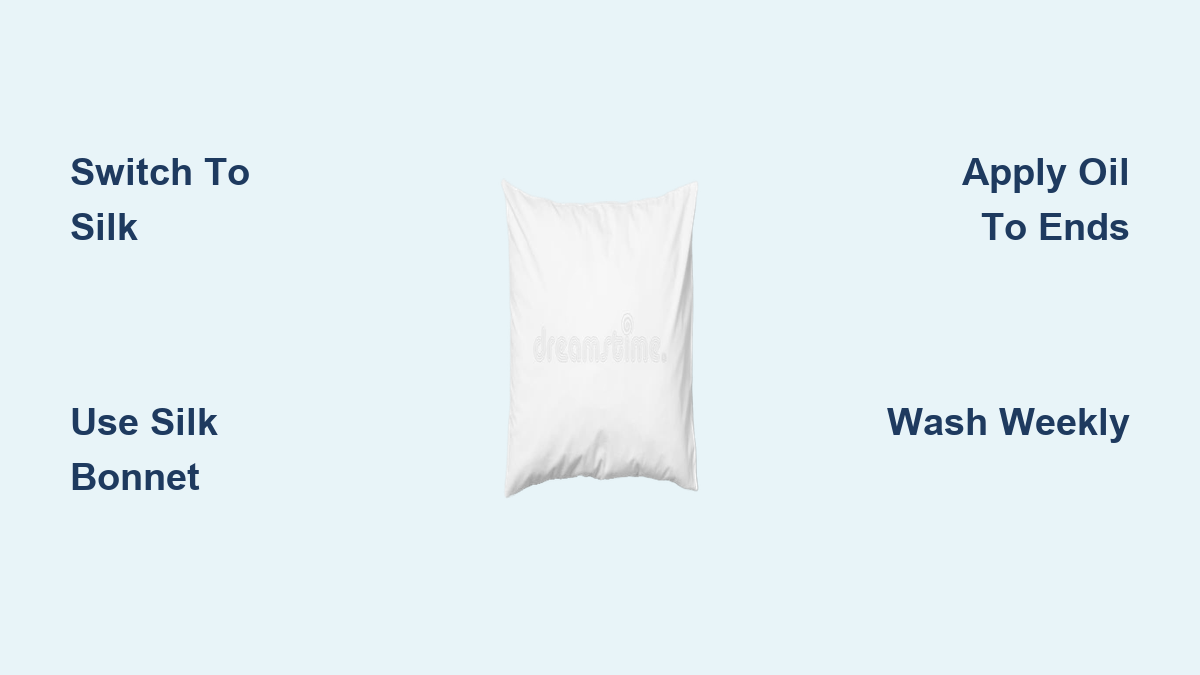
Mulberry silk is the gold standard for protecting pillows from oily hair. Unlike cotton, silk does not absorb moisture or oils. Instead, it allows them to remain on the hair shaft, preventing scalp dryness and rebound oiliness. With 43% less friction than cotton, silk reduces hair breakage and scalp irritation, both of which can stimulate oil production. Its smooth, non-comedogenic surface resists bacteria, dust mites, and mold, making it ideal for acne-prone skin. Clinical studies show that 90% of users report clearer skin and 91% notice improved hair health within six weeks of switching to silk.
Compare Satin and Bamboo Options
Satin, typically made from polyester, offers a low-friction surface that reduces oil absorption compared to cotton, but it is not as effective as silk. While budget-friendly, satin traps heat and sweat due to lower breathability, potentially increasing oil production. Bamboo fabric is cooling and antibacterial but still absorbs more oil than silk or satin. For oily hair, silk is superior, but satin is a viable alternative if silk is out of budget.
Pick High-Quality Silk
Not all silk delivers the same protection. To maximize results, choose 100% Mulberry Silk with a Grade 6A rating, which is the highest quality with longer, stronger fibers. Opt for a 22–30 momme weight: 19 mm is lightweight, but 22 mm or higher offers better durability and smoother texture, especially for thick or curly hair. The charmeuse weave provides the softest, most friction-free surface. Always look for Oeko-Tex® certification to ensure the silk is free from harmful chemicals.
Use Protective Nighttime Barriers
Even the best pillowcase needs backup when dealing with oily hair. Adding physical barriers creates an extra layer of protection, especially during oil treatments or for those with very greasy scalps.
Wear a Silk Bonnet
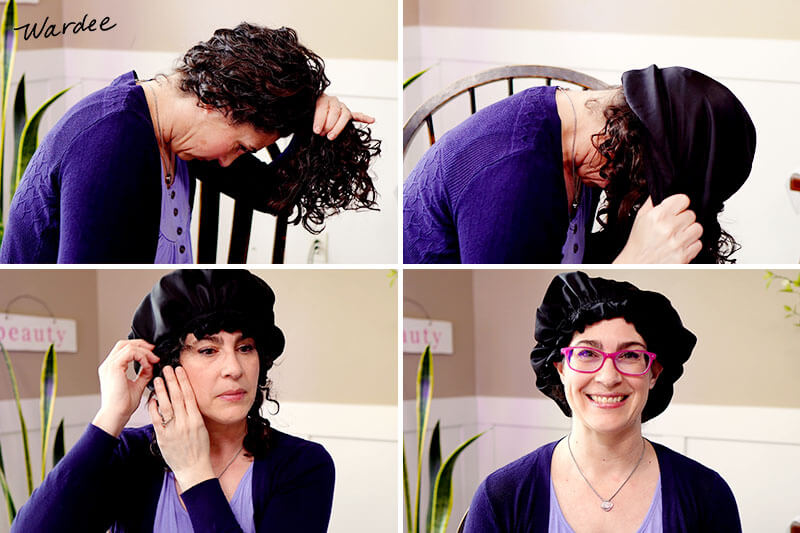
A silk bonnet is a game-changer for oily hair. It acts as the first barrier between your hair and the pillow, absorbing minimal oil while drastically reducing friction. This helps maintain scalp moisture balance and prevents oil from transferring to your bedding. Silk bonnets also preserve hairstyles and reduce tangles. For best results, choose a wide, adjustable bonnet that fully covers your hair without pulling. Use it nightly, especially if you have textured or curly hair prone to dryness and buildup.
Apply a Shower Cap for Oil Treatments
When using overnight oil treatments, always wear a shower cap. This creates a complete seal, trapping oil on your hair and preventing any leakage onto the pillow. It also locks in heat and moisture, boosting the treatment’s effectiveness. For extra protection, place a towel over your pillow to catch any potential drips. This method keeps your pillowcase clean and avoids the need for emergency washes.
Layer with a Towel
If a bonnet feels uncomfortable, a simple soft towel placed over your pillowcase works as a temporary shield. Ideal for nights when you have used heavy conditioners or oils, the towel absorbs excess residue and can be washed separately the next day. It is a low-cost, accessible solution. Just make sure to use a clean towel each time to avoid bacterial transfer.
Apply Oil Correctly at Night

Using hair oil does not have to mean stained pillows. With smart application techniques, you can nourish your hair without sacrificing your bedding.
Use Only 3–5 Drops
Over-applying oil is the number one cause of pillow stains. For medium-length hair, 3–5 drops of lightweight oil is usually enough. Start small; you can always add more later. Using too much guarantees runoff, especially when lying down.
Focus on Hair Ends, Not Scalp
To prevent oil from dripping onto your pillow, apply product only to the ends of your hair. The scalp naturally produces oil, so adding more can clog follicles and increase greasiness. Targeting dry, split ends keeps them hydrated without increasing root oiliness or risking transfer.
Choose Lightweight, Fast-Absorbing Oils
Opt for dry oils like argan, grapeseed, or jojoba oil. These absorb quickly into the hair shaft, leaving little to no residue. Avoid heavy oils like coconut or castor unless you are using a shower cap. Lightweight formulas moisturize without weighing hair down or staining fabric.
Braid or Tie Up Your Hair
Sleeping with hair loose increases surface contact with the pillow. Instead, braid or loosely tie your hair into a low bun. This minimizes the area of oil-rich hair touching the pillow and reduces tangles. A loose braid also helps distribute oil naturally from roots to ends without causing transfer.
Wash and Maintain Your Bedding
Even with protective measures, regular cleaning is essential. Oily residue builds up over time, and without proper care, your pillowcase becomes a reservoir for bacteria and grease.
Wash Pillowcases Weekly (or More)
At minimum, wash your pillowcase once a week. If you have very oily hair or use heavy products, wash every 2–3 days. This prevents the oil recycling effect, where old residue transfers back to your hair and scalp. Silk pillowcases can last longer between washes if you wear a bonnet, but weekly cleaning is still recommended.
Use Gentle Detergents
Harsh detergents can damage delicate fabrics like silk. Use a mild, pH-balanced detergent free from bleach and enzymes. For silk, consider a silk-specific wash to preserve the fibers and maintain softness. Avoid fabric softeners, which can coat the fabric and reduce its natural benefits.
Air Dry to Preserve Fabric
Always air dry silk pillowcases flat or hung in the shade. Heat from dryers weakens silk fibers and shortens their lifespan. Satin and cotton can go in the dryer on low, but air drying helps maintain texture and prevents shrinkage. Never wring out silk. Gently press out water and lay flat to dry.
Refresh Between Washes
If you cannot wash your pillowcase daily, use a quick refresh method. Lightly sprinkle baby powder or cornstarch on your roots or inside the bonnet before bed to absorb excess oil. This keeps hair looking fresher and reduces transfer without washing. Just be sure to brush it out in the morning to avoid buildup.
Optimize Your Haircare Routine
Protecting your pillow starts long before bedtime. Your daily habits directly impact how oily your hair becomes overnight.
Avoid Overwashing
Washing your hair too often strips natural oils, causing your scalp to overproduce sebum. If you wash daily, try reducing to every other day or 2–3 times a week. This helps regulate oil production and keeps your scalp balanced. Use a gentle, sulfate-free shampoo to avoid irritation.
Remove Product Buildup
Conditioners, serums, and sprays accumulate on the scalp and attract oil. Use a clarifying shampoo once a week to remove buildup. Focus on the scalp, not the ends. This prevents clogged follicles and reduces greasiness that transfers to your pillow.
Stop Touching Your Hair
Your hands carry oil, dirt, and bacteria. Frequently touching or brushing your hair throughout the day transfers these to your strands, increasing greasiness by bedtime. Minimize contact to keep hair cleaner longer.
Protect Skin and Hairline
Oily pillowcases do not just affect hair; they can cause breakouts on your face and neck. Silk’s hypoallergenic, non-comedogenic surface prevents pore clogging and bacterial transfer. Users with acne-prone skin often report fewer breakouts along the jawline and cheeks after switching from cotton to silk.
Tailor Your Strategy by Hair Type

The best protection plan depends on your hair and scalp needs. Customize your approach for maximum effectiveness.
For Extremely Oily Scalps
Use a 22–30 momme silk pillowcase paired with a silk bonnet every night. Wash the pillowcase every 2–3 days and apply oil only to ends. Avoid scalp treatments unless necessary, and use a clarifying shampoo twice a week to control buildup.
For Acne-Prone Skin
Choose 100% Mulberry Silk with Oeko-Tex® certification. Its non-comedogenic, antibacterial properties reduce facial breakouts. Avoid cotton at all costs, since its rough texture and oil retention worsen acne. Wash pillowcases weekly and consider using a clean towel barrier if you apply nighttime skincare.
For Curly or Thick Hair
Opt for 30 momme silk for maximum durability and smoothness. These hair types are prone to dryness but still benefit from reduced friction and oil control. Use a bonnet to preserve curls and prevent tangles. Apply lightweight oil to ends only, and braid hair before bed.
For Budget-Conscious Users
If silk is too expensive, start with a satin pillowcase. It is less breathable but still reduces friction and oil absorption compared to cotton. Pair it with a towel or bonnet to extend its life. Replace every 6–12 months as the texture degrades.
For Overnight Oil Treatments
Always use a shower cap and place a towel over your pillow. Apply only the recommended amount of oil, no more than 5–7 drops for long hair. Focus on mid-lengths and ends. Wash your hair and bedding the next morning to prevent buildup.
Frequently Asked Questions About Protecting Your Pillow from Oily Hair
What fabric is best for oily hair pillowcases?
Mulberry silk is the best fabric for oily hair pillowcases. It does not absorb oil, reduces friction by 43% compared to cotton, and helps prevent scalp overproduction of sebum.
How often should I wash my pillowcase if I have oily hair?
Wash your pillowcase every 2–3 days if you have very oily hair or use heavy products. At minimum, wash it once a week to prevent oil recycling and bacterial buildup.
Can a silk bonnet really protect my pillow from oil?
Yes. A silk bonnet acts as a primary barrier between your hair and pillowcase. It absorbs minimal oil, reduces friction, and keeps your pillowcase cleaner for longer periods.
Does sleeping on cotton cause greasy hair?
Cotton absorbs natural oils from your scalp, which strips moisture and triggers sebaceous glands to overproduce oil. This recycling effect leads to greasier hair by morning.
How much hair oil should I apply before bed to avoid staining my pillow?
Use only 3–5 drops of lightweight oil for medium-length hair. Apply it only to the ends, not the scalp, and braid or tie up your hair to minimize contact with the pillow.
Is satin a good alternative to silk for oily hair?
Satin is a budget-friendly alternative that reduces friction and oil absorption compared to cotton. However, it is less breathable than silk and may trap heat, which can increase oil production.
Key Takeaways for Protecting Your Pillow from Oily Hair

Protecting your pillow from oily hair comes down to three core actions: upgrading your fabric, creating barriers, and adjusting your routine. Switching to 100% Mulberry Silk (22 momme or higher) eliminates the oil-stripping effect of cotton and reduces friction by 43%. Adding a silk bonnet or shower cap creates a physical shield that prevents transfer during sleep. Finally, applying oil only to ends, washing pillowcases every 2–3 days, and avoiding overwashing will break the cycle of sebum overproduction.
Start tonight: replace your cotton pillowcase, tie up your hair, and commit to a weekly wash schedule. Within six weeks, you will likely notice fresher hair, clearer skin, and a pillowcase that stays clean.