How to Clean a Reading Pillow
You’ve spent countless hours propped up with your reading pillow, novel in hand, drifting off mid-chapter. Then one day you notice a faint musty smell, yellow stains creeping across the fabric, or a flat, lifeless feel that wasn’t there before. That grime isn’t just cosmetic. It’s a buildup of sweat, body oils, dust mites, and bacteria that can trigger allergies and shorten your pillow’s life. Cleaning a reading pillow the right way restores freshness, protects your health, and keeps that supportive loft you love.
The tricky part? Tossing your pillow in the washer without thinking can destroy the filling, cause irreversible clumping, or invite mold growth. Every material demands a different approach, and skipping the right step can ruin a perfectly good pillow. In this guide, you’ll learn exactly how to clean a reading pillow based on its filling, how to treat stubborn stains and odors, and how to maintain it between deep cleanings so it stays cozy for years.
Check the Care Label Before Doing Anything
:max_bytes(150000):strip_icc()/laundry-symbols-f0bfd25033ac4532b067d0d5ca1d8cfd.jpg)
Identify Your Pillow’s Filling
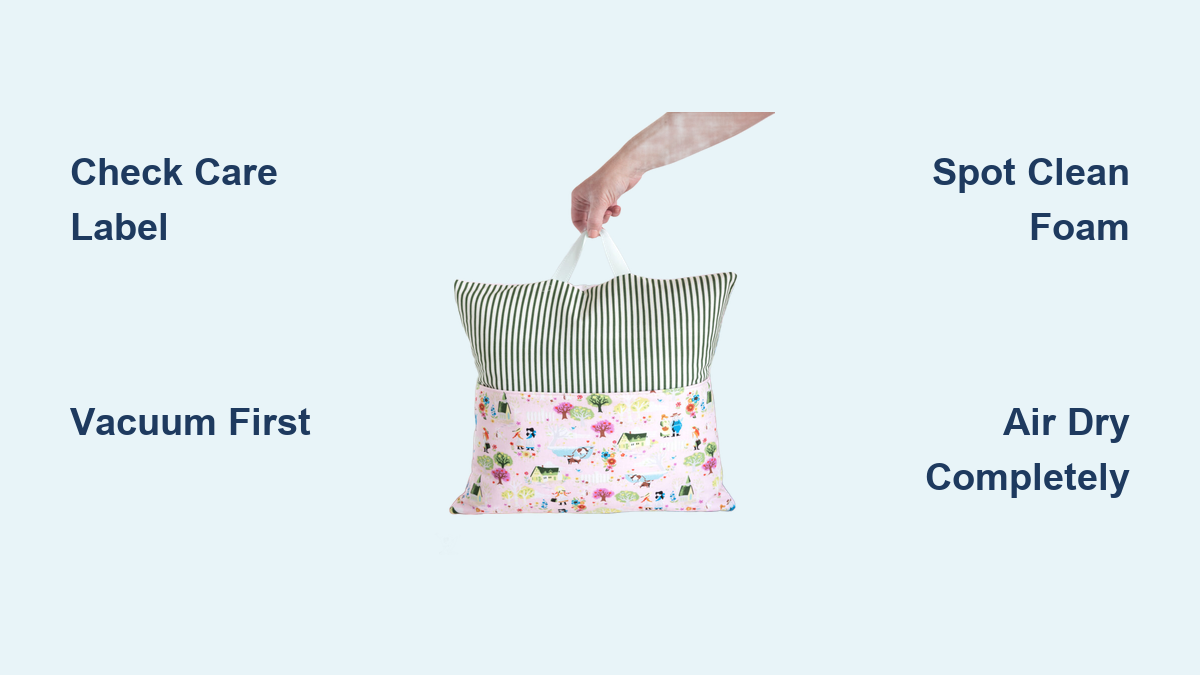
Before you touch a single drop of water, locate the care tag sewn into your pillow. That small label tells you whether the pillow is machine washable, hand wash only, or spot clean only. It also reveals the filling type, which dictates every decision you’ll make afterward.
Lost the tag? Inspect the pillow manually. A slow, contouring rebound means memory foam. A springy, airy feel points to synthetic fiberfill. Feathers shift and clump under pressure. Buckwheat hulls make a distinctive rustling sound when squeezed. Each filling reacts differently to water, heat, and agitation, so identification is non-negotiable.
Decode the Cleaning Symbols
Care labels use universal icons that save you from guesswork:
– A washing tub symbol means machine washable, with numbers indicating maximum water temperature.
– A hand in a tub means hand wash only.
– A crossed-out tub means do not wash under any circumstances.
– A sun symbol indicates safe to air dry in direct sunlight.
– An iron with dots warns about heat sensitivity.
When the label is faded or missing, default to the gentlest method. Spot cleaning and vacuuming are safe for nearly every pillow type.
Vacuum Before Any Wet Cleaning
Lift Out Hidden Debris
Even if you plan to machine wash the entire pillow, vacuum it thoroughly first. Use the upholstery attachment on your vacuum and run it across every surface, paying extra attention to seams, crevices, and tufted areas where dust, hair, and skin cells love to hide.
This step matters more than most people realize. Surface debris turns into muddy residue when wet, embedding deeper into the fabric. For memory foam and latex pillows that cannot be submerged, vacuuming is the foundation of every cleaning session.
Avoid Compressing the Filling
While vacuuming, use light pressure. Pressing too hard on foam or down pillows can shift the filling or even pull fibers through the cover. If the fabric has a loose weave, lay a thin cloth over the surface before vacuuming to act as a filter.
Remove and Wash the Cover Separately
Detach the Outer Layer
Most reading pillows come with a removable, washable cover. Always unzip and separate it from the inner pillow before cleaning. Inspect the cover for stains, odors, and wear, then treat it according to its own care label.
Cotton, polyester, and microfiber covers are usually machine washable. Wash the cover alone in cold or warm water on a gentle cycle using a mild detergent. Skip the bleach and fabric softener, since both degrade fibers over time and leave residues that trap odors.
Hand Wash Delicate Covers
Wool, silk, or tightly woven natural fiber covers need a gentler touch. Fill a clean basin with cool water and a small amount of gentle detergent. Submerge the cover, swish it slowly, then rinse thoroughly under running water. Press out excess moisture without wringing, then lay flat or hang to dry in the shade. For machine-washable covers that snag easily, tuck them inside a mesh laundry bag before tossing them in.
Spot Clean Memory Foam and Latex Pillows

Never Submerge Foam
Memory foam and latex are highly absorbent. Soaking them traps moisture deep inside, leading to mold, mildew, and permanent structural breakdown. Both materials also react poorly to machine agitation, which tears their cellular structure apart.
Spot cleaning is the only safe option:
1. Mix a few drops of mild dish soap into warm water.
2. Dampen a clean white cloth and wring it until almost dry.
3. Dab the stained area gently. Do not scrub, since friction damages the surface.
4. Wipe again with a second cloth dampened with plain water to lift soap residue.
5. Blot dry with a soft towel.
Air Dry Away From Heat
After spot cleaning, lay the pillow flat in a well-ventilated space. Keep it away from direct sunlight, radiators, and hairdryers, all of which can melt or crack foam. Allow 12 to 24 hours for full drying, flipping the pillow occasionally to expose all sides to airflow.
Machine Wash Synthetic and Feather Pillows
Use the Right Settings
Synthetic fiberfill and feather or down pillows are generally machine washable, provided the care label agrees. Use warm water for the deepest clean, unless the label specifies cold. Select the gentle or delicate cycle and add about 2 tablespoons of mild, fragrance-free detergent.
For extra cleaning power, add half a cup of baking soda to the drum before loading, or pour one cup of white vinegar into the fabric softener compartment. Baking soda lifts stains and neutralizes odors, while vinegar breaks down body oils and rinses away soap residue. Run an extra rinse cycle to flush everything out.
Balance the Load
A single pillow bouncing around the drum throws the machine off-balance and strains the motor. Always wash two pillows at once, or add two or three clean towels to even out the load. Placing pillows in mesh laundry bags prevents tangling and protects the fabric from snagging on the agitator.
Deep Clean Buckwheat and Wool Pillows
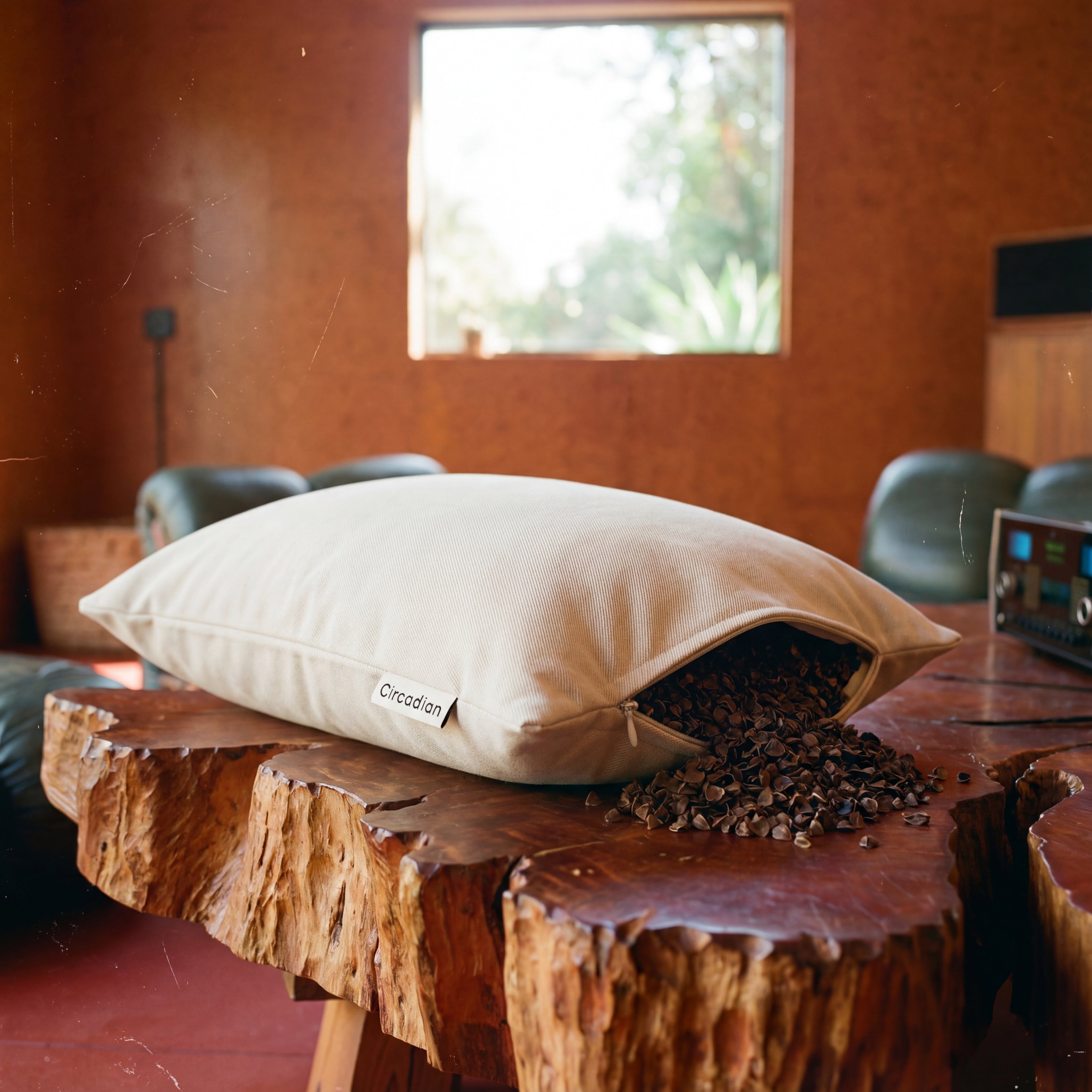
Refresh Buckwheat Hulls Without Water
Buckwheat hulls disintegrate when wet, so they should never be washed. Instead, empty the hulls into a large, dry container and set them aside. Machine wash the empty cover on a gentle cycle with cold water and mild detergent, then air dry it completely.
Spread the hulls in a thin layer on a clean surface in direct sunlight for one to two hours. The UV rays deodorize and sanitize without introducing moisture. Only reassemble the pillow once the cover is 100% dry.
Care for Wool Fillings
Wool pillows should never go in the washing machine. Air them out in sunlight once a month to restore bounce and kill odor-causing bacteria. Spot clean stains with a damp cloth and mild soap, then refresh the entire pillow by sprinkling baking soda over the surface, waiting 20 minutes, and vacuuming it away.
Remove Yellow Stains and Lingering Odors
:max_bytes(150000):strip_icc()/Baking-soda-and-stain-pre-treating-1901052_color-cdebdc6d60c648ada0099397a0253055.jpg)
Treat Sweat and Oil Stains
Yellow discoloration from sweat and body oils is one of the most common reading pillow problems. To lift these stains, make a paste of baking soda and water, apply it directly to the affected area, and let it sit for 15 minutes. Dab gently with a damp cloth, then launder as usual.
For machine-washable pillows, add one cup of white vinegar to the wash cycle to dissolve embedded oils. After washing, dry the pillow in direct sunlight. UV rays act as a natural bleach, fading yellow stains without harsh chemicals.
Neutralize Musty Smells
A stale or musty odor usually means trapped moisture or bacteria buildup. Sprinkle baking soda generously over the dry pillow, let it sit for at least 30 minutes, and vacuum thoroughly. Alternatively, place the pillow outdoors in fresh air and sunlight for two to three hours.
Avoid fabric sprays containing alcohol or heavy perfumes. They can irritate skin and leave residues that attract more dirt over time.
Dry Pillows the Right Way
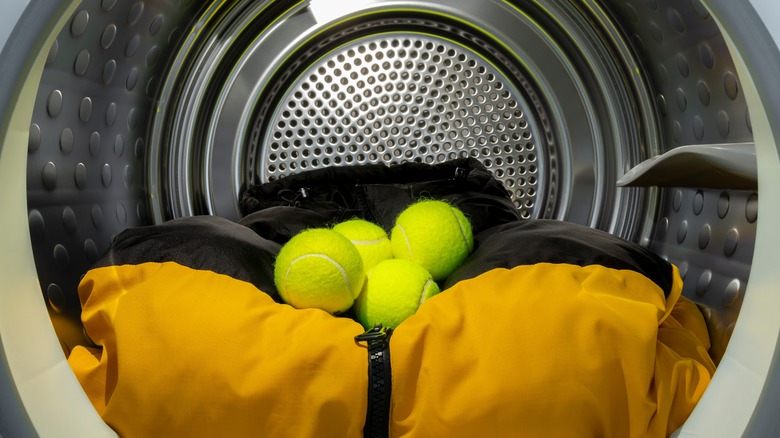
Machine Dry on Low Heat
Synthetic, feather, and down pillows can go in the dryer on low heat or air fluff. Toss in a few wool dryer balls or clean tennis balls sealed inside a sock to break up clumps and restore loft. Check the pillow every 30 minutes, pull it out, and fluff it by hand to redistribute the filling evenly.
Drying can take two to three hours. The pillow must feel bone dry all the way through before you put it back on the bed or chair. Any lingering dampness invites mold.
Air Dry Foam, Latex, Wool, and Buckwheat
These materials must air dry only. Lay the pillow flat on a clean surface in a well-ventilated area, ideally near a fan or open window. Flip it every few hours so all sides dry evenly. Never hang these pillows vertically, since gravity pulls the filling to one end and distorts the shape.
Fluff and Restore the Pillow’s Shape
Break Up Clumps by Hand
Even after proper drying, pillows can feel flat or lumpy. Punch, squeeze, and shake the pillow vigorously to redistribute the filling. For memory foam, knead gently with your palms to break up stiff spots. For feather or down, toss the pillow back in the dryer with dryer balls on air fluff for 10 to 15 minutes.
Maintain Loft Between Cleanings
Daily fluffing keeps the filling from settling. Rotate the pillow weekly by flipping it end-to-end or side-to-side so wear distributes evenly. Avoid sitting or kneeling on the pillow, which compresses the filling unevenly and shortens its lifespan.
Follow a Consistent Cleaning Schedule
Weekly and Monthly Habits
A little routine care prevents deep stains and odors from building up in the first place. Use this schedule as a baseline:
- Weekly: Vacuum the surface, fluff, and rotate.
- Every 2 weeks: Wash the removable cover.
- Every 2 to 3 months: Deep clean the inner pillow.
If you suffer from allergies or asthma, shorten the deep cleaning interval to every two months to keep dust mites and allergens under control.
Seasonal Deep Cleaning
Tie your pillow cleaning to Daylight Saving Time changes in spring and fall. This twice-yearly rhythm keeps your pillow fresh without requiring you to remember a separate date.
Protect Your Pillow for the Long Term
Add a Washable Protector
A breathable, washable pillow protector acts as a second skin, blocking sweat, oils, and spills before they reach the inner pillow. Cotton and bamboo blends offer comfort and airflow. Wash the protector every two to three weeks, the same rhythm as your bed sheets.
Store Correctly Between Uses
If you won’t use the pillow for weeks or months, clean it thoroughly first. Store it in a breathable cotton bag in a cool, dry place away from direct sunlight. Avoid plastic bins or garbage bags, which trap moisture and create the perfect environment for mold and mildew.
Troubleshoot Common Cleaning Problems
Pillow Still Feels Lumpy After Drying
Incomplete drying is the usual culprit. Return the pillow to the dryer with dryer balls or extend air drying time. Manually pull apart any remaining clumps by gently separating the filling with your fingers.
Musty Smell Returns After Cleaning
Lingering odor signals trapped moisture somewhere inside the pillow. Re-dry it completely, this time near a fan or in direct sunlight. Adding white vinegar to the next wash cycle helps prevent the smell from coming back.
Cover Shrinks and Won’t Fit
Some fabrics shrink with heat. Always wash covers in cold water and tumble dry on low, or air dry them flat. If shrinkage has already happened, gently stretching the cover while it’s still slightly damp can sometimes restore the fit.
Frequently Asked Questions About Cleaning a Reading Pillow
Can I put my reading pillow in the dryer?
Only if the care label explicitly allows it. Use the lowest heat setting and add dryer balls to break up clumps. Memory foam and latex must always air dry, since heat melts their structure.
How do I clean a reading pillow without a removable cover?
Vacuum thoroughly with an upholstery attachment, then spot clean stains using a damp cloth and mild detergent. Refresh the surface with baking soda or a gentle fabric spray. Never saturate a non-removable pillow with water.
Does sunlight damage reading pillows?
Sunlight whitens and deodorizes most fabrics and natural fillings, but prolonged direct exposure breaks down memory foam and latex. Keep drying time to two or three hours for foam pillows, and longer for everything else.
Can I use fabric softener when washing my pillow?
Skip liquid fabric softener. It coats fibers with a waxy residue that traps odors and reduces absorbency. Use white vinegar in the rinse cycle instead, and wool dryer balls during drying for natural softening.
How often should I replace my reading pillow?
With proper care, most reading pillows last one to three years. Replace yours if it stays flat after fluffing, develops a persistent musty smell, or no longer feels supportive. High-use pillows may need replacement sooner.
Key Takeaways for a Fresh, Long-Lasting Reading Pillow
Cleaning a reading pillow comes down to three core principles: match the method to the material, avoid excess water and heat on sensitive fillings, and dry everything completely before use. Check the care label first, vacuum before washing, and treat stains with baking soda or vinegar rather than harsh chemicals. Stick to a simple schedule of weekly vacuuming, biweekly cover washing, and seasonal deep cleaning, and your pillow will stay supportive, hygienic, and inviting for every reading session to come.