How Long Lice Live on Pillows: Facts & Tips
You wake up with an itchy scalp and suddenly wonder: Could lice be in my pillow? If you or a family member has head lice, it’s natural to worry about contamination, especially on bedding. The good news is that head lice cannot live on pillows for more than 24 to 48 hours. While lice can technically survive briefly off the scalp, the risk of catching them from a pillow is extremely low.
In this guide, you’ll learn exactly how long lice live on pillows, whether nits can hatch there, and what cleaning steps are truly necessary. You’ll also discover why over-cleaning is unnecessary and how to focus on what really matters: treating the person, not the pillow.
Survival Time of Lice Off the Scalp
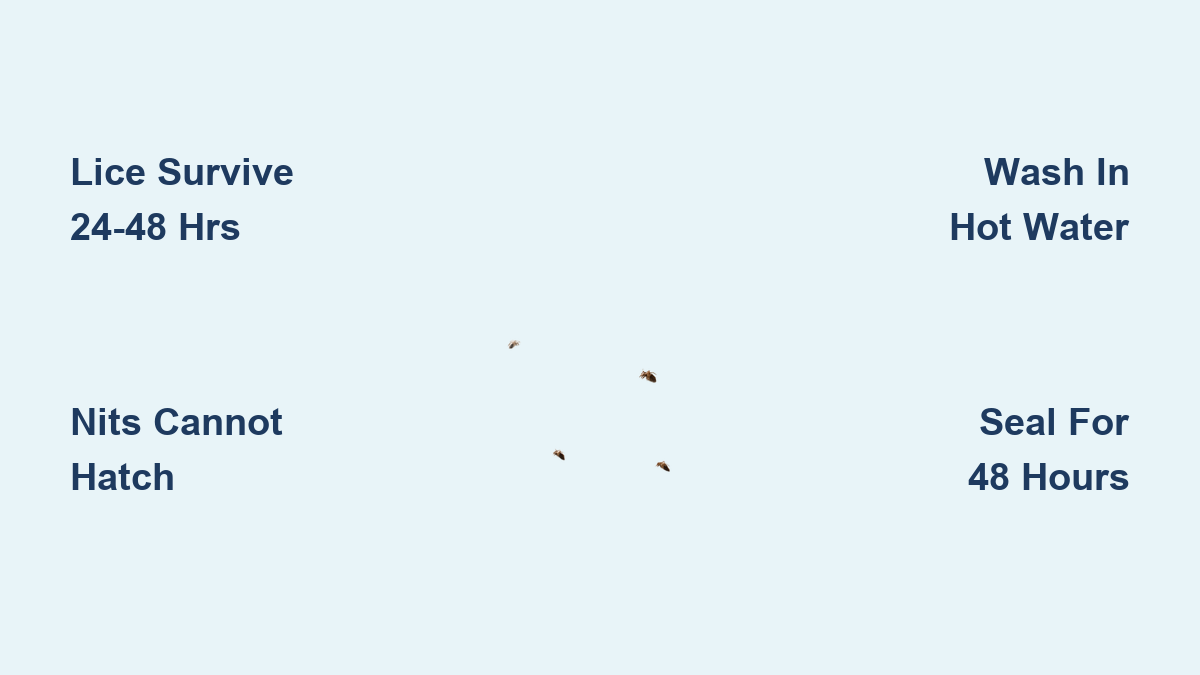
Head lice are parasites that depend entirely on human blood and scalp warmth to survive. Without these, they quickly weaken and die. Once removed from the head, adult lice usually survive no more than 24 to 48 hours. Most die within a day due to dehydration and starvation.
Lice are not like bed bugs. They don’t burrow into fabrics or hide in seams. They lack the ability to jump or fly and struggle to crawl across flat surfaces like pillowcases. Their claw-like legs are built for gripping hair, not fabric, which makes it difficult for them to transfer from one person to another via bedding.
Why Lice Die Quickly Off the Host
Lice have a high metabolic rate and need to feed on blood multiple times daily. When separated from the scalp, they face three critical problems:
• They cannot eat and quickly become starved
• They lose moisture rapidly due to dehydration
• They no longer receive the warmth (30-32°C) their bodies need to function
Without these conditions, their bodies shut down fast. The CDC, NICE, and other health authorities confirm that 48 hours is the maximum survival time, with most lice dying much sooner.
Can Lice Live on Pillows?
Yes, lice can end up on pillows, but only temporarily. If someone with lice sleeps on a pillow, a live louse might crawl off or fall onto the surface. However, it will not survive more than 24 to 48 hours without access to blood and scalp warmth.
Risk of Transmission from Pillows
The chance of getting lice from a pillow is very low. For transmission to occur, several unlikely events must happen:
- A live louse falls onto the pillow
- It stays alive for up to two days
- Another person places their head directly on the same spot
- The louse successfully moves into their hair
Given lice’s poor mobility on fabric and rapid death off the scalp, this chain of events is rare. Experts agree: direct head-to-head contact is the main way lice spread, not shared bedding.
What About Nits on Pillows?
No, lice eggs (nits) cannot hatch on pillows. Nits need consistent heat from the scalp, around 30-32°C, to develop. Once detached from hair, they dry out and die before hatching.
Even if a nit stays attached to a fallen hair on your pillow, it won’t hatch without body heat. Additionally, nits are glued tightly to hair shafts and rarely fall off unless the hair sheds. Finding a nit on a pillow is uncommon and poses no infestation risk.
Cleaning Pillows After Lice Exposure
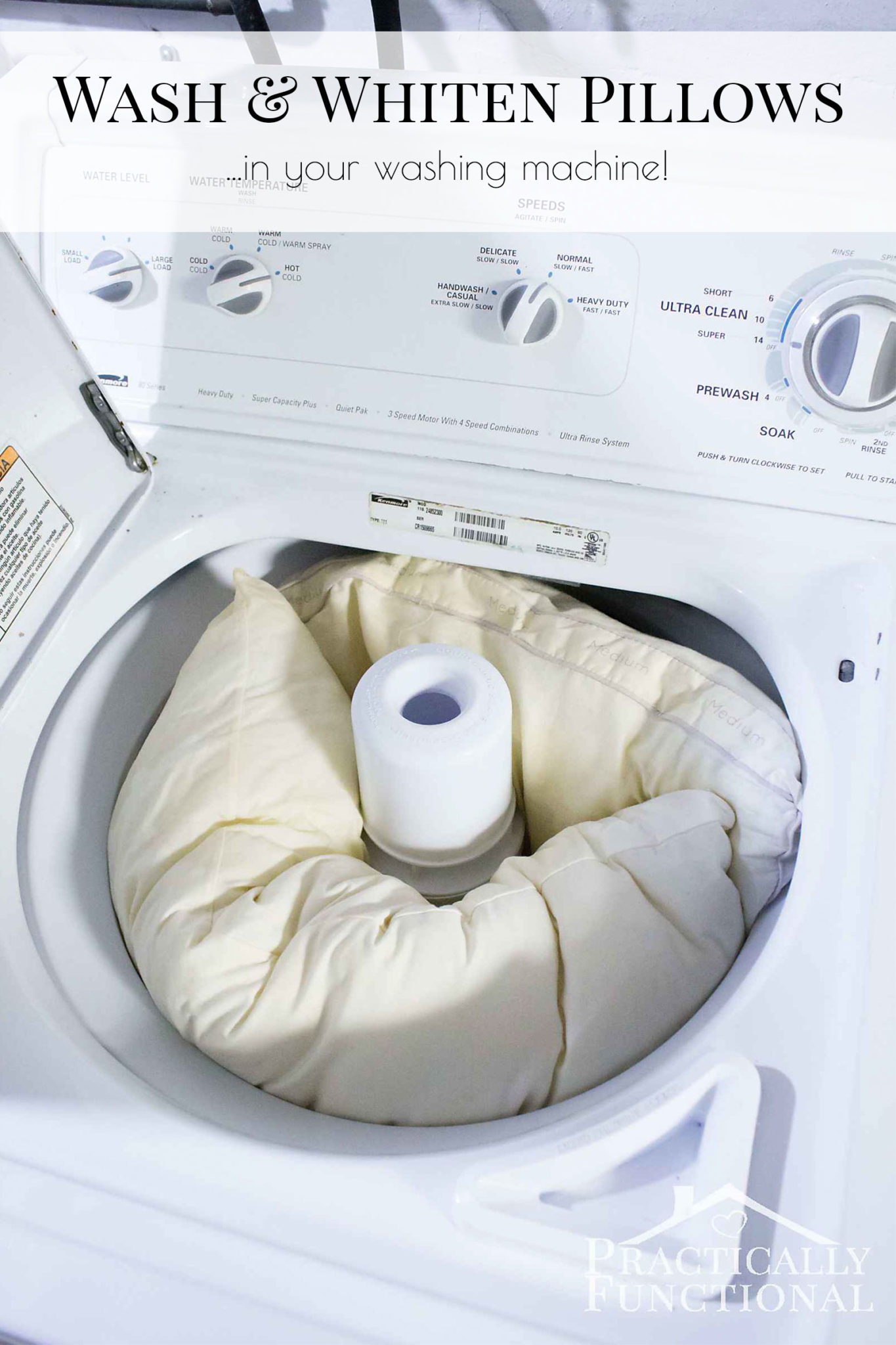
While the risk of reinfestation from pillows is minimal, cleaning provides peace of mind and eliminates any live lice that might be present.
Washable Pillows: Hot Wash and Dry
For machine-washable pillows, follow these steps:
• Wash in hot water at least 130°F (54°C) using regular detergent
• Dry on the highest heat setting for 30 or more minutes
• Add dryer balls to help fluff the pillow and ensure even drying
• Make sure the pillow is completely dry before reuse to prevent mold
Heat is the key factor. This combination kills both live lice and any nits that might be present.
Non-Washable Pillows: Seal or Dry
If your pillow is not machine-washable, you have two effective options:
• Seal it in a plastic bag for 48 hours. Since lice cannot survive beyond two days off the host, this method guarantees they die.
• Run it through a dryer on high heat for 30 minutes, but only if the care label allows. Check first to avoid melting or damage.
This is just as effective as washing and much simpler for delicate materials.
Pillowcases and Bedding: Wash Immediately
Pillowcases pose a slightly higher risk since they have direct head contact. Always wash pillowcases in hot water, dry on high heat, and do this within 48 hours of lice detection. Also wash sheets, blankets, and sleepwear used in the past two days.
Effective vs. Unnecessary Cleaning Steps
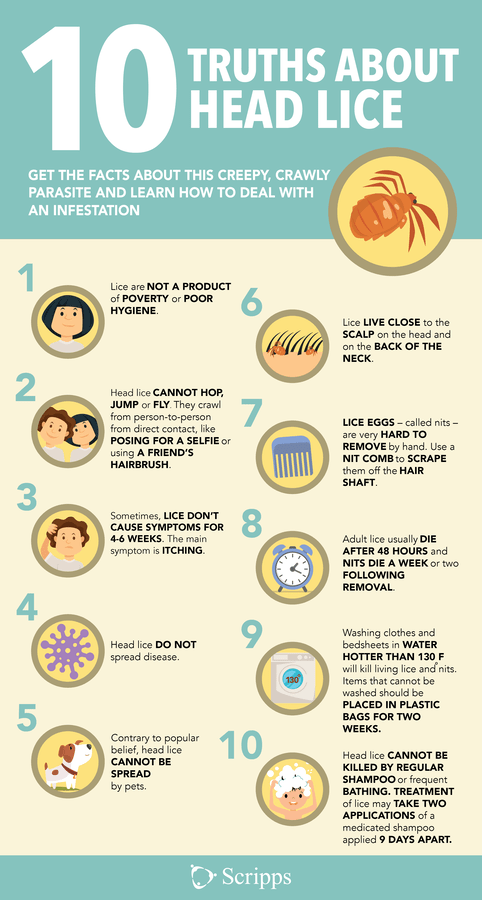
Not all cleaning efforts are worth your time. Focus on what works and skip the rest.
Do This
These steps are proven effective:
• Wash pillowcases, bedding, and sleepwear in hot water
• Dry everything on high heat for 30 or more minutes
• Vacuum the mattress and bed frame
• Soak combs and brushes in hot water (130°F+) for 5-10 minutes
Skip This
These steps are unnecessary and wasteful:
• Fumigating or bug bombing rooms (ineffective and potentially harmful)
• Throwing away pillows (unnecessary unless old or damaged)
• Deep-cleaning entire homes (lice don’t live in walls or carpets)
• Bagging stuffed animals for weeks (48 hours is enough)
The National Pediculosis Association and CDC stress that obsessive cleaning does not prevent reinfestation. Most repeat cases come from untreated people, not dirty homes.
How Lice Actually Spread
Understanding how lice spread helps you focus on what really matters for prevention.
Primary Route: Head-to-Head Contact
Over 95% of lice infestations spread through direct head-to-head contact. This is common among children during playtime, sleepovers, group photos, and close conversations. Lice crawl from one scalp to another in seconds. They do not jump, fly, or leap.
Secondary (Rare) Routes: Shared Items
Indirect transmission can happen through shared personal items, but it is much less common. These include hats, scarves, helmets, hairbrushes and combs, headphones, and towels or pillows used immediately after an infested person.
Still, the window for survival is short, so risk drops sharply after 48 hours. The primary focus for prevention should always be avoiding head-to-head contact rather than worrying about contaminated objects.
Types of Lice: Know the Difference
Not all lice behave the same way. Understanding the differences helps you respond appropriately.
Head Lice vs. Body Lice
Head lice live on the scalp and feed on blood. They do not live in clothing or bedding and die quickly off the host.
Body lice are completely different. They live in clothing and bedding, only crawling onto skin to feed. They can survive several days off the body and can spread through shared garments. Body lice can also transmit diseases like typhus. These lice are linked to poor hygiene and overcrowding.
Importantly, head lice are not a sign of uncleanliness. They affect people of all socioeconomic backgrounds.
Pubic Lice (Crabs)
Pubic lice mainly infest pubic hair and spread through sexual contact. They can also live in coarse body hair, including beards, armpits, and eyelashes. Like head lice, they die within 1-2 days off the host.
None of these types can live on pets. Lice are species-specific to humans and cannot survive on animals.
Prevention: Stop Lice Before They Spread
Taking preventive measures reduces the chance of infestation and reinfestation.
Avoid Head-to-Head Contact
Teach children to keep their heads apart during play. Use photos or role-playing to demonstrate safe distances. This single precaution prevents the majority of lice transmission.
Do Not Share Personal Items
Make it a household rule to never share hats, scarves, hoods, hair ties, brushes, combs, helmets, headphones, or towels. Store coats and backpacks in individual cubbies rather than communal piles.
Weekly Head Checks
Use a fine-toothed lice comb to check behind the ears and at the nape of the neck. Do this weekly, especially during outbreaks at school or camp. Look for live lice (tan to gray, sesame seed-sized), nits glued within 6 mm of the scalp, and itching or red bite marks.
Treat Promptly
At the first sign of lice, use FDA-approved treatments such as permethrin, pyrethrins, or ivermectin. Follow instructions carefully and repeat treatment as directed, usually 7-9 days later. Comb wet hair with a lice comb daily.
Avoid unproven natural remedies like tea tree oil. These lack strong scientific evidence and may delay effective treatment, making the infestation worse.
Frequently Asked Questions About Lice on Pillows
How long can lice live on a pillow?
Lice can survive on a pillow for up to 24-48 hours, but most die within 24 hours. Without blood and scalp warmth, they quickly become dehydrated and cannot survive longer than two days.
Can lice eggs hatch on a pillow?
No. Nits require scalp heat (30-32°C) to develop. Off the head, they dry out and die. Finding a nit on a pillow poses no infestation risk.
Should I throw out my pillow after lice?
No. Cleaning is sufficient. Wash the pillow in hot water and dry on high heat, or seal non-washable pillows in plastic for 48 hours. Discard only if the pillow is old, flat, or damaged.
Can pets carry head lice?
No. Head lice only infest humans. Pets cannot spread or harbor them. Lice are species-specific and cannot survive on animals.
Is it safe to sleep on the same pillow after lice?
Yes, after 48 hours, or after washing and drying. Any lice present will be dead by then. This applies to both treated individuals and household members.
Do I need to clean the whole house?
No. Focus on items with recent head contact: pillows, pillowcases, hats, and combs. Vacuum the bedding area, but skip deep cleaning of entire homes. Lice do not live in furniture, carpets, or walls.
What kills lice instantly on pillows?
Heat kills lice instantly on pillows. Washing in hot water (130°F+) and drying on high heat for 30 minutes eliminates both live lice and nits. For non-washable pillows, sealing in plastic for 48 hours is equally effective.
Key Takeaways for Managing Lice on Pillows
Understanding lice biology helps you respond calmly and effectively without unnecessary stress or over-cleaning.
Head lice can survive on pillows for up to 24-48 hours, but they die quickly without blood and scalp warmth. Nits cannot hatch off the scalp, so eggs on bedding pose no infestation risk. Transmission via pillows is very rare, with direct head-to-head contact being the primary route of spread.
For cleaning, wash pillowcases and washable pillows in hot water (130°F+) and dry on high heat for 30 or more minutes. For non-washable pillows, sealing in plastic for 48 hours works perfectly. Skip fumigation, throwing away pillows, and excessive household cleaning. These steps waste time and money without preventing reinfestation.
Focus your efforts on treating the person with lice and checking close contacts. Use FDA-approved treatments, comb wet hair daily, and repeat treatment as directed. Check all household members weekly and treat anyone who shows signs of infestation.
With the right approach, you can eliminate lice completely without panicking or deep-cleaning every surface in your home. The key is treating people, not objects.