
How to Use a Microwavable Heating Pad
You’ve just finished a long day at the desk, your shoulders are tight, or maybe your lower back aches after a workout. You reach for your microwavable heating pad, soft, comforting, and drug-free. But are you using it correctly? Even though these pads are simple to operate, improper use can lead to burns, fire hazards, or product damage. Knowing how to use microwavable heating pad products safely is essential for pain relief without risk.
This guide walks you through every step: from choosing the right heating time based on your microwave’s power, to avoiding dangerous mistakes like trapping heat under blankets. You’ll learn how to inspect your pad, heat it in safe increments, apply it properly, and maintain it for long-term use. Whether you’re using a flaxseed neck wrap, rice-filled back pad, or clay-bead eye mask, these evidence-based tips ensure you get soothing warmth without the risks.
Check Pad Condition Before Use
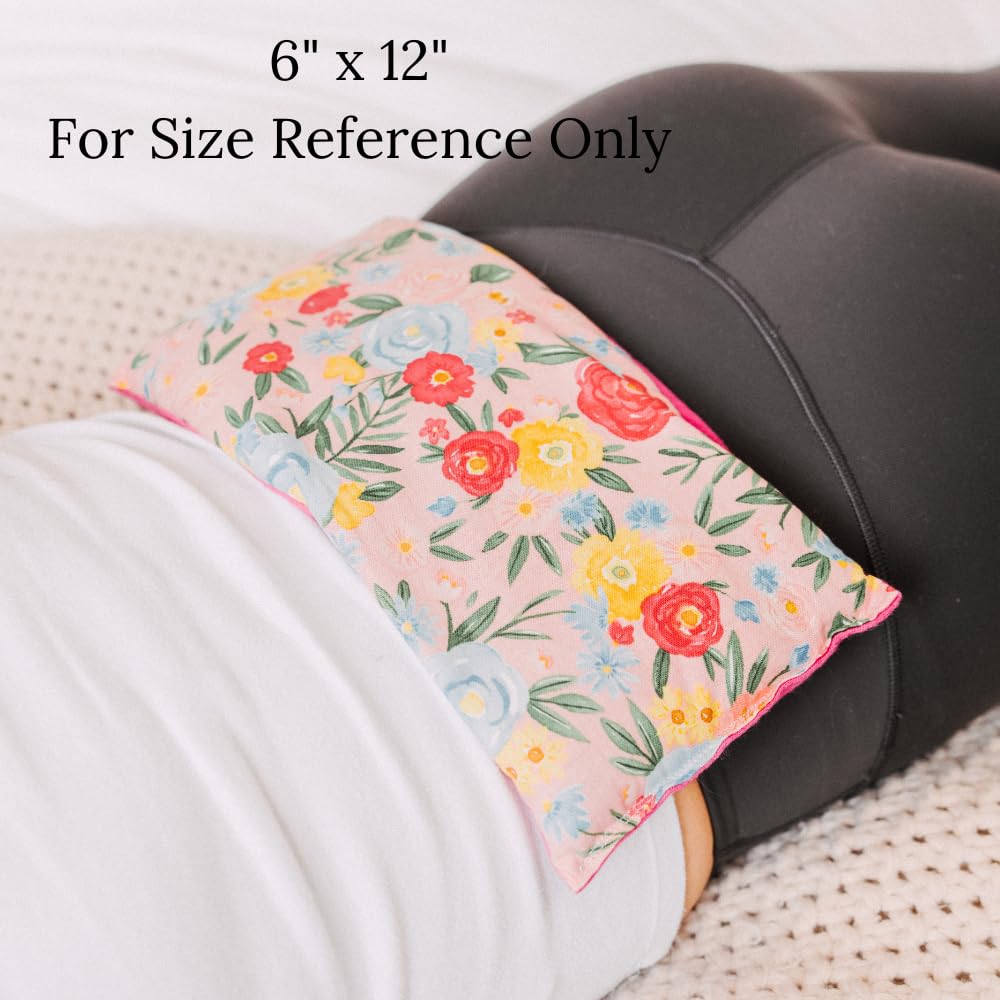
Before every heating session, inspect your pad thoroughly. A small tear or clump inside can turn a relaxing experience into a safety hazard.
Inspect for Physical Damage
Look closely at the fabric for fraying, thinning, or holes. If threads are loose or the outer cover feels weak, stop using it. Damaged pads can burst open when heated, spilling hot filler onto your skin and causing burns.
Shake to Prevent Hot Spots
Clumped filling heats unevenly, creating dangerous hot spots. Shake the pad vigorously to distribute the contents, especially if it’s filled with rice, flaxseed, or grains. This simple step ensures consistent warmth and prevents scorching.
Confirm Cleanliness and Dryness
Never use a damp or soiled pad. Moisture can cause mold, ruin the filler, or create steam burns. Spot-clean only with a damp cloth if needed, and never submerge in water. Ensure it’s completely dry before heating.
Prepare Microwave and Environment
Your microwave’s condition and setup play a key role in safe, even heating. A dirty or obstructed turntable can lead to overheating and fire.
Clean Interior and Turntable
Wipe away food splatters and crumbs. Leftover residue can overheat and burn the pad’s fabric. Make sure the turntable rotates freely so heat distributes evenly.
Use a Protective Layer
Place a clean paper towel under the pad. It absorbs any minor moisture and keeps the microwave clean. Avoid placing the pad directly on a stained or greasy surface.
Remove All Tags and Labels
Plastic tags, price stickers, or care labels can melt or ignite in the microwave. Take them off before first use and double-check each time.
Heat in Short, Controlled Bursts

Heating time isn’t one-size-fits-all. Your microwave’s wattage, pad size, and filler type all affect how quickly it warms.
Start Based on Microwave Wattage
Match your heating time to your microwave’s power:
– 600W to 800W: Start with 90 seconds
– 850W to 1000W: Begin with 60 seconds
– 1200W or more: May need less than 60 seconds
Most pads reach optimal warmth in 60 to 90 seconds, but always begin conservatively.
Use the 30-Second Safety Start
Begin with 30 seconds, then remove the pad and:
1. Shake well to redistribute filler
2. Touch-test multiple areas for even heat
3. Reheat in 15 to 20-second bursts until desired warmth
This prevents scorching and lets you monitor temperature closely.
Avoid Reheating a Warm Pad
Never microwave a pad that’s still warm. Let it cool fully to room temperature first. Reheating increases the risk of overheating and fire.
Test Temperature Before Applying

Even if the pad feels safe on the surface, internal temperatures can exceed 157°F (69°C), which is hot enough to cause full-thickness burns.
Wait One Minute After Heating
Allow the pad to sit for at least 60 seconds after microwaving. This lets heat equalize and prevents surface burns from trapped steam.
Check for Hot Spots
Press gently on different areas. If some spots feel significantly hotter, shake again and let it cool further. Uneven heat means filler clumping or overheating.
Always Use a Barrier
Never place the pad directly on bare skin. Wrap it in a thin towel, t-shirt, or blanket. This protects sensitive skin and reduces burn risk, especially for children or seniors.
Apply for 15 Minutes or Less

Therapeutic heat works best in short sessions. Overuse can overheat tissues or raise core body temperature.
Limit Sessions to 15 Minutes
Apply heat for no more than 15 minutes at a time. This is enough to relax muscles, boost blood flow, and relieve pain without risking skin damage.
Use for Targeted Relief
Place the pad on:
– Neck and shoulders for tension
– Lower back for stiffness or cramps
– Abdomen (with caution) for menstrual pain
– Joints affected by arthritis
Avoid direct abdominal heat during pregnancy; consult your doctor first.
Combine with Massage for Better Results
After 15 minutes of heat, follow with gentle massage. Warm muscles are more pliable, making it easier to release knots and improve mobility.
Never Trap Heat or Sleep With It

One of the most dangerous mistakes is using the pad under blankets or while sleeping.
Avoid Bedding and Heavy Layers
Do not use the pad under comforters, pillows, or thick clothing. Trapped heat can’t escape, causing temperatures to rise uncontrollably. This is a leading cause of burns and fires.
Stay Awake and Supervised
Never fall asleep with the pad on. If you’re using it with a child, elderly person, or someone with reduced sensitivity, maintain constant supervision. Their skin is more vulnerable to injury.
Keep Away From Flammable Materials
Don’t place the pad near curtains, paper, or other flammable items after heating. Store it safely once cooled.
Cool It for Dual-Purpose Use
Many microwavable pads can also be chilled for cold therapy, which is ideal for swelling or inflammation.
Freeze for Cooling Relief
Place the pad in a sealed plastic bag and freeze for 1 to 2 hours. Use for:
– Puffy eyes
– Swollen joints
– Headaches
Always use a cloth barrier to protect skin from frostbite.
Alternate Heat and Cold
For chronic pain, try alternating 15 minutes of heat with 15 minutes of cold. This can reduce inflammation while relaxing tight muscles.
Clean and Store Properly
Proper maintenance extends your pad’s life and prevents mold, odors, or fire risks.
Spot Clean Only
If the cover isn’t removable, never wash or submerge the pad. Water ruins the filler and encourages mold. Use a damp cloth with mild soap for spot cleaning.
Wash Removable Covers Gently
If your pad has a removable cover, follow care instructions. Usually, a cold, gentle machine wash is safe. Air dry and avoid dryers.
Store in a Cool, Dry Place
Keep the pad in a drawer or closet away from moisture, sunlight, and pests. Grains and seeds can attract insects if stored improperly.
Cool Completely Before Storing
Never store a warm pad. Trapped heat degrades fabric and filler over time. Always let it return to room temperature first.
Replace When Damaged or Degraded
Even well-cared-for pads wear out. Know when it’s time to retire yours.
Discard If You Smell Burning
A sharp, acrid, or persistent burnt smell means the filler is scorched. Stop using it immediately because this is a fire hazard.
Replace With Fabric Damage
Holes, thinning, or loose threads mean the pad could burst. Replace it before it fails during heating.
Watch for Filler Clumping or Hardening
If shaking doesn’t redistribute the contents, the filler is degraded. Clumps create hot spots and reduce effectiveness.
Check for Leaks
Any sign of filler leaking, whether rice, flaxseed, or beads, means the inner lining has failed. Discard the pad.
Troubleshoot Common Problems
Even with care, issues can arise. Here’s how to fix them quickly and safely.
Cold Spots After Heating
Cause: Clumped filler or uneven microwave rotation
Fix: Shake before and between heating bursts. Ensure turntable spins freely.
Pad Isn’t Warm Enough
Cause: Low-wattage microwave or short heating time
Fix: Increase in 15 to 20-second increments. Verify your microwave’s wattage.
Skin Feels Burned
Cause: Overheating or no barrier
Fix: Always use a towel. Reduce future heating time. Let pad cool 1 minute before use.
Persistent Musty or Damp Smell
Cause: Moisture exposure or improper cleaning
Fix: Discard if moldy. Prevent by never washing the pad and storing it dry.
Frequently Asked Questions About Microwavable Heating Pads
How long should I microwave a heating pad?
Start with 30 seconds, then heat in 15 to 20-second bursts until you reach the desired warmth. Most pads need 60 to 90 seconds total, depending on your microwave’s wattage. Always begin conservatively to avoid overheating.
Can I use a microwavable heating pad every day?
Yes, you can use it daily as long as you follow safety guidelines. Limit each session to 15 minutes, use a cloth barrier, and inspect the pad before each use. If you have diabetes or circulation issues, consult a doctor first.
What happens if I overheat my heating pad?
Overheating can scorch the filler, produce a burnt smell, and create temperatures above 157°F (69°C). This can cause full-thickness burns or even start a fire. If you notice a burning odor, stop using the pad immediately and replace it.
Can I sleep with a microwavable heating pad?
No, never sleep with one. Trapped heat under blankets or pillows can cause dangerous temperature spikes and burns. Stay awake and supervised during use, especially with children or elderly users.
Are microwavable heating pads safe during pregnancy?
Consult your doctor before use. Generally, avoid placing heat directly on the abdomen. Apply gentle warmth to the lower back, hips, or shoulders instead, and limit sessions to 15 minutes to avoid raising core body temperature.
How do I clean a microwavable heating pad?
Spot clean only with a damp cloth and mild soap if it doesn’t have a removable cover. Never submerge the pad in water, as moisture ruins the filler and encourages mold. If the cover is removable, follow the manufacturer’s washing instructions.
Key Takeaways for Safe Microwavable Heating Pad Use

Using a microwavable heating pad correctly means balancing comfort with safety. Always inspect your pad before heating, warm it in short bursts based on your microwave’s wattage, and wait at least one minute before applying it to your skin with a cloth barrier. Never trap heat under blankets, fall asleep with the pad, or reheat it while still warm.
When in doubt, underheat rather than overheat. Replace your pad at the first sign of burning smells, fabric damage, or filler clumping. With proper care, your heating pad can be a safe, effective tool for daily wellness. Start with a 30-second heat test tonight, and you’ll enjoy drug-free relief for sore muscles, cramps, and stiffness for years to come.