How to Use a Heating Pad for Menstrual Cramps
Menstrual cramps affect more than 84% of women each month, and for about 10% of them, the pain is severe enough to interrupt daily life. Those intense, throbbing contractions in your lower abdomen happen when your body releases too much prostaglandin, a hormone-like chemical that makes the uterus squeeze tightly and restricts blood flow to the muscles. The result is soreness, spasms, and sometimes radiating pain in your lower back and thighs. A heating pad is one of the fastest, safest, drug-free ways to fight back. Heat relaxes cramped muscles, opens up blood vessels, and delivers fresh oxygen to starving tissue in minutes, without the side effects of medication.
This guide covers how to choose the right heating device, apply it correctly, avoid common safety mistakes, and combine heat therapy with other proven strategies for the best possible relief.
Choose the Right Heating Device for Your Situation
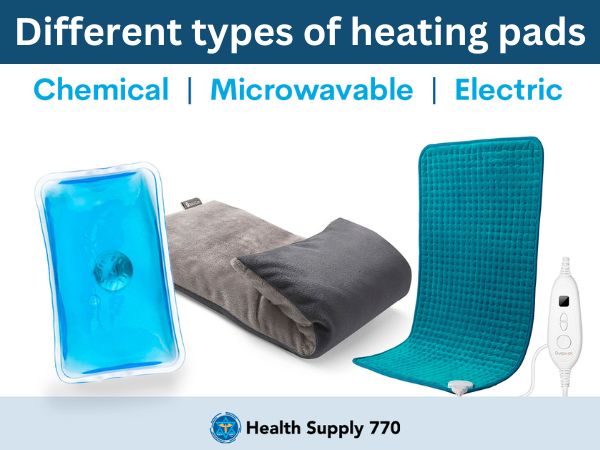
Not all heating pads work the same way. The best one for you depends on where you are, how long you need relief, and whether you can access an outlet or microwave.
Electric Heating Pads for Home Use
Electric pads plug into a wall outlet and deliver steady, adjustable heat for as long as you need it. Most models offer low, medium, and high temperature settings, and many include an auto-shutoff timer that kicks in after 60 to 90 minutes. Larger pads can cover your entire lower back and abdomen at once, making them ideal for full-area relief while you rest on the couch or work from home.
Pro Tip: Always place a thin towel between the pad and your skin, even on a low setting, to prevent irritation or burns.
Chemical Heat Wraps for On-the-Go Relief
If you’re at work, commuting, or running errands, disposable chemical heat wraps like ThermaCare are a discreet solution. These ultra-thin patches activate when exposed to air and deliver consistent, low-level heat for up to 8 hours. They stick to your underwear (never directly on skin) and stay hidden under clothing, so you can move through your day without anyone knowing you’re wearing one.
Warning: Chemical wraps are single-use only. Discard after 8 hours, even if some warmth remains.
Microwavable Pads and Hot Water Bottles
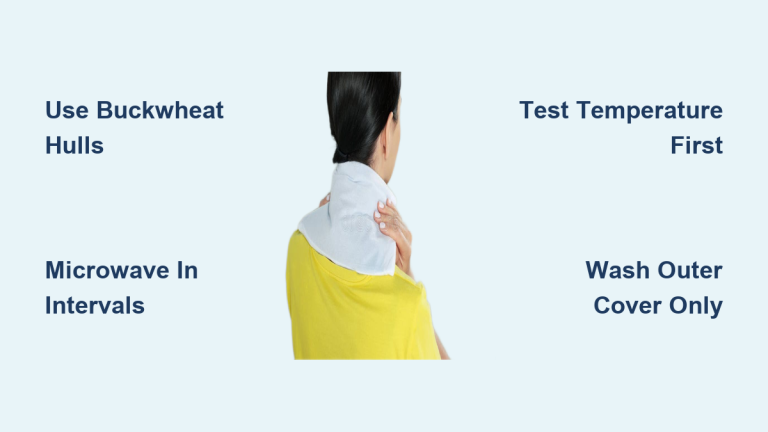
For a cordless, reusable option, microwavable packs and hot water bottles are affordable and eco-friendly. Microwavable pads are filled with grains, gel, or clay that hold heat after a quick 1–2 minute session in the microwave. Hot water bottles are filled with warm (not boiling) water and should always be wrapped in a towel before use. Both can be reheated indefinitely as they cool.
Visual Cue: If steam escapes from a microwavable pack or the surface feels too hot to touch, let it cool for a minute before applying.
Battery-Operated Portable Pads
These rechargeable pads give you adjustable heat without needing an outlet or microwave. They’re lightweight, cord-free, and typically last 2–4 hours per charge, making them perfect for travel, outdoor use, or long days away from home.
Warm Baths as an Alternative
When no pad is available, a hot bath offers whole-body heat therapy. The warm water relaxes abdominal and back muscles while boosting circulation. Adding Epsom salts or a few drops of lavender essential oil can enhance the relaxation effect. Soak for 20–30 minutes for maximum benefit.
Apply Heat Correctly and Safely

Where and how you place the pad matters just as much as which device you choose.
Target the Lower Abdomen or Lower Back
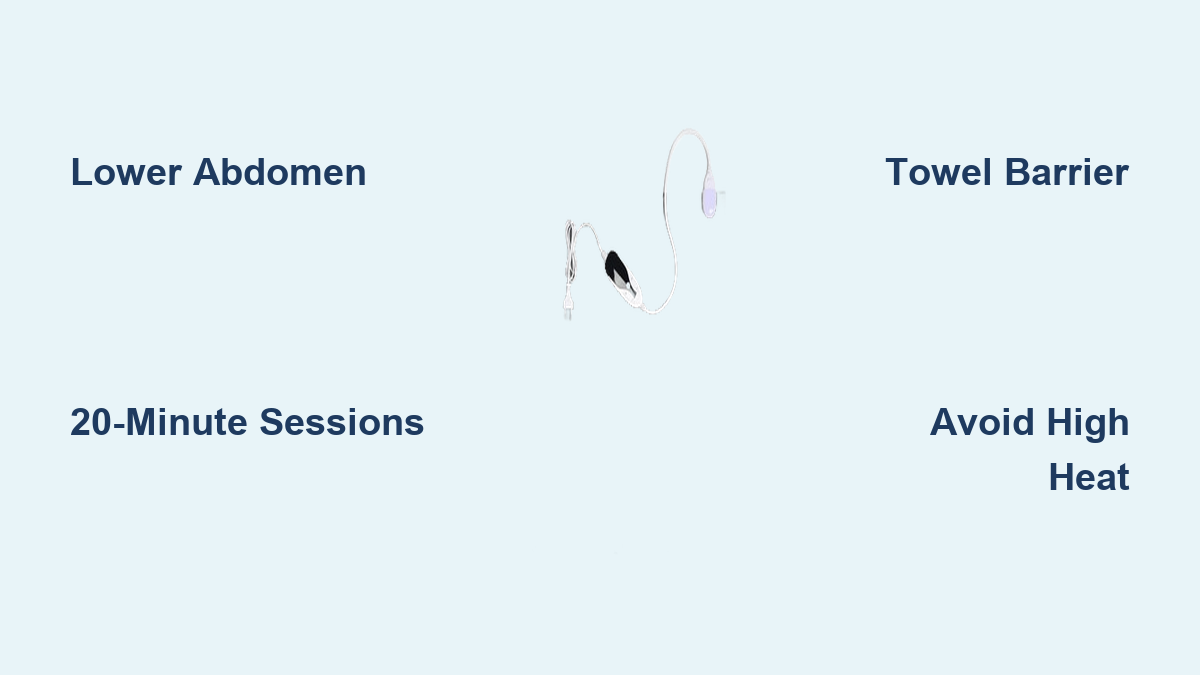
Place the heating pad on your lower abdomen (below the belly button) or your lower back, the two main zones where cramp pain originates. Lying on your back with the pad under your lower abdomen works well, as does sitting upright with the pad pressed against your back. For deeper back pain, try lying face down with the pad beneath you to increase pressure and heat penetration.
What to Look For: You should feel soothing warmth within 5–10 minutes, with muscle tension gradually easing.
Limit Sessions to 20 Minutes
For electric pads, microwavable packs, and hot water bottles, stick to 20-minute sessions. Longer exposure can cause skin redness, irritation, or a condition called erythema ab igne (mottled, net-like skin discoloration). After 20 minutes, remove the pad and wait at least 30 minutes before reapplying.
Exception: Chemical heat wraps are designed for extended wear (up to 8 hours) because they produce a lower, steady heat.
Never Sleep on a High-Heat Pad
Falling asleep with an electric heating pad is risky, especially if it lacks an auto-shutoff feature. Even with auto-shutoff, prolonged contact can cause burns or skin sensitivity. If you need overnight relief, consider a heated mattress pad designed for safe sleep or a warm blanket instead.
Red Flag: If your skin looks blotchy, reddened, or develops a mottled pattern after heat use, stop immediately and let the area cool.
Always Use a Protective Barrier
Place a thin towel or cloth layer between your skin and any heat source, including electric pads, hot water bottles, and microwavable packs. This buffer spreads heat evenly and prevents direct contact that could burn your skin. Chemical wraps have a built-in barrier: apply them only to underwear or clothing, never bare skin.
Maximize Relief by Combining Strategies

Heat therapy works even better when paired with other pain-management methods.
Combine Heat with NSAIDs
For severe cramps, pairing a heating pad with an over-the-counter NSAID like ibuprofen or naproxen can deliver powerful relief. NSAIDs reduce prostaglandin production (the chemical causing contractions), while heat relaxes the muscles and improves blood flow. This dual approach tackles both the cause and the symptom.
Timing Tip: Take the medication at the first sign of pain or early in your cycle, and apply heat throughout the day as needed.
Add Light Movement and Stretching
Rest feels intuitive during cramps, but gentle movement can actually help. Walking, stretching, or yoga boosts endorphins (your body’s natural painkillers) and improves pelvic circulation. Try a 10-minute walk followed by a heating pad session, or do a child’s pose or knees-to-chest stretch to open the pelvic area and help heat penetrate deeper.
Use Massage and Warm Drinks
Gently massaging your lower abdomen in slow circles with light pressure can further relax tense muscles. A warm oil like coconut or almond, with a drop of lavender essential oil, adds a soothing element. Pair this with a warm cup of chamomile, ginger, or peppermint tea, which can offer mild anti-inflammatory benefits while warming you from the inside.
Avoid Common Mistakes
Even a simple therapy like heat can backfire if used carelessly.
Don’t Use Damaged or Old Equipment
Inspect electric pads regularly for frayed cords, exposed wires, or discoloration. A compromised unit can overheat or become a fire hazard. Check hot water bottles for cracks, soft spots, or leaks before filling. Replace any device showing signs of wear.
Quick Checklist Before Each Use:
– Cord intact and undamaged
– No cracks or leaks in bottles
– Surface clean and dry
– Settings functioning properly
Avoid Cranking the Heat Too High
More heat doesn’t mean more relief. High settings can desensitize your skin and raise burn risk without improving pain reduction. Start on low or medium and increase only if needed. If the pad feels uncomfortably hot through a towel, turn it down.
Don’t Rely on Heat Alone for Severe or Unusual Pain
Heat is excellent for primary dysmenorrhea (common period pain), but sudden, worsening, or unusually severe cramps could signal secondary dysmenorrhea caused by conditions like endometriosis, fibroids, or pelvic inflammatory disease. Heat only treats the symptom, not the cause.
When to See a Doctor: Pain that doesn’t improve with heat or medication, starts mid-cycle, or comes with heavy bleeding, fever, or nausea.
Match Your Device to Your Lifestyle

The right heating pad fits seamlessly into your daily routine.
For Work or School: Wearable Heat Patches
Disposable chemical wraps are discreet, hands-free, and last a full shift or class day. No cords, no prep, no one notices you’re wearing one.
For Home Relaxation: Electric or Heated Massage Pads
If your evenings are spent unwinding at home, an electric pad with massage functions combines heat with vibration or kneading to target deep muscle tension. Use it while watching TV or reading for full-body relaxation.
For Budget and Eco-Conscious Users: Hot Water Bottles
A rubber or silicone hot water bottle costs little upfront and lasts for years. Fill it with warm water, wrap it in a towel, and apply. No electricity needed, which also makes it perfect for power outages.
For Travelers: Rechargeable Portable Pads
Battery-powered pads are compact, lightweight, and fit easily in a bag. Charge before departure and enjoy adjustable heat on planes, trains, or in hotel rooms.
Maintain Your Devices for Long-Term Use
Proper care keeps reusable pads safe and effective for years.
Clean and Store Electric Pads Properly
Wipe the surface with a damp cloth after use. Never submerge in water unless the unit is labeled waterproof. Coil the cord loosely and store in a dry place away from sharp objects or extreme temperatures.
Care for Microwavable Packs and Hot Water Bottles
Keep fabric covers clean by washing as directed. Never microwave a pack longer than the instructions allow; overheating can damage the filling or cause leaks. Empty hot water bottles completely after use and store with the cap off to prevent mold.
Replace Devices When Needed
Chemical patches are single-use; discard after 8 hours. Replace electric pads every few years or when performance declines. Hot water bottles should be replaced every 1–2 years or at the first sign of wear.
Frequently Asked Questions About Heating Pads for Menstrual Cramps
How long should I use a heating pad for menstrual cramps?
For electric pads, microwavable packs, and hot water bottles, limit each session to 20 minutes, then wait at least 30 minutes before reapplying. Chemical heat wraps are designed for up to 8 hours of continuous wear.
Where is the best place to put a heating pad for cramps?
Place the pad on your lower abdomen (below the belly button) or your lower back, the two primary areas where cramp pain originates. Both placements target the uterine muscles and surrounding tissue.
Can I sleep with a heating pad on?
Only if the pad has a verified auto-shutoff feature. Even then, prolonged contact can cause skin sensitivity or burns. For overnight relief, consider a heated mattress pad or warm blanket instead.
Are heating pads better than painkillers for period cramps?
Studies show that heat therapy can match or exceed the effectiveness of ibuprofen for immediate pain relief, especially for primary dysmenorrhea. Heat works faster (no digestion required) and has no side effects. For best results, many people combine heat with NSAIDs.
Is it safe to use a heating pad every day during my period?
Yes, as long as you follow safety guidelines: limit sessions to 20 minutes, use a towel barrier, avoid high heat settings, and never sleep on a pad without auto-shutoff. If you need daily relief throughout your cycle, consult a doctor to rule out underlying conditions.
When should I see a doctor about menstrual cramps?
See a healthcare provider if your cramps are severe enough to disrupt daily life, don’t improve with heat or medication, start mid-cycle, or come with heavy bleeding, fever, or nausea. These could be signs of secondary dysmenorrhea or other conditions that need medical treatment.
Key Takeaways for Using a Heating Pad for Menstrual Cramps
Heat therapy is one of the fastest, safest, and most accessible ways to relieve menstrual cramps. It works by relaxing uterine muscles, increasing blood flow, and delivering oxygen to oxygen-starved tissue, often within minutes. For best results, choose a device that fits your lifestyle (electric pads for home, chemical wraps for work, hot water bottles for budget-friendly reuse), apply it to your lower abdomen or back for 20 minutes at a time, and always use a towel barrier. Combining heat with NSAIDs, light movement, and hydration can boost relief even further.
If your cramps are severe, sudden, or don’t respond to at-home care, schedule a visit with your healthcare provider to rule out secondary causes. Otherwise, keep your heating pad ready, use it early at the first sign of pain, and reclaim comfort during your cycle.