How to Make a Lavender Pillow: Quick Steps
You’ve probably seen lavender pillows tucked under a bed pillow, resting on a yoga mat, or offered as a calming gift. Soft, fragrant, and surprisingly therapeutic, these little sachets combine aromatherapy, gentle pressure, and thermal therapy to soothe stress, aid sleep, and relieve tension. The best part? You can make one yourself in under an hour for a fraction of the retail price.
Whether you’re crafting a cozy eye pillow for meditation, a warmable neck wrap for sore muscles, or a sweet-smelling sachet for your linen closet, the process is simple and customizable. In this guide, you’ll learn how to choose the right materials, cut and sew your pillow, fill it safely, and use it for maximum relaxation.
Choose the Right Fabric for Your Lavender Pillow

Pick Natural, Microwave-Safe Materials
Your fabric choice directly impacts safety, comfort, and durability, especially if you plan to heat or cool your pillow. Always use 100% natural fibers like cotton, linen, or silk. These are breathable, skin-safe, and won’t melt or release toxins when warmed.
- Cotton: Soft, affordable, and ideal for eye and neck pillows. Use unstarched cotton for direct skin contact.
- Linen: Durable and naturally cooling, great for summer use.
- Silk or Satin: Luxurious feel, perfect for eye pillows if you want a gentle touch on delicate skin.
- Heavy Cotton Ticking or Canvas: Best for neck pillows filled with seeds, handles weight and repeated heating.
Avoid synthetics like polyester, nylon, or acrylic. They pose fire hazards in the microwave and can trap moisture, leading to mold.
Use Pre-Washed Fabric for Removable Covers
If you’re making a two-layer pillow with a removable cover, pre-wash and pre-shrink your fabric before cutting. This prevents the outer case from shrinking and becoming too tight after washing.
Repurpose Vintage or Scrap Fabric
Got old handkerchiefs, table linens, or fabric scraps? Now’s the time to use them. Vintage napkins or embroidered cottons add charm and reduce cost. Just ensure the fabric is clean, intact, and free of stains or weak spots.
Select Quality Lavender and Fillers
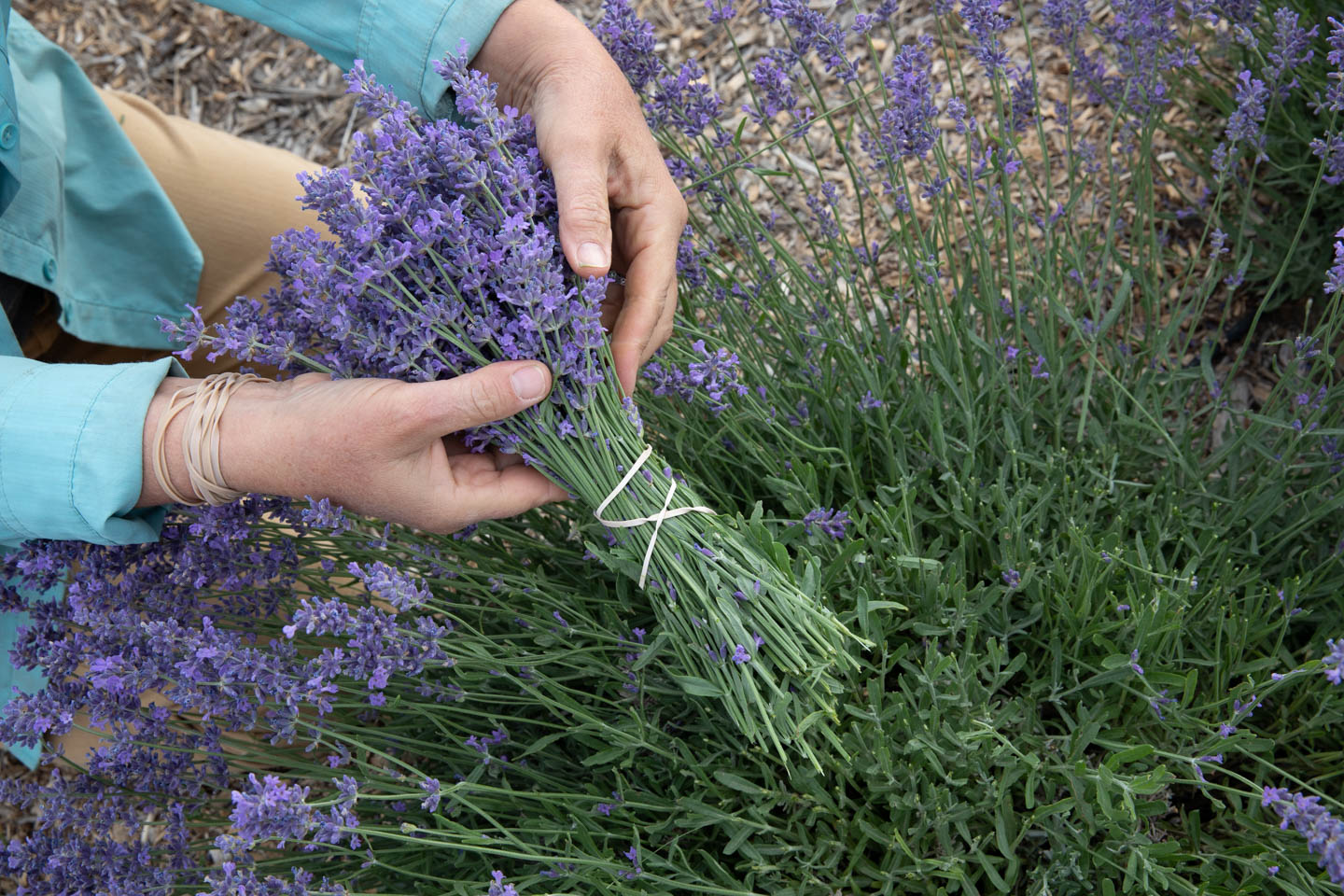
Use Lavandula Augustifolia for Best Scent
Not all lavender is equal. For a calming, therapeutic aroma, use true lavender (Lavandula Augustifolia), known for its high linalool content, a compound that reduces anxiety and promotes relaxation.
- Buy dried buds, not fresh. Fresh lavender must be fully dried to prevent mold.
- Source from reputable herbal suppliers like Mountain Rose Herbs or bulk vendors on Etsy.
- A 2-pound bag (around $40) makes 5–6 pillows, costing just $7–$8 per pillow versus $50 retail.
Add Weighted Fillers for Thermal Therapy
For eye or neck pillows, mix lavender with heat-retaining fillers:
- Flaxseed (whole): Best for heat retention due to natural oils. Holds warmth up to 20 minutes.
- Uncooked Rice or Pearl Barley: Affordable alternatives. Rice is denser; barley is less prone to cracking.
- Chamomile or Other Herbs: Blend with lavender for enhanced calming effects.
Never use ground flaxseed. It clumps and doesn’t heat evenly.
Boost Scent with Essential Oils (Optional)
If your dried lavender loses potency, add 4–6 drops of organic lavender essential oil to the buds before filling. Mix well and let sit 10 minutes. Avoid over-oiling, especially for heated pillows, since too much oil can scorch or become overpowering.
Cut Fabric to the Right Size
Eye Pillow Dimensions: 9.5″ x 5″
For a standard eye pillow, cut two fabric pieces to 10″ x 5″ (includes 1/2″ seam allowance). This size fits comfortably across most adult eyes and forehead.
- Custom fit between 8″–9″ wide for smaller faces.
- Use a cardboard template for consistent cutting.
Neck Pillow Size: 6″ x 18″
A neck warmer should drape comfortably around the shoulders. Cut fabric to 6.5″ x 18.5″ (1/2″ seam allowance).
- For a “U” shape, trace a curved template or use a folded fabric method.
- Use heavy-duty cotton or canvas to support seed weight.
Sachet or Decorative Pillow: 8″ x 8″
For drawer sachets or decorative cushions, cut two 8″ x 8″ squares (7″ finished size with 1/2″ seams).
- Or use a single 8″ x 16″ piece, folded in half.
- Add ribbon loops or embroidery for gifting.
Sew the Lavender Pillow (Three Easy Methods)
Machine Sew: Fast and Durable
- Cut and Pin: Place two fabric pieces right sides together. Pin edges.
- Stitch Three Sides: Use a 1/2″ seam allowance. Sew three sides, leaving one short end open.
- Short Stitch for Eye Pillows: Use 1.5–1.8 mm stitch length to prevent seed leakage.
- Clip Corners: Cut diagonally into each corner (don’t cut stitches) for sharp points.
- Turn and Press: Flip right side out. Use a chopstick to push out corners. Press flat with an iron.
No-Sew Option: Tube Sock Method
No sewing machine? No problem.
- Use a Clean Tube Sock: Long, stretchy socks work best.
- Fill: Add 1.5–2 cups flaxseed or rice plus 2 tbsp dried lavender plus 4–6 drops essential oil.
- Knot Tightly: Tie the open end in a double or triple knot. Trim excess.
This method is perfect for kids or quick gifts.
Two-Layer System: Washable Cover
Want a cleanable pillow? Make an inner liner and outer cover.
- Inner Liner: Sew a pouch from tightly woven cotton. Fill and sew shut permanently.
- Outer Case: Cut fabric 3″ longer than the liner. Hem one short end.
- Assemble: Place layers right sides together. Fold the extension back to match the rectangle. Sew three sides. Turn right side out.
- Insert Liner: Slide the filled inner into the case. Tuck the open end under the hemmed flap.
Now you can wash the cover without damaging the filling.
Fill the Pillow Correctly

Use a Funnel for Clean Filling
Roll a piece of copy paper into a cone or use a wide-mouth measuring cup. Insert into the opening to pour filling. This prevents spills and mess.
Follow Proven Filling Ratios
Eye Pillow (6–8 oz total):
– 1/2 cup flaxseed plus 1/2 cup dried lavender
– Or 3/4 cup flaxseed plus 1/4 cup herbs
Neck Pillow:
– Fill 2/3 to 3/4 full with flaxseed or rice
– Add 1/4 cup dried lavender
– Do not overfill; seeds need room to move for draping
Sachet:
– Pinch to 1/2 cup lavender only
– No seeds needed
Sock Pillow:
– 2 cups rice/flaxseed plus 2 tbsp lavender plus 4–6 drops oil
Distribute Evenly
After filling, gently shake and press the pillow to push filling into corners, especially important for eye pillows to ensure full coverage.
Close the Opening Securely
Fold and Stitch Shut
- Fold Raw Edges Inward: About 1/4 inch on both sides.
- Pin at an Angle: Prevents shifting during stitching.
- Sew Across: Use a short stitch. Backstitch 3–4 times for strength.
Use an Invisible Ladder Stitch (Hand Sew)
For a seamless look:
– Use matching thread.
– Sew through the folded edges with a ladder (invisible) stitch.
– Pull tight after each stitch to hide the seam.
Secure Thread Without Knots
To avoid bulky knots:
– Hold the top thread, lower the needle, lift, and yank gently to pull up the bobbin thread.
– Sew forward and back 3–4 times to lock.
Use and Care Instructions for Your Lavender Pillow

Heat Safely in the Microwave
Eye Pillow:
– Heat 10–20 seconds first.
– Test on inner arm.
– Add 5–10 seconds if needed.
– Never exceed 30 seconds total.
Neck Pillow:
– Heat 30 seconds, shake, then 30–60 seconds more.
– Always shake to distribute heat evenly.
Oven Method (Neck Only):
– Place in cold oven.
– Set to 200°F (93°C).
– Heat 5 minutes, shake, then 2–5 more minutes.
– Never leave unattended.
Cool for Migraine Relief
Place in the freezer for 30+ minutes. This works well for headaches, puffy eyes, or inflammation.
Apply for Maximum Relaxation
- Over eyes: Blocks light, calms nervous system.
- On neck/shoulders: Soothes tension.
- Under bed pillow: Releases scent all night.
- In drawers: Freshens linens naturally.
Troubleshoot Common Lavender Pillow Issues
Fix Leaking Seeds or Lavender
Cause: Long stitch length or loose fabric weave.
Solutions:
– Use 1.5–1.8 mm stitch length.
– Line with tightly woven cotton.
– Double-stitch seams if needed.
Prevent Overpowering or Weak Scent
Too Strong? Reduce lavender, especially for heated pillows. Mix with more flax or rice.
Too Weak? Use higher-quality Lavandula Augustifolia. Add 4–6 drops essential oil. Refresh by placing in sunlight for 1–2 hours.
Avoid Bulky Corners
Clip corners diagonally before turning. For curved edges, make small snips into the seam allowance (stop before stitches) to allow smooth shaping.
Stop Shrinking Covers
Always pre-wash and pre-shrink outer fabric before sewing. Otherwise, the cover will become too tight after laundering.
Customize for Gifting and Different Uses
Try Unique Shapes and Fabrics
- Eye Pillows: Contoured to fit the face.
- Neck Warmers: “U” shape or muff style.
- Hand Muffs: For cold hands or joint pain.
Mix and match fabrics, such as a floral front with a solid back, or use vintage linens for a nostalgic touch.
Add Personal Touches
- Tie with ribbon or raffia.
- Attach a handwritten tag: “Breathe Deeply” or “Sleep Well.”
- Include a care card with heating and cooling instructions.
Make for Different Needs
- For Migraines: Cool pillow plus light-blocking fabric.
- For Anxiety: Weighted flaxseed plus chamomile blend.
- For Kids: Let them help fill; supervise heating.
- For Yoga: Use during shavasana to deepen relaxation.
Save Money and Time with DIY
DIY vs. Retail: Huge Savings
Store-bought lavender pillows cost up to $50. DIY versions run under $10, an 80–85% savings.
- Lavender: $8 per pillow (from 2 lb bulk bag)
- Fabric: Free, if using scraps or upcycled textiles
- Time: 10–15 minutes for eye pillows; under 1 hour for neck wraps
Ideal for Gifts and Crafts
Perfect for:
– Mother’s Day
– Teacher Appreciation
– Holiday Stocking Stuffers
– Craft Fairs
Batch-make a dozen and gift them with personalized labels.
Frequently Asked Questions About Lavender Pillows
What type of lavender is best for pillows?
True lavender (Lavandula Augustifolia) is the best choice for pillows. It contains high levels of linalool, a compound that promotes relaxation and reduces anxiety. Always use dried buds rather than fresh lavender to prevent mold growth.
How long should I microwave a lavender eye pillow?
Start by heating your lavender eye pillow for 10–20 seconds. Test the temperature on your inner arm before applying it to your face. If needed, add 5–10 seconds at a time, but never exceed 30 seconds total to avoid burning your skin or damaging the fabric.
Can I wash a lavender pillow?
Do not wash a filled lavender pillow, as water ruins the filling (flaxseed, rice, or lavender buds). Instead, make a two-layer pillow with a removable outer cover that you can launder separately. Always pre-wash and pre-shrink the outer fabric before sewing to prevent fit issues.
How much does it cost to make a DIY lavender pillow?
A DIY lavender pillow costs roughly $7–$8 when you buy lavender in bulk (a 2 lb bag for about $40 makes 5–6 pillows). Fabric can be free if you use scraps or upcycled textiles. This represents an 80–85% savings compared to retail prices of $50 or more.
Why is my lavender pillow losing its scent?
Your lavender pillow may lose scent if you used low-quality lavender or if the buds have aged. Refresh the scent by placing the pillow in direct sunlight for 1–2 hours, or add 4–6 drops of organic lavender essential oil to the buds before refilling. Storing the pillow in a sealed container between uses also helps preserve the aroma.
Can I make a lavender pillow without sewing?
Yes, you can make a no-sew lavender pillow using a clean tube sock. Fill the sock with 1.5–2 cups of flaxseed or rice, 2 tablespoons of dried lavender, and 4–6 drops of essential oil. Tie the open end in a double or triple knot and trim the excess. This method works well for kids’ projects or quick gifts.
Key Takeaways for Making Your Own Lavender Pillow
Making a lavender pillow is more than just a craft. It’s a mindful act of self-care that takes under an hour and costs a fraction of retail prices. Choose 100% natural fabrics like cotton or linen for safety, use Lavandula Augustifolia buds for the best therapeutic scent, and follow proven filling ratios to get the right weight and aroma.
Whether you’re easing a headache, enhancing your meditation practice, or gifting comfort to someone special, your handmade lavender pillow delivers real, aromatic relief naturally and affordably. Gather your materials today and start sewing your path to better relaxation.