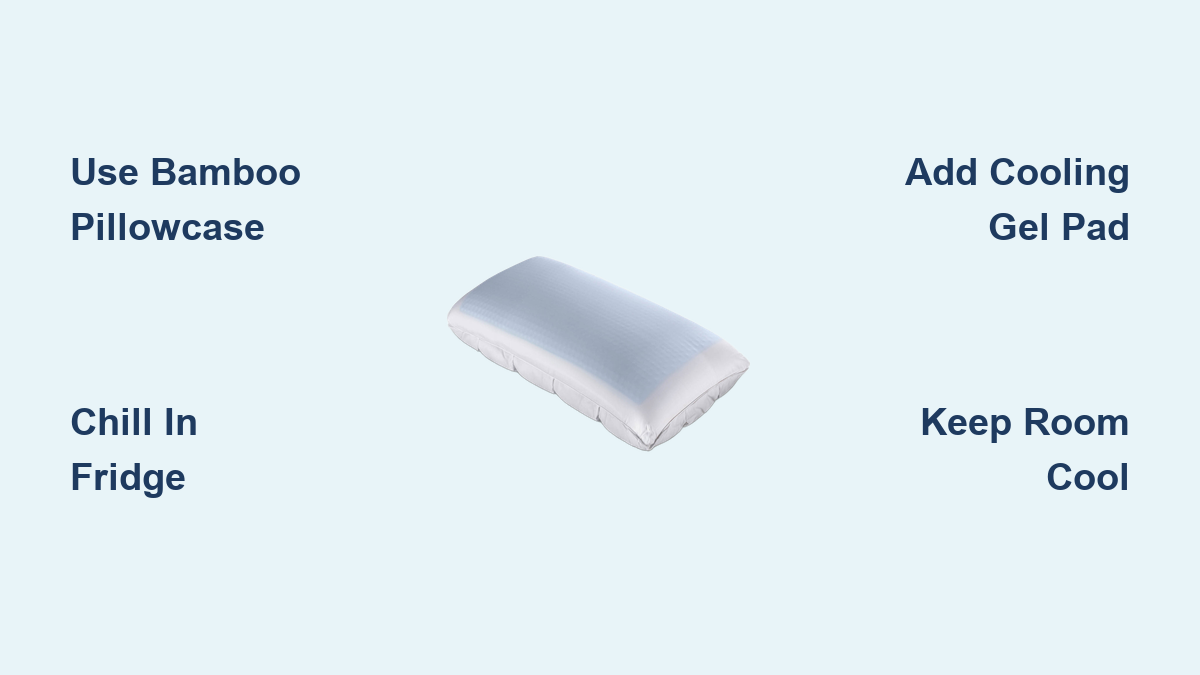
How to Make a Pillow Cold: Quick Tips
Nothing ruins sleep faster than a hot, sweaty pillow. When your head and neck overheat, your body struggles to regulate temperature, delaying sleep onset and increasing nighttime awakenings. The good news is you do not need expensive gear to make a pillow cold. With smart materials, simple habits, and a few clever tricks, you can create instant and lasting coolness exactly where it matters most.
Whether you are a hot sleeper, dealing with night sweats, or battling summer heat, this guide delivers proven methods. You will learn how to chill your pillow fast, keep it cold all night, and upgrade your sleep setup for long-term relief.
Use a Cooling Pillowcase
Switching your pillowcase is the easiest, most affordable way to make a pillow cold. Standard cotton or polyester cases trap heat, but cooling pillowcases are engineered to wick moisture and boost airflow directly at the skin surface.
Choose Breathable, Moisture-Wicking Fabrics
The right fabric makes all the difference when you want to make a pillow cold:
- Bamboo: Naturally soft, hypoallergenic, and highly breathable. Pulls moisture away from your skin and dries fast.
- TENCEL™ (Lyocell): Made from sustainable wood pulp, it absorbs moisture better than cotton and maintains a cool feel.
- Premium Cotton (Percale Weave): Lightweight and crisp, percale cotton increases air circulation and resists heat buildup.
- Coolmax® Microfiber: Synthetic blend with channels that move sweat away and speed up evaporation.
Pro Tip: Look for pillowcases labeled moisture-wicking or temperature-regulating. These often include performance technologies like Outlast® or 37.5®, which absorb excess heat and release it when your body cools.
Pick the Right Weave and Color
- Open-knit or mesh designs allow more airflow.
- Light-colored covers (white, gray, silver) reflect body heat better than dark tones.
- Dual-sided cases offer seasonal flexibility. One side cooling for summer, one warmer (fleece) for winter.
Bottom Line: A $25 bamboo or Coolmax pillowcase can deliver noticeable relief, especially when paired with other cooling strategies.
Chill Your Pillow in the Fridge or Freezer
Need instant coolness? Refrigerate or freeze your pillow before bed. This DIY method delivers a refreshing shock of cold that helps calm an overheated body.
Quick-Chill Method (15 to 30 Minutes)
- Place your pillow or pillowcase in a sealed plastic bag.
- Put it in the refrigerator for 15 to 30 minutes for mild cooling.
- For deeper chill, use the freezer for up to 30 minutes. Do not exceed this time to avoid moisture damage.
Why 30 Minutes Maximum? Prolonged freezing can damage memory foam structure, cause condensation when removed, and make the pillow uncomfortably stiff.
Best Pillow Types for Chilling
- Down alternative
- Cotton-filled
- Buckwheat hulls
- Hollowfibre
Avoid freezing solid memory foam or latex unless the manufacturer approves it.
User Hack: Keep two pillowcases. One chilling, one in use. Rotate them every few hours for extended coolness throughout the night.
Insert a Cooling Pad or Gel Layer
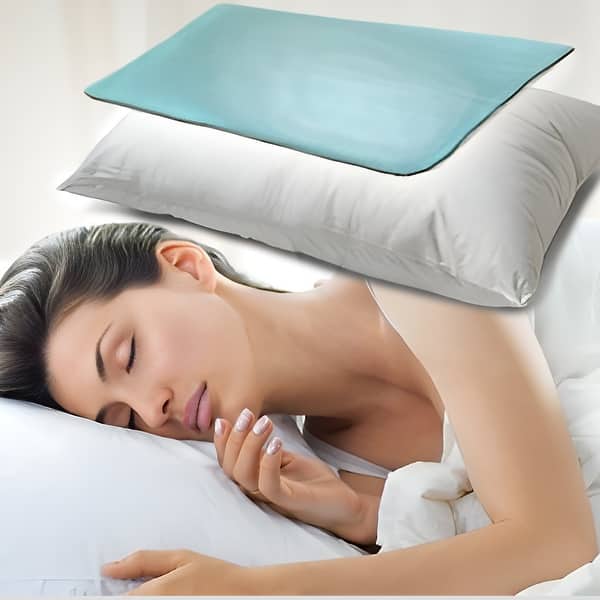
Want sustained cold without repeated refrigeration? Use a cooling pillow insert, a removable pad placed inside or under your pillow.
Types of Cooling Inserts
Gel-Infused Pads: Contain non-toxic gel that absorbs body heat. Stay cool for 2 to 4 hours. Often machine-washable and reusable.
Water-Based Cooling Pads: Use static or circulating water to maintain lower temperatures. Require pre-chilling but last longer than gel. Ideal for high-heat nights.
Phase-Change Material (PCM) Inserts: Absorb heat when you are warm, release it as you cool. Maintain a stable microclimate. Found in premium cooling systems like Sleep Number DualTemp.
Best For: Hot sleepers, menopausal women, or athletes with elevated body temperatures.
Pro Tip: Pre-chill the insert in the fridge before inserting. Combine with a bamboo pillowcase for double-duty cooling.
Buy a Purpose-Built Cooling Pillow
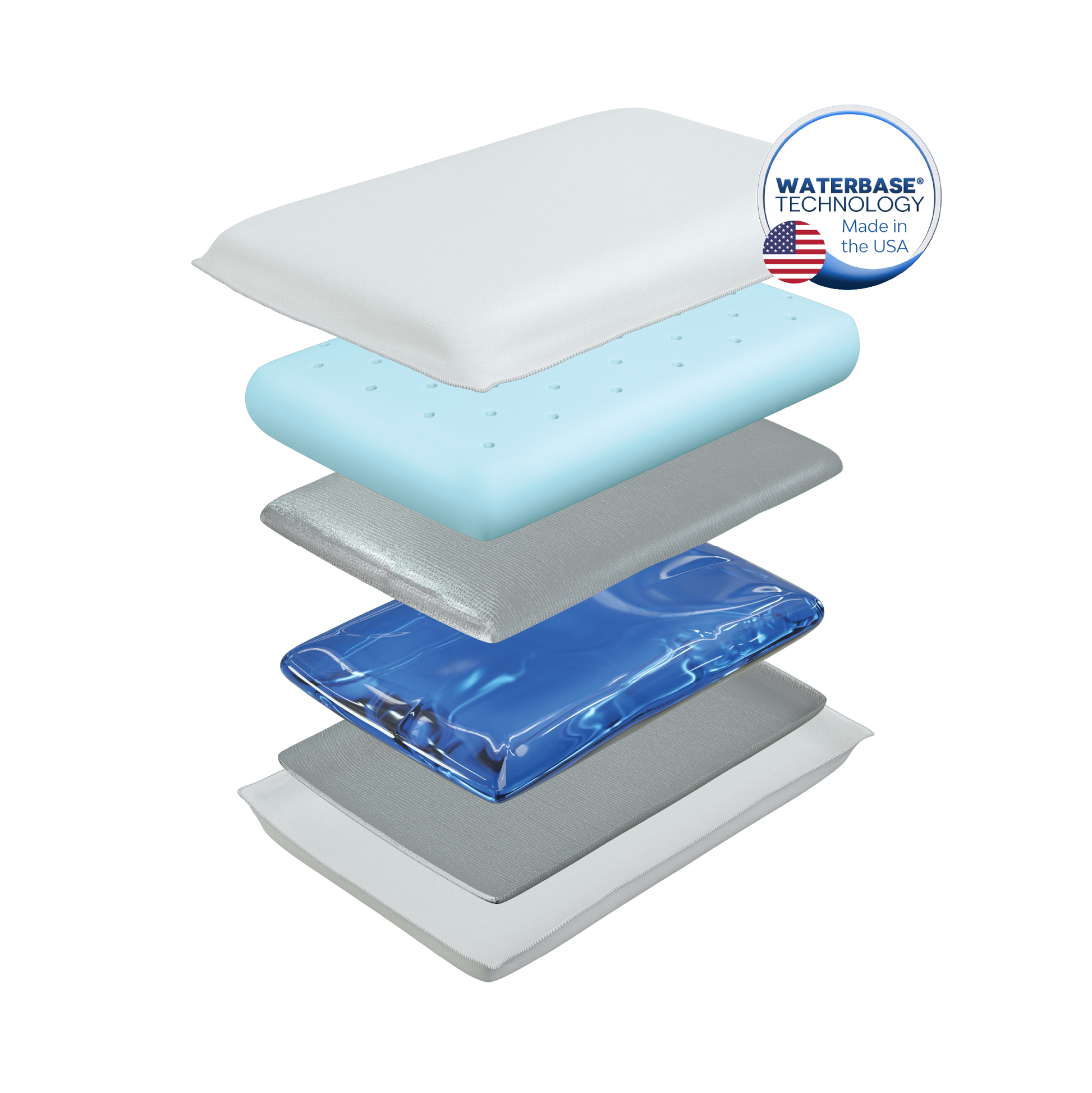
For long-term relief, invest in a cooling pillow designed to regulate temperature. These go beyond fabric. They are built with advanced materials and airflow structures.
Top Cooling Pillow Types
Gel-Infused Memory Foam: Combines contouring support with heat-dissipating gel beads. Reduces the hot pillow problem of standard memory foam. Cools surface by 2 to 5°F according to lab tests.
Latex Pillows (Natural or Talalay): Open-cell structure allows continuous airflow. Naturally resistant to dust mites and mold. Cooler than memory foam but firmer.
Buckwheat Hull Pillows: Loose fill creates natural convection currents. Heat escapes through gaps between hulls. Stays cool for 6 or more hours even in humidity.
Hybrid Cooling Pillows: Combine gel, airflow channels, and cooling covers. Examples include Purple Harmony (Hyper-Elastic Polymer grid) and Bearaby Cotton Napper (organic cotton, zero foam).
What to Look For
- Ventilated side panels (mesh or perforations)
- Contoured shape to reduce contact area
- Removable, washable cooling cover
Top Pick: Sleep Number DualTemp Pillow features dual cooling modes and a 5-year warranty on cooling performance.
Flip and Rotate for Instant Coolness
A simple habit that costs nothing is flipping and rotating your pillow. Your head heats one side within minutes. Flipping exposes a cooler, untouched surface, giving immediate relief.
Maximize the Effect
- Flip every 1 to 2 hours if you wake up hot.
- Use two pillows. Chill one while sleeping on the other.
- Pair with breathable materials like bamboo or TENCEL that do not retain heat.
Expert Tip: Set a bedtime routine. Flip your pillow right before lights out to start cool.
Optimize Your Sleep Environment
Even the best cooling pillow fails if your room is a sauna. To keep your pillow cold all night, control the environment.
Set Ideal Room Temperature
- 60 to 67°F (15.6 to 19.4°C) is optimal for sleep.
- Use a smart thermostat to auto-cool 1 to 2 hours before bedtime.
- Pre-cool the room to offset body heat buildup.
Boost Airflow
- Run a ceiling or portable fan aimed at your bed.
- Open windows for cross-ventilation if safe and pollen-free.
- Avoid placing bed near heat sources like TVs, chargers, or sunny windows.
Block Heat Gain
- Install blackout curtains to block sunlight.
- Close blinds during the day.
- Use lightweight, breathable bedding like cotton, linen, or bamboo.
Choose the Right Pillow Fill

What is inside your pillow determines how much heat it traps.
Best Cooling Fill Materials
| Material | Why It Stays Cool |
|---|---|
| Gel-Infused Memory Foam | Gel beads absorb and disperse heat; cooler surface touch |
| Latex (Talalay or Natural) | Open-cell structure equals better airflow |
| Buckwheat Hulls | Granular fill allows constant air movement |
| Cooling-Enhanced Down Alternatives | Hollow fibers or gel particles improve breathability |
Avoid These Heat Traps
- Traditional memory foam (dense, insulating)
- Polyester fiberfill (traps heat and moisture)
- Solid foam blocks without ventilation
Lab Insight: Standard memory foam stays only 0.5°F cooler than body temp, barely noticeable. Gel-infused versions drop 3.2°F, making a real difference.
Use Moisture-Wicking Bedding
Your pillow does not work alone. Pair it with cooling sheets and blankets to prevent heat buildup.
Upgrade Your Bedding System
- Sheets: Choose percale cotton, sateen, or jersey knit from natural or performance fibers.
- Blankets: Skip heavy wool. Opt for lightweight cotton, linen, or bamboo throws.
- Mattress: Pair with innerspring, hybrid, or latex models that promote airflow.
Avoid thick duvets, non-breathable vinyl or plastic mattress protectors, and overlayering. Stick to one layer above the sheet.
Prevent Heat Buildup at Night
Small habits make a big difference in keeping your pillow cold.
Eliminate Heat Traps
- Keep electronics away. Phones, laptops, and chargers emit heat.
- Wear breathable sleepwear made from cotton or moisture-wicking fabrics.
- Avoid eating heavy meals before bed. Digestion raises core temperature.
Cool Yourself, Not Just the Pillow
- Take a cool shower 1 to 2 hours before bed.
- Use a chilled face towel or cooling eye mask.
- Hydrate with water. Avoid alcohol or caffeine before sleep.
Maintain Cooling Performance Long-Term
Cooling tech degrades without care. Keep your system working.
Cleaning and Care Tips
- Wash pillowcases weekly in cold water to remove oils and sweat.
- Air out pillows daily. Remove covers and place in indirect sunlight.
- Spot-clean gel or latex pillows. Most are not machine-washable.
- Replace PCM-treated fabrics after approximately 50 washes. Cooling effect fades over time.
Watch for Wear and Tear
- Gel may settle after 2 to 3 years. Shake or replace.
- Buckwheat and latex last 3 to 5 years with proper care.
- Check warranties. Purple offers 1 year, Sleep Number offers 5 years on DualTemp.
Who Benefits Most from Cold Pillows
Certain groups see dramatic improvements with cold pillows:
- Menopausal women: Reduce night sweats with moisture-wicking cases and PCM inserts.
- Athletes: Cool down faster post-workout with pre-chilled pillows.
- Hot sleepers: Combine cooling pillow, breathable sheets, and fan for full relief.
- Sick children: A briefly refrigerated pillow (15 minutes) can soothe fever discomfort. Never freeze or over-chill.
Cost vs. Value: What Is Worth It
| Product | Price Range | Best For |
|---|---|---|
| Cooling Pillowcases | $20 to $60 | Budget-friendly, immediate upgrade |
| Cooling Inserts | $30 to $80 | Reusable, portable relief |
| Cooling Pillows | $80 to $200 | Long-term investment, full support |
Best Value Options: Amazon offers bundles under $100. Target and Walmart sell bamboo cases under $30. Brand direct sites (Purple, Sleep Number) offer 100-night trials with free returns.
Frequently Asked Questions About Making a Pillow Cold
How long can I keep my pillow in the freezer?
Keep your pillow in the freezer for no more than 30 minutes. Longer exposure can damage foam structure and cause excess moisture upon removal. Use a sealed plastic bag to prevent condensation.
What is the best fabric for a cooling pillowcase?
Bamboo, TENCEL, and Coolmax fabrics rank highest for cooling. Bamboo offers natural hypoallergenic properties with excellent moisture wicking. TENCEL absorbs moisture better than cotton. Coolmax features engineered channels that move sweat away rapidly.
Can I freeze a memory foam pillow?
Freezing traditional memory foam is not recommended. The foam can become too firm, crack, or lose its shape. Gel-infused memory foam handles cooling better, but even these should be refrigerated rather than frozen.
How do I keep my pillow cold all night long?
Combine multiple strategies. Use a cooling pillow (gel, latex, or buckwheat), pair with a breathable moisture-wicking pillowcase, maintain room temperature between 60 and 67°F, and flip the pillow regularly. A cooling pad insert adds sustained cold.
Do cooling pillowcases actually work?
Yes, cooling pillowcases work. Materials like bamboo, TENCEL, and PCM-treated fabrics actively wick moisture and regulate temperature. User ratings show 4.6 out of 5 stars for PCM-integrated cases maintaining coolness past midnight.
How often should I replace my cooling pillow?
Gel-infused pillows typically last 2 to 3 years before gel settling reduces cooling efficiency. Buckwheat and latex pillows last 3 to 5 years. Check manufacturer warranties. Purple offers 1 year, Sleep Number offers 5 years on cooling function.
Key Takeaways for Making Your Pillow Cold

Making a pillow cold is not about one trick. It is about stacking strategies for the best results.
The most effective approach combines four elements. First, use a cooling pillow made from gel-infused memory foam, latex, or buckwheat hulls. Second, pair it with a breathable moisture-wicking pillowcase like bamboo, TENCEL, or Coolmax. Third, practice smart habits including flipping, rotating, and pre-chilling when needed. Fourth, maintain a cool bedroom between 60 and 67°F with good airflow.
Start with one change, like switching your pillowcase, and build from there. Your coolest sleep is closer than you think. Even simple methods like refrigerating your pillowcase for 15 minutes before bed can deliver immediate relief on hot nights.