Is Using a Heating Pad Every Night Safe?
Using a heating pad every night can feel like the easiest way to ease chronic aches, unwind tense muscles, and drift off to sleep. But there’s a critical difference between using heat therapy before bed and leaving an electric pad running while you sleep. Sleeping with an active electric heating pad is unsafe, even if it has a timer. The risks include burns, fire, and disrupted sleep cycles that can leave you feeling worse the next day.
The good news is you don’t have to give up nightly heat therapy to stay safe. By adjusting when and how you apply heat, you can enjoy all the benefits without the dangers. This guide covers the real risks of overnight electric pad use, safer alternatives that work just as well, and a simple routine you can follow every night.
Benefits of Nightly Heat Therapy

When used correctly, heat therapy before bed offers real, measurable benefits for your body and your sleep quality.
Relieves Muscle Tension and Stiffness
Heat increases blood flow to sore muscles and stiff joints, helping tissue loosen and discomfort fade. This works especially well for lower back pain, neck tightness, or shoulder knots built up over a long day. The warmth tells your muscles to relax, reducing spasms and creating a calm physical state that makes it easier to fall asleep.
Improves Circulation and Flexibility
Better circulation means more oxygen reaches the affected areas, which speeds recovery and reduces inflammation. For people with arthritis or chronic joint stiffness, a brief heat session before bed can make morning movement noticeably easier. This improved flexibility also helps prevent the nighttime cramps that often wake you up.
Promotes Natural Relaxation
Heat activates your parasympathetic nervous system, the part responsible for “rest and digest” functions. This makes it a powerful, drug-free way to wind down. It mimics the soothing effect of a warm bath and pairs well with deep breathing or gentle stretching.
Pro Tip: Treat your heat session as a nightly wind-down ritual. Dim the lights, put away screens, and let your body recognize it’s time to sleep.
Why Sleeping with an Electric Heating Pad Is Dangerous
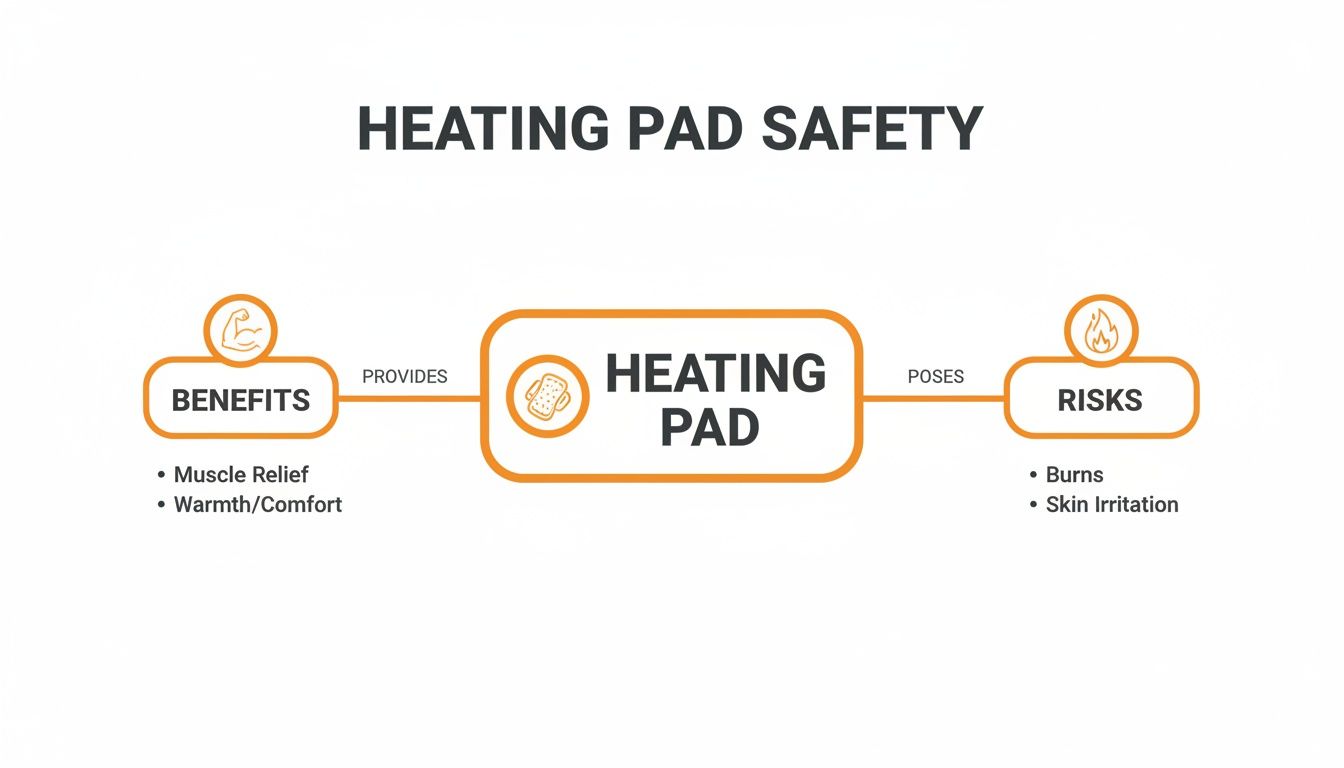
Even with modern safety features, electric heating pads are designed for short, supervised use. Leaving one on overnight introduces serious risks that far outweigh the comfort.
Burns and Skin Damage
Electric pads maintain a steady temperature that can cause thermal injury over time. While awake, you’d feel the heat building and shift the pad. During sleep, that feedback loop disappears. Your skin can overheat without you noticing, leading to burns ranging from mild redness to deep tissue damage. This is especially dangerous for older adults, people with diabetes, and anyone with nerve damage who may not feel heat at all.
Fire and Electrical Hazards
Any electrical device left running overnight carries fire risk. Heating pads can overheat when covered by blankets, folded under body weight, or used with frayed cords. Automatic shut-off timers can malfunction, and even newer models aren’t completely fail-proof. Safety agencies consistently list heating pads among the top causes of bedroom fires linked to personal heating devices.
Warning: Never lie on top of a heating pad. Your body weight traps heat and can damage internal wiring, creating a serious fire hazard.
Disrupted Sleep and Overheating
Heat helps you fall asleep but can prevent you from staying asleep. Prolonged exposure causes sweating, elevated core temperature, dehydration, and frequent awakenings. Your body needs to cool down to reach deep, restorative sleep stages. Constant heat works against that natural process, leaving you tired even after a full night in bed.
Electric vs. Non-Electric Heating Pads
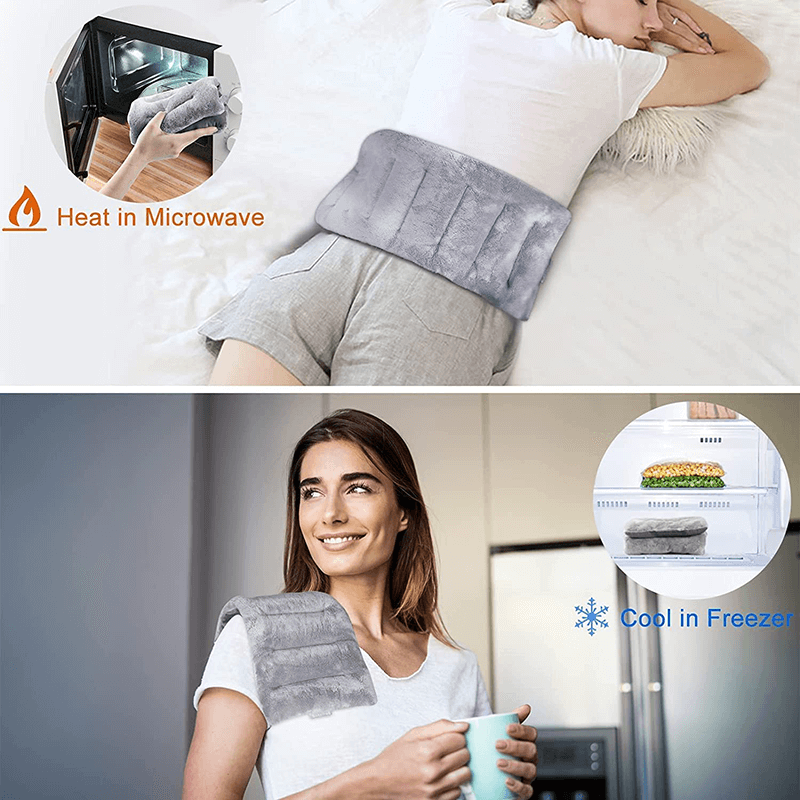
The type of heating pad you choose makes a major difference in overnight safety.
Why Electric Pads Are Unsafe Overnight
Electric heating pads rely on continuous power to maintain heat. They don’t cool down on their own, depend on mechanical timers that can fail, and keep an active electrical current near your bedding. Even on low settings, several hours of contact can cause burns, especially if the pad shifts or gets compressed while you sleep.
Microwavable Pads: A Safer Nightly Choice
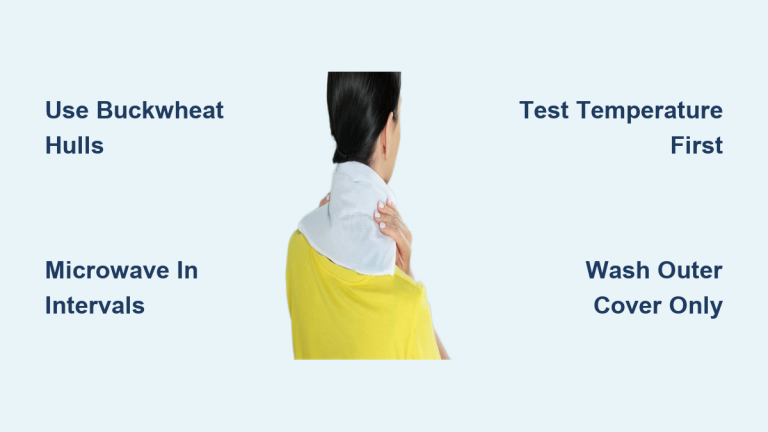
Non-electric, microwavable heating pads (such as the Nature Creation Microwavable Heating Pad) are a much safer option for bedtime. Filled with grains, herbs, or rice, they heat up quickly in the microwave and release warmth gradually over 30 to 60 minutes. Once they cool, the burn risk disappears. No cords, no outlets, no fire hazard.
Expert Note: Place a microwavable pad on your lower back, neck, or feet before bed. Remove it once it cools if you’re sensitive to any residual warmth.
Safe Usage Guidelines for Nightly Heat Therapy
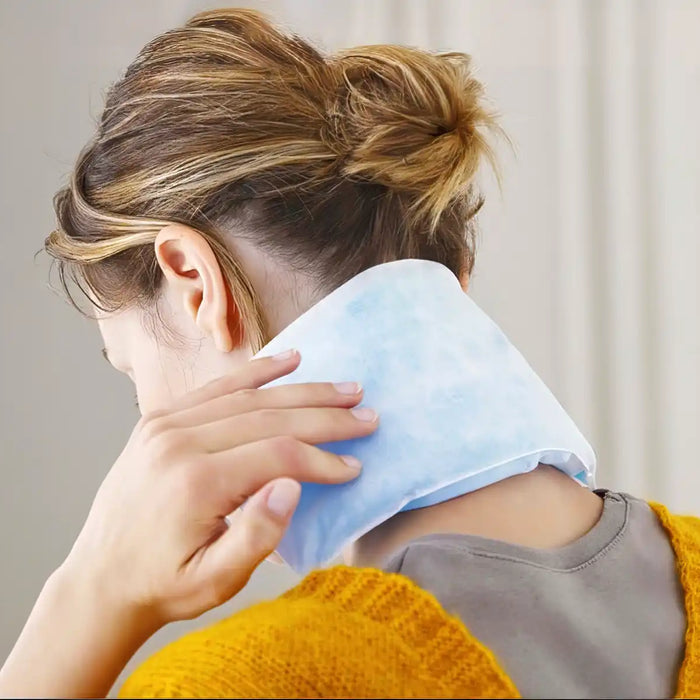
You can use heat every night without danger by following a few simple rules.
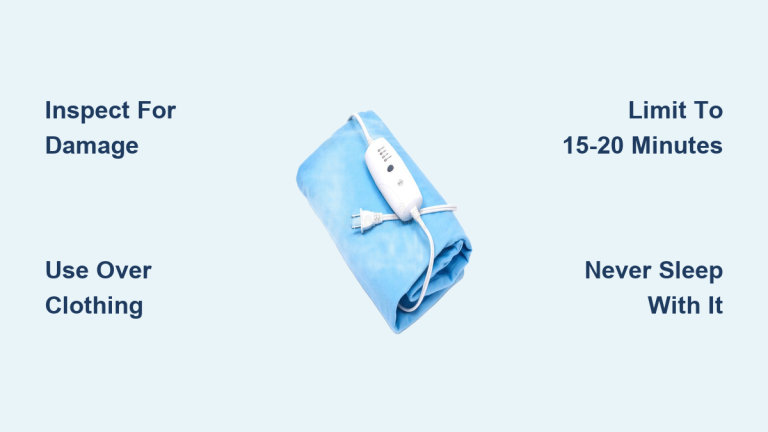
Limit Sessions to 10–30 Minutes Before Bed
The safest approach is pre-sleep application only:
- Apply the heating pad while you’re awake and alert
- Use it for 10 to 30 minutes on low or medium heat
- Remove the pad before getting into bed
- Unplug electric models immediately after use
This gives your muscles time to relax without overnight exposure.
Always Use a Protective Barrier
Never place a heating pad directly on bare skin. Always wrap it in a towel or place it over a sheet. Direct contact can cause erythema ab igne, a mottled skin condition caused by repeated heat exposure over time. Even low heat causes damage without a barrier.
Choose Devices with Auto-Shutoff
If you use an electric pad, pick one with a reliable automatic shut-off set to one or two hours. Treat this as a backup, not permission to fall asleep with it on. Always plan to turn it off manually.
Safer Alternatives for All-Night Warmth

If you want warmth throughout the night, purpose-built options deliver comfort without the risks of a heating pad.
Heated Blankets Designed for Sleep
Unlike heating pads, heated blankets are made for overnight use. Look for models with automatic shut-off (8 to 10 hours), dual controls for couples, machine-washable covers, and overheat protection. They spread heat evenly, reducing hot spots and fire risk.
Thermal Bedding and Sleepwear
Passive warmth is often the safest and most comfortable option:
- Flannel or fleece sheets
- Down or down-alternative comforters
- Thermal pajamas or heated socks
These help your body retain heat naturally without any electricity.
Warm Bath or Shower Before Bed
A warm bath or shower one to two hours before sleep raises your core temperature temporarily, then lets it drop. That natural temperature drop signals your body that it’s time to sleep. Adding Epsom salts can further relax muscles and reduce inflammation.
Special Considerations for High-Risk Users
Some people need to be especially careful with any form of heat therapy.
Diabetics and Neuropathy Patients
Reduced sensation in hands and feet means burns can develop without you noticing. Never use an electric pad on high settings or while asleep. Stick to pre-sleep microwavable pads, short supervised electric sessions, or warm socks instead of direct heat on limbs.
Older Adults
Thinner skin and slower healing increase burn risk. Combine that with medications that cause drowsiness, and overnight heat becomes especially dangerous. Limit use to 15-minute pre-bed sessions and rely on layered bedding instead.
Cardiovascular Conditions
Prolonged heat dilates blood vessels, which can cause swelling or low blood pressure in sensitive individuals. If you have heart issues, avoid long heat sessions, watch for dizziness or swelling, and talk to your doctor before nightly use.
How to Choose a Safe Heating Product

Use this checklist whenever you shop for a heating device.
Must-Have Safety Features
- Automatic shut-off (essential for electric devices)
- Overheat protection
- UL or ETL safety certification
- Durable, non-fraying cord
Ideal Materials and Design
- Electric pads: soft, heat-resistant fabric with even heat distribution
- Microwavable pads: natural fill like flaxseed or lavender, no synthetic beads
- Heated blankets: dual controls, washable cover, low EMF design
Red Flags to Avoid
- No timer or shut-off feature
- Frayed wires or cracked fabric
- Unknown brands with no safety ratings
- Instructions that allow “overnight use” without warnings
Frequently Asked Questions About Using a Heating Pad Every Night
Can I sleep with a heating pad on low all night?
No. Even on low, an electric heating pad can cause burns or overheat during sleep. Your body loses its ability to detect dangerous heat levels while unconscious. Use the pad for 10 to 30 minutes before bed, then remove it.
Are microwavable heating pads safe to sleep with?
Yes. Microwavable pads cool down naturally over 30 to 60 minutes and don’t require electricity. They pose no fire risk and minimal burn risk once they lose heat. Many people place them in bed and remove them after they cool.
How long should I use a heating pad before bed?
Limit use to 10 to 30 minutes on low or medium heat. Apply it while awake, then remove it before falling asleep. This gives you the benefits without overnight exposure.
Can heating pads cause fires?
Yes. Heating pads are among the top causes of bedroom fires from personal heating devices. Risks increase when pads are covered, folded, or used with damaged cords. Never leave one running unattended.
Who should avoid using heating pads at night?
Older adults, people with diabetes or neuropathy, and individuals with cardiovascular conditions should avoid overnight electric pad use entirely. These groups face higher risks of burns, poor circulation, and delayed injury detection.
What can I use instead of a heating pad at night?
Safer alternatives include heated blankets with auto-shutoff, microwavable pads, thermal bedding, warm pajamas, and a warm bath before bed. These provide warmth without the risks of an active electric pad.
Key Takeaways for Safe Nightly Heat Therapy
Using a heating pad every night is safe when you follow the right protocol. Apply heat for 10 to 30 minutes before bed while you’re awake, use a protective barrier, and remove the pad before sleeping. For ongoing warmth through the night, switch to microwavable pads, heated blankets with auto-shutoff, or thermal bedding. Never sleep with an active electric heating pad, regardless of timer settings.
Start tonight by setting a 20-minute timer for your heat session, then unplugging the pad and switching to a warm comforter. Your muscles will relax, your sleep will improve, and you’ll wake up safe and pain-free.