
How to Use Self-Adhesive Heat Pads
You’re sore after a long day, dealing with stiff muscles or a nagging backache, and you want relief without pills or strong scents. Self adhesive heat pads offer a discreet, convenient solution. These single-use patches generate soothing warmth through a natural chemical reaction, helping ease muscle tension, joint pain, and minor injuries like sprains. Designed to stick securely to clothing, they deliver up to 8 hours of continuous heat therapy, perfect for staying active while managing discomfort.
But using them safely is just as important as using them effectively. Misuse can lead to burns, even if the pad doesn’t feel scalding hot. The key rule? Never apply directly to skin. These pads are meant to activate through fabric, not contact your body. In this guide, you’ll learn exactly how to apply, monitor, and dispose of self adhesive heat pads correctly, plus critical safety tips, storage advice, and what to do in emergencies. Whether you’re new to heat therapy or optimizing your routine, this step-by-step walkthrough ensures you get the most from every pad, safely.
Apply Self Adhesive Heat Pads to Clothing Only

Why Direct Skin Contact Causes Burns
Self adhesive heat pads must never touch bare skin. The adhesive is designed to bond with fabric, not your body, and direct application can cause thermal burns even on sensitive areas like the lower back or shoulders. The heat builds gradually, so discomfort may not be immediate, but prolonged skin contact can lead to redness, irritation, or serious injury.
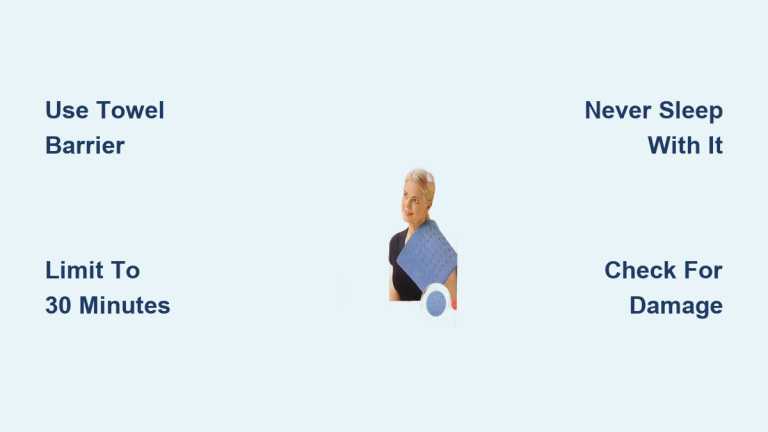
Instead, place the pad on an inner layer of clothing such as underwear, a T-shirt, or a thermal base. This creates a protective barrier while still allowing heat to penetrate to sore muscles. If wearing thick outerwear, ensure the pad is positioned close enough to your body for effective warmth transfer.
Best Placement Spots for Common Aches
Target the pad based on your discomfort:
– Lower back pain: Attach to the back of underwear or a fitted shirt at waist level
– Shoulder stiffness: Place under a sleeveless top or tank, centered on the affected side
– Knee or joint pain: Stick to leggings or compression wear near the joint
– Neck and upper back: Use on a thin undershirt, avoiding collar areas that rub
Ensure the pad lies flat without folding or creasing. A wrinkled pad may generate uneven heat or detach prematurely.
Activate the Pad and Monitor Heat Levels

How the Heating Process Starts
Activation is automatic and requires no external power. Once you remove the pad from its sealed packaging, air exposure triggers an exothermic reaction in the iron-based core. Within minutes, the pad begins to warm.
To activate:
1. Open the outer package and remove one pad
2. Peel off any protective liner if present
3. Immediately apply adhesive-side down to clothing
4. Do not delay, as premature exposure to air reduces effective heating time
Heat typically reaches therapeutic levels (around 40–50°C) within 5–10 minutes and sustains for up to 8 hours.
Check Temperature Frequently During Wear
Even though the heat feels mild at first, it can intensify over time. Check the pad every 30–60 minutes, especially during the first few uses. Gently feel the fabric over the pad. If it feels uncomfortably hot, remove it immediately.
Also inspect the skin underneath after removal. Redness, tingling, or discomfort means you should discontinue use. People with reduced skin sensitivity (such as those with diabetes or neuropathy) should avoid these pads unless advised by a doctor.
Follow Critical Safety Rules for Heat Pads
Recognize Low-Temperature Burn Risks
Burns from self adhesive heat pads are preventable but common with misuse. Because the heat is low-grade and builds slowly, tissue damage can occur without sharp pain, a condition known as “low-temperature burn.” Symptoms may not appear until hours later.
To reduce risk:
– Never sleep with an active pad
– Do not use for the full 8 hours continuously
– Avoid combining with heating blankets, hot water bottles, or electric heaters
If the pad feels too warm at any point, remove it and allow the skin to cool. Do not reapply the same pad.
Handle Accidents and Exposure Correctly
Accidents can happen. Know how to respond:
– If swallowed: Do not induce vomiting. Rinse mouth with water and seek immediate medical help, as the iron content can be toxic
– If in eyes: Flush eyes thoroughly with clean water for at least 15 minutes and consult a healthcare professional
– If skin reaction occurs: Stop use, clean the area gently, and monitor for worsening symptoms. See a doctor if irritation persists
Keep pads out of reach of children and pets. The packaging may resemble candy or toys, posing ingestion risks.
Understand How Self Adhesive Heat Pads Work
The Chemistry Behind the Warmth
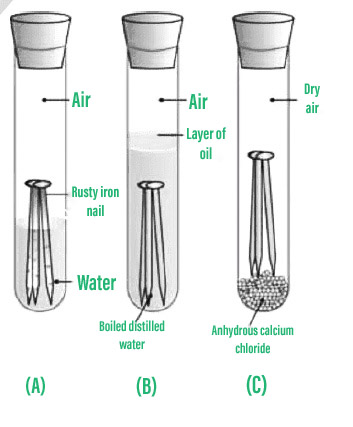
These pads work through iron oxidation, a safe, natural process. When air enters the package, it reacts with iron powder, salt, water, activated carbon, and vermiculite. This mixture slowly rusts, producing consistent, odorless heat without flames or electricity.
Key ingredients include:
– Iron powder: Heat source via oxidation
– Sodium chloride (salt): Speeds up the reaction
– Activated carbon: Distributes heat evenly
– Water: Facilitates the chemical process
– Vermiculite: Insulates and retains warmth
The result is a fragrance-free, non-medicinal therapy ideal for sensitive users or those avoiding drugs.
Maximize the Effectiveness of Each Pad
For best results:
– Apply the pad before pain peaks. Use proactively during cold weather or after physical activity
– Wear snug-fitting clothes to hold the pad in place and improve heat conduction
– Use during light activity such as walking or stretching to enhance blood flow and relief
Avoid placing under tight waistbands or belts that compress the pad and create hot spots.
Store and Dispose of Heat Pads Properly
Prevent Premature Activation During Storage
Always keep pads in their original sealed packaging until ready to use. Exposure to air, even brief, can start the heating process early, shortening effective duration.
Store in a cool, dry place away from direct sunlight or humid environments like bathrooms. High heat or moisture may degrade the packaging or trigger unintended activation.
Do not store loose pads in pockets, bags, or drawers. Keep them upright in their box to avoid pressure damage.
Dispose After a Single Use Only
Each pad is single-use only. Once cooled, it cannot be reactivated. Discard after one application.
Dispose of used pads in regular household waste. While the contents (iron, carbon, salt) are non-toxic in small amounts, they are not recyclable in standard curbside programs. Follow local guidelines for disposal of small chemical products.
Do not cut open used pads, as the residual iron powder can stain or irritate.
Know When to Avoid Self Adhesive Heat Pads
Identify Medical Contraindications
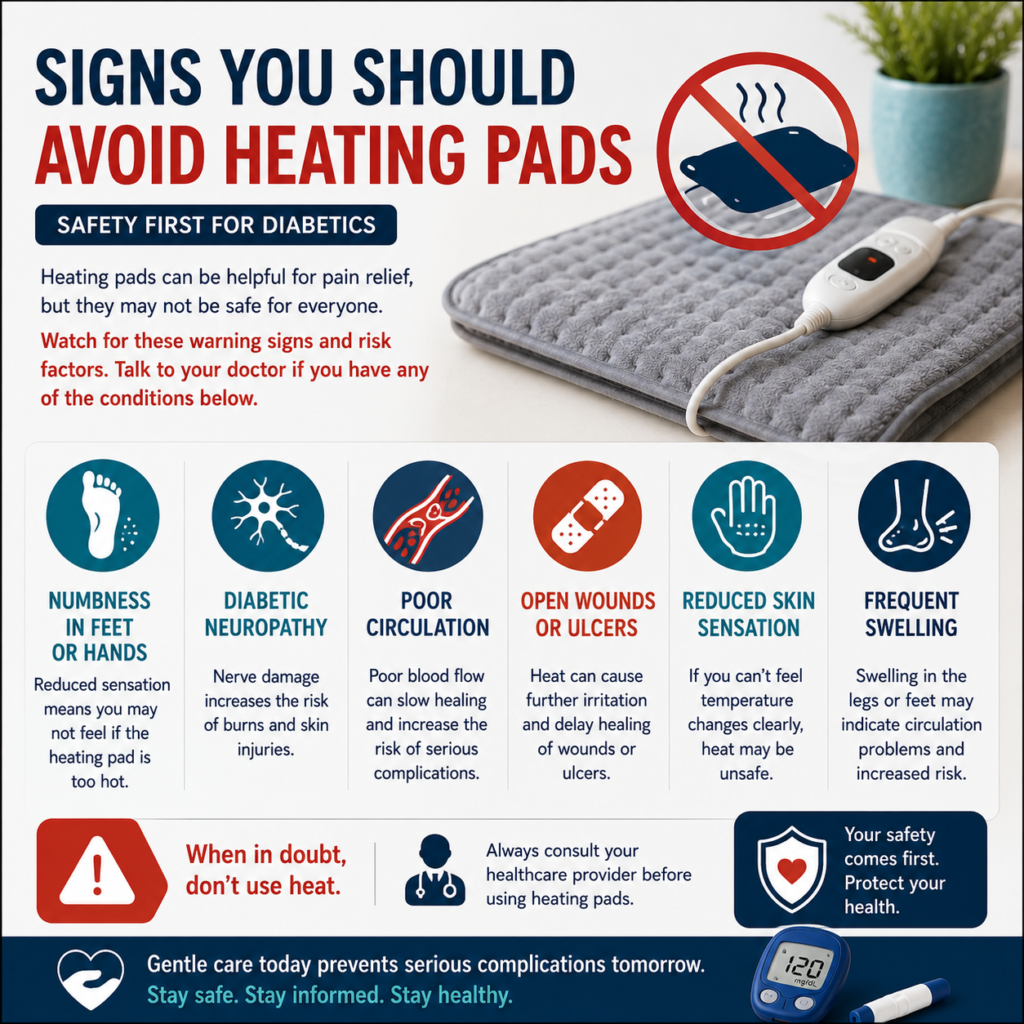
While generally safe, self adhesive heat pads are not for everyone. Avoid use if:
– You have reduced skin sensation (such as from diabetes or nerve damage)
– You have open wounds, rashes, or broken skin near the area
– You suffer from poor circulation or vascular disease
– You are unconscious or unable to communicate discomfort
Heat increases blood flow, which can worsen inflammation in acute injuries like fresh sprains with swelling. In such cases, cold therapy is often recommended initially.
Consult a Doctor Before Starting Regular Use
If you have chronic conditions like arthritis or frequent muscle pain, talk to a healthcare provider before starting regular heat therapy. They can help determine if these pads complement your treatment plan and advise on safe usage frequency.
Pregnant women should consult a doctor before applying heat to the abdominal or lower back area.
Evaluate Cost and Value Before Buying
Understand Pricing and Reviews
Each pack costs £4.88 and contains two pads, just £2.44 per application. With up to 8 hours of relief per pad, this makes them a cost-effective option compared to electric heating pads or medicated creams.
However, with no verified user reviews yet, it’s wise to try one pack first. Monitor your body’s response and pad performance before buying in bulk.
Though the product supports a 5-star rating system, no feedback has been recorded. This could mean limited market presence or recent release.
Always Check Expiry Dates
Every pad has a printed expiry date. Do not use after this date. Over time, the iron powder may degrade or the packaging may lose its seal integrity, leading to ineffective or inconsistent heating.
Check the package before each use. Expired pads may fail to activate or heat unevenly.
Frequently Asked Questions About Self Adhesive Heat Pads
Can You Apply Self Adhesive Heat Pads Directly to Skin?
No. Self adhesive heat pads must always be applied to clothing or underwear, never directly to skin. Direct skin contact can cause thermal burns, even when the heat feels mild. The adhesive is designed to bond with fabric, not your body.
How Long Do Self Adhesive Heat Pads Stay Warm?
These pads provide up to 8 hours of continuous heat once activated. However, you should not wear one for the full 8 hours without checking. Monitor the pad every 30–60 minutes and remove it if the heat becomes uncomfortable or the skin turns red.
What Should You Do If a Heat Pad Is Swallowed?
Do not induce vomiting. Rinse the mouth with plenty of water and seek immediate medical help. The iron content inside the pad can be toxic if ingested, so prompt professional attention is essential.
Are Self Adhesive Heat Pads Safe to Sleep With?
No. You should never sleep with an active heat pad. Because the heat builds gradually and low-temperature burns may not cause immediate pain, sleeping through discomfort can lead to serious skin injury. Always remove the pad before sleeping.
Can Pregnant Women Use Self Adhesive Heat Pads?
Pregnant women should consult a doctor before applying heat to the abdominal or lower back area. While heat therapy is generally safe, a healthcare provider can confirm whether these pads are appropriate for your specific situation.
Do Self Adhesive Heat Pads Have an Expiry Date?
Yes. Every pad has a printed expiry date on the packaging. Do not use the product after this date, as the iron powder may degrade or the packaging seal may weaken, resulting in ineffective or inconsistent heating.
Key Takeaways for Using Self Adhesive Heat Pads Safely
Self adhesive heat pads are a simple, drug-free way to manage everyday aches, but only when used correctly. Always apply to clothing, never skin. Monitor heat levels closely, limit continuous use, and stop immediately if irritation occurs. Store pads sealed until use, and dispose of them properly after one application.
Your next step is straightforward: purchase a single pack, apply one pad to an inner clothing layer during your next bout of muscle soreness, and set a timer to check the temperature every 30–60 minutes. This cautious approach lets you experience the benefits while building confidence in safe, effective use.