How to Clean Tempur-Pedic Pillow: Easy Steps
If your Tempur-Pedic pillow has started to feel less fresh or shows signs of wear, you might wonder whether you can clean it without damaging the foam. The answer is nuanced: the removable cover is fully washable, but the foam core should never get wet. This is because TEMPUR-Material™ is a high-density memory foam that can break down when exposed to moisture, leading to permanent damage or mold growth.
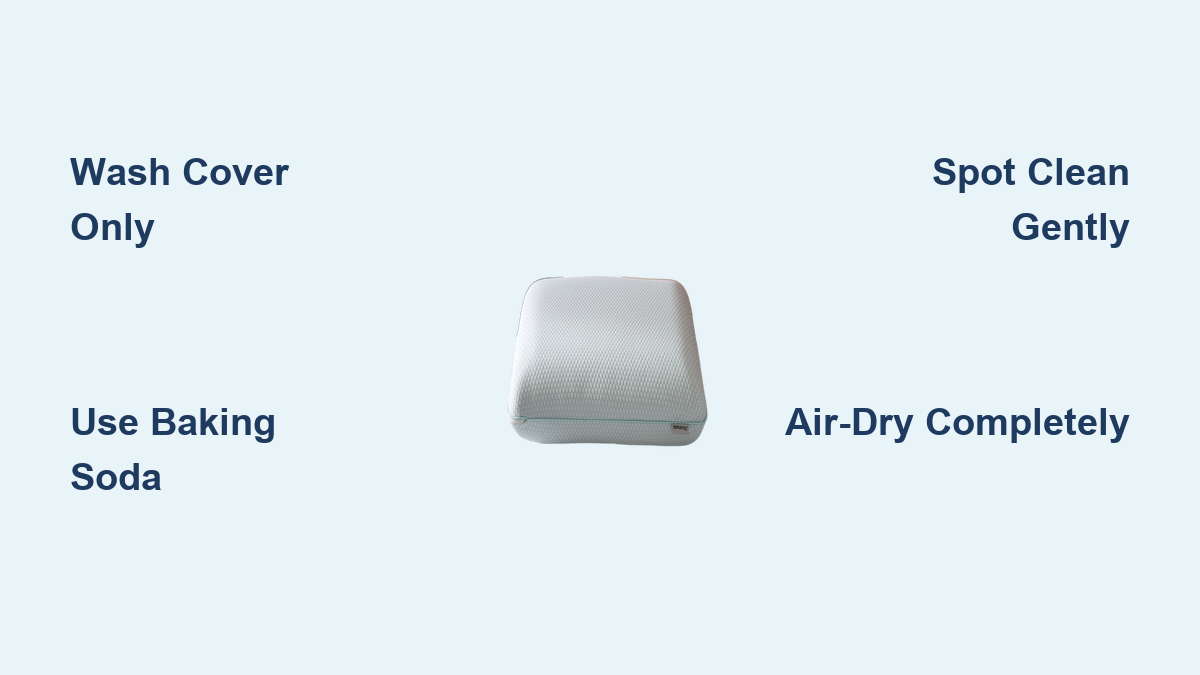
This guide walks you through the exact steps to clean your pillow safely while preserving its shape and support. You will learn how to wash the cover, deodorize the foam with baking soda, spot clean stains without soaking, and dry thoroughly to prevent mildew. By following these manufacturer-approved methods, you can extend your pillow’s life and keep it hygienic for years.
Remove and Wash the Removable Cover

Check for the Zippered Cover
Most Tempur-Pedic pillows come with a removable, zippered cover designed for easy cleaning. Look for a discreet zipper along one edge, often hidden in a seam. If your model has one, unzip carefully and remove the cover before any cleaning process. Always check the care label sewn into the cover for specific instructions, as some newer models may have slight variations.
Machine Wash in Cold Water
Once removed, turn the cover inside out to protect the outer fabric. Use cold water and a mild, bleach-free detergent on a gentle cycle. Avoid fabric softeners, chlorine, or stain removers, as these can degrade fibers over time. This approach safely cleans the cover without risking shrinkage or damage to elastic edges.
Dry Properly to Prevent Damage
Air-drying by hanging is the safest method for drying the cover. Alternatively, use a dryer on low or cool heat for a short cycle, removing promptly to avoid wrinkles or shrinkage. Never use high heat, as it can melt synthetic fibers or damage elastic edges, making reattachment difficult.
Deodorize the Foam Core with Baking Soda

Sprinkle Baking Soda Evenly
Since the foam cannot be washed, baking soda is your best tool for removing odors caused by sweat, oils, or humidity. Remove the cover and place the foam on a flat, clean surface. Lightly sprinkle baking soda over the entire surface using a shaker for even distribution. Avoid clumps; a thin, uniform layer works best.
Let It Sit for the Right Amount of Time
For light odors, 5 to 10 minutes is sufficient. For stronger smells or humid environments, extend up to 30 minutes, but do not leave overnight. Extended exposure can attract moisture from the air, defeating the purpose. Never spray water or vinegar on the foam before applying baking soda, as this risks dampness and damage.
Vacuum the Memory Foam After Deodorizing
Use a Soft Brush Attachment
After baking soda sits, remove it completely using a vacuum cleaner with a soft brush or upholstery tool. Gently go over every inch of the pillow, paying special attention to grooves, indentations, and seams where dust and allergens collect. Ensure all baking soda residue is removed, as leftover powder can trap moisture later.
Check for Any Remaining Residue
Run your hand over the surface after vacuuming. If you feel any grit or powder, vacuum again. A clean, dry surface is essential before spot cleaning or re-covering the pillow.
Spot Clean Stains Safely
When Spot Cleaning Is Necessary
Only clean the foam if there is visible soiling like sweat marks, drool, makeup, or spills. Use this method sparingly and with minimal moisture. Never soak or drench the foam, as even small amounts of water trapped inside can cause mold growth.
Prepare a Gentle Cleaning Solution
Mix a few drops of mild dish soap with warm water in a bowl to create a low-suds solution. Dip a soft sponge or microfiber cloth into the mixture, then wring it out completely. The cloth should be damp, not wet, to prevent excess moisture from penetrating the foam.
Dab the Stain Gently
Dab the stained area lightly without rubbing or scrubbing. Apply minimal pressure to avoid pushing liquid deeper into the foam. Work from the outside inward to prevent spreading, then blot immediately with a dry towel to pull moisture out. Repeat only if necessary, and never flood the area.
Avoid These Harsh Products
Never use bleach, chlorine-based cleaners, OxiClean or oxygen boosters, aerosol sprays, carpet cleaners, essential oils, or vinegar solutions. These can degrade the foam structure and cause permanent damage over time.
Dry Thoroughly After Any Cleaning
Blot Excess Moisture Immediately
After spot cleaning, press a dry towel or stack of paper towels onto the area. Replace with fresh towels and repeat until no moisture transfers. This step removes up to 80 percent of surface water and is critical for preventing mold.
Air-Dry in a Well-Ventilated Area
Place the pillow vertically or on its side to maximize airflow. Keep it away from direct sunlight, radiators, or heaters, as UV and heat can degrade TEMPUR-Material. Use a fan nearby to speed up drying, but avoid blowing directly at the pillow. Allow 6 to 12 hours, or overnight for larger stains. Flip the pillow halfway through drying for even evaporation.
Confirm the Pillow Is Fully Dry
Before replacing the cover, touch all areas, especially thick sections and seams. The foam should feel completely dry with no coolness or dampness. If in doubt, wait longer, as mold can grow within 24 to 48 hours in moist conditions. Never use a hairdryer, heater, or dryer, as high heat can warp or soften the foam permanently.
Prevent Damage with Smart Habits
Use a Pillow Protector
A breathable pillow protector is the single best investment for long-term care. It blocks sweat, oils, saliva, and dust mites while reducing the need for deep cleaning. Wash the protector weekly with your sheets for best hygiene. Choose cotton, bamboo, or moisture-wicking fabric, and avoid plastic-backed covers that trap heat.
Let the Pillow Breathe Monthly
Once a month, remove the cover and let the foam air out for 1 to 2 hours in a dry room. This helps release trapped moisture and refreshes the material. Morning sunlight can help, but never leave the pillow in direct sun. This practice is especially important in hot or humid climates.
Avoid These Common Mistakes
Never Machine Wash the Foam
Despite online myths, you cannot wash a Tempur-Pedic pillow in the washing machine. Water immersion breaks down the foam’s cellular structure, leading to lumpy, misshapen, or collapsed pillows. It also promotes internal mold that is often not visible until damage is done. This type of damage is not covered under warranty.
Do Not Use Harsh Chemicals
Bleach, ammonia, or strong detergents can discolor fabric and weaken foam bonds. Spray cleaners may leave residues that degrade material over time. Stick to mild soap and water only, and avoid all harsh cleaning products.
Avoid High Heat and Improper Storage
Do not dry the pillow near heaters or in hot cars. Do not fold or roll the pillow for storage, as this can cause permanent creases. Store flat in a cool, dry place like a closet shelf, and avoid basements or attics with high humidity.
Handle Accidental Spills Quickly
Blot Immediately If Liquid Spills
If liquid spills on the pillow, blot immediately with a clean cloth or paper towel. Apply firm, repeated pressure to wick out moisture. Follow with spot cleaning if residue remains, then deodorize with baking soda after drying. Air-dry completely before reuse.
Assess Severe Saturation
If a large amount of liquid soaks in, contact Tempur-Pedic Customer Service for advice. Deep saturation may require replacement, as foam dries slowly and can harbor mold. Keep drinks away from the bed and always use a protector to prevent accidents.
Store and Transport Safely
Store Flat in Dry Conditions
Ideal storage is a cool, dry, flat surface like a closet shelf. Avoid folding or rolling unless absolutely necessary for moving. If you must fold temporarily, fold with the top TEMPUR side inward and do not store folded for more than a few days.
Allow Foam to Warm Naturally
In cold temperatures below 50 degrees Fahrenheit, the foam may stiffen. Let it warm up naturally before unfolding, as forcing a stiff, cold pillow can cause cracks or tears.
Know Your Warranty Rights
Warranty Covers Defects, Not Misuse
Tempur-Pedic offers limited warranties that vary by model, but damage from washing, soaking, or improper cleaning is not covered. Claims require proof of proper care. Keep your receipt and care documentation to maintain warranty eligibility.
Use Approved Accessories
Use Tempur-Pedic-approved accessories when possible, and follow all manufacturer guidelines to maintain eligibility for warranty claims.
Final Checklist for Safe Cleaning
| Task | Method | Frequency |
|---|---|---|
| Wash cover | Cold water, gentle cycle, air-dry | Every 1-2 months or with sheets |
| Deodorize foam | Baking soda + vacuum | Every 2-3 months |
| Spot clean | Mild soap, damp cloth, blot dry | As needed |
| Dry thoroughly | Air-dry with fan, flip halfway | After every cleaning |
| Protect | Use breathable pillow protector | Ongoing |
| Inspect | Check for stains, odors, wear | Monthly |
Frequently Asked Questions About Cleaning Tempur-Pedic Pillows
Can I put my Tempur-Pedic pillow in the washing machine?
No. The foam core should never be machine washed or soaked. Washing the foam breaks down its cellular structure, causes permanent damage, and can lead to mold growth inside the pillow. Only the removable cover is machine washable.
How do I get rid of odors in my Tempur-Pedic pillow?
Sprinkle baking soda evenly over the foam surface and let it sit for 5 to 30 minutes, depending on odor strength. Vacuum thoroughly to remove all residue. This method neutralizes acids in sweat and absorbs moisture that causes stale smells.
How often should I clean my Tempur-Pedic pillow?
Wash the cover every 1 to 2 months when you wash your sheets. Deodorize the foam with baking soda every 2 to 3 months. Spot clean only when necessary, such as after spills or visible staining.
Can I use a hairdryer to speed up drying?
No. Never use a hairdryer, heater, or dryer on the foam. High heat can warp, melt, or permanently soften the TEMPUR-Material. Always air-dry in a well-ventilated area away from direct heat sources.
What should I do if my pillow gets wet?
Blot immediately with a clean, dry cloth to remove as much moisture as possible. Follow with spot cleaning if needed, then deodorize with baking soda after drying. Allow 6 to 12 hours or overnight to air-dry completely before using the pillow again.
Does cleaning my pillow void the warranty?
Improper cleaning methods, especially machine washing or soaking the foam, are not covered under warranty. Damage from water exposure or harsh chemicals can void your warranty. Follow manufacturer-approved methods to maintain coverage.
Key Takeaways for Keeping Your Tempur-Pedic Pillow Fresh
Cleaning a Tempur-Pedic pillow requires understanding what can and cannot be washed. The foam core is highly sensitive to moisture and must never be soaked or machine washed. The removable cover, however, can be safely machine washed in cold water and air-dried. For the foam itself, rely on baking soda for deodorizing, gentle spot cleaning for stains, and thorough air-drying to prevent mold.
Using a pillow protector is the most effective way to minimize cleaning needs and extend your pillow’s lifespan. Air out the foam monthly, spot clean only when necessary, and always ensure complete drying before re-covering. Avoid common mistakes like machine washing the foam, using harsh chemicals, or applying high heat during drying.
By following these manufacturer-approved steps, your Tempur-Pedic pillow will remain hygienic, supportive, and comfortable for 3 to 5 years or longer. Invest in a quality protector, clean the cover regularly, and handle spills immediately to get the most from your premium memory foam pillow.