How Long to Apply a Heat Pad
You’re sore after a tough workout, stiff from sitting at your desk all day, or managing chronic back pain, so you reach for a heating pad. But how long should you actually leave it on? Applying heat for too short a time won’t help, but going too long can burn your skin or worsen inflammation. Getting the duration right is essential for safe, effective relief.
The ideal heat pad application time typically ranges from 10 to 30 minutes, depending on your condition, the type of heat source, and whether you’re using moist or dry heat. This window allows heat to penetrate deep into muscle tissue to relax stiffness, boost circulation, and block pain signals, all without risking injury. For specialized products like heat wraps or hot water bottles, durations can extend up to 8 hours, but only under specific conditions and with proper precautions.
In this guide, you’ll learn exactly how long to use every type of heat therapy, from electric pads to chemical packs and saunas, based on clinical guidelines and physiological research. You’ll also discover when not to use heat, how to avoid burns, and which methods work best for acute versus chronic pain.
Standard Heat Application Durations
10 to 30 Minutes Is Ideal
For most muscle aches, stiffness, or chronic pain, 10 to 30 minutes is the scientifically supported range for heat pad use. This duration strikes the perfect balance between therapeutic benefit and safety.
- Under 10 minutes: Heat doesn’t penetrate deeply enough to reach muscle tissue. Surface warmth may feel soothing, but it won’t improve blood flow or relax tight muscles.
- Over 30 minutes: Risk of skin irritation, burns, or reactive inflammation increases significantly. Prolonged heat can also dehydrate the skin and lead to tissue damage, especially with dry heat sources.
Use a timer to stay within this window. Even if the area feels comfortable, your skin may not accurately signal overheating, especially if you have reduced sensation.
Minor Tension Needs Shorter Sessions
If you’re dealing with mild muscle tightness, like a stiff neck from poor posture or light back strain, 15 to 20 minutes is sufficient.
This shorter session:
– Loosens superficial muscles
– Increases local circulation
– Prevents overexposure
– Can be repeated every 2–3 hours as needed
Avoid longer applications unless pain is severe or deep-seated.
Chronic or Severe Pain: Max 30 Minutes
For persistent conditions like arthritis, fibromyalgia, or deep muscle spasms, apply heat for the full 30 minutes to ensure deep tissue warming.
Moist heat (like hydrocollator packs or steamed towels) is more effective here because it penetrates deeper than dry heat, especially in individuals with higher body fat. The enhanced blood flow helps deliver nutrients and clear metabolic waste, speeding recovery and reducing discomfort.
Specialized Heat Sources and Their Timings

Heat Wraps: Wear Up to 8 Hours
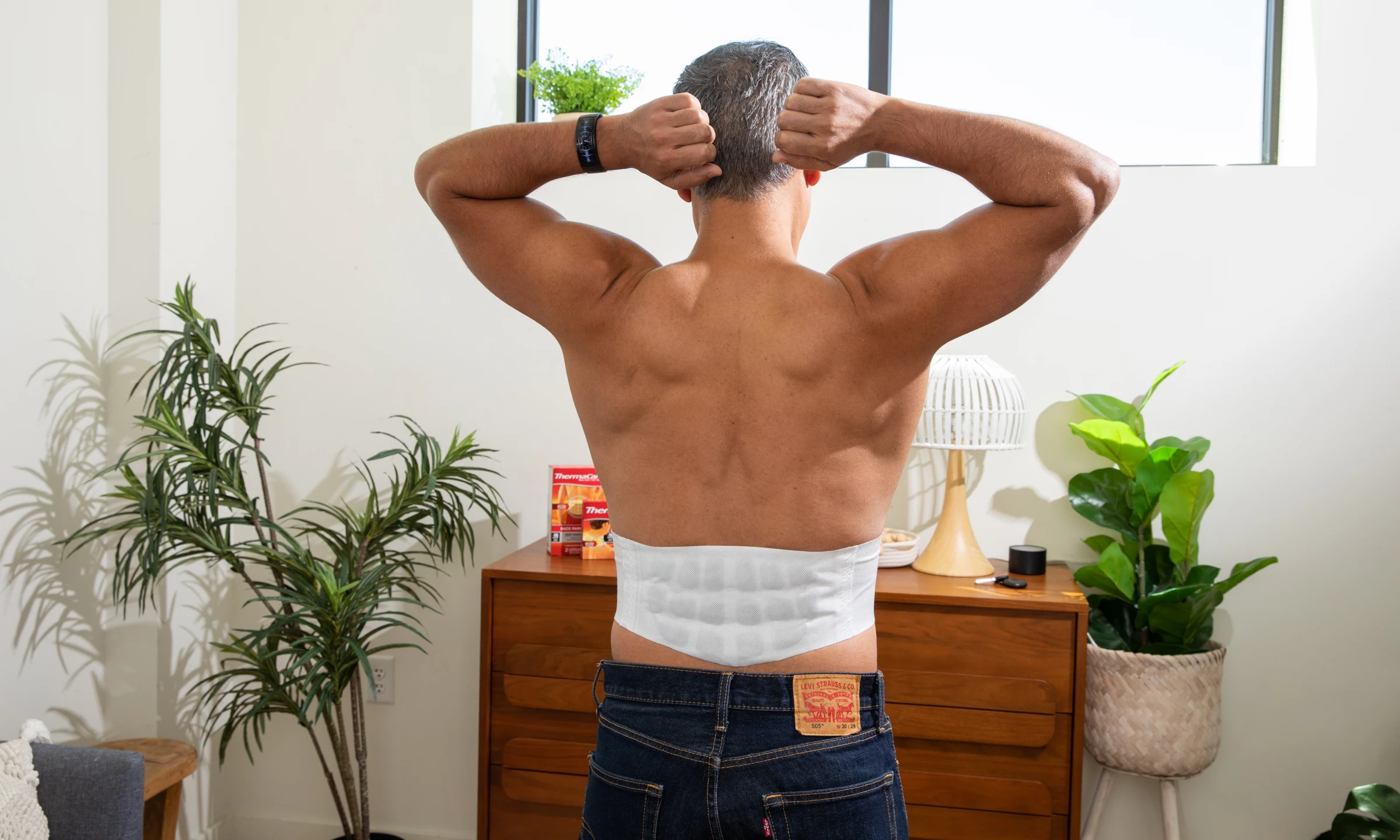
Heat wraps (e.g., ThermaCare) use iron oxidation to generate low-level, continuous heat at around 104°F (40°C). They’re designed to be worn under clothing for 6 to 8 hours, making them ideal for all-day relief during work, driving, or travel.
Key safety rules:
– Only use if you have normal skin sensation
– Do not sleep in them unless explicitly labeled for overnight use
– Never reuse or cut open the wrap
These are perfect for managing chronic lower back pain without needing constant reapplication.
Hot Water Bottles: Last Up to 6 Hours
Filled with water between 104°F and 108°F, rubber hot water bottles provide gentle, prolonged heat for up to 6 hours. They’re excellent for use in bed, on the couch, or in a chair.
Tips for safe use:
– Wrap in a towel or use a fabric sleeve
– Check for cracks or leaks before each use
– Keep away from direct skin contact
– Ideal for people who need passive, long-duration warmth
Not recommended for those with diabetes or poor circulation due to burn risk.
Chemical Heat Packs: 20–45 Minutes of Relief
These come in two types:
- Reusable (sodium acetate): Activated by clicking a metal disc, they stay hot for 30–45 minutes and can be reset by boiling.
- Disposable (sodium thiosulfate): Activated by squeezing, these last 20–25 minutes and reach temperatures up to 130°F.
Always use a barrier like a towel—these can cause burns if applied directly. Great for on-the-go relief after workouts or during commutes.
Heated Gel or Grain Packs: 30–45 Minutes of Warmth
Microwavable gel packs and grain-filled pillows (rice, flaxseed) deliver targeted heat for 30 to 45 minutes.
- Gel packs: Heat for 30–60 seconds in the microwave; last up to 30 minutes
- Grain pillows: Microwave 1–3 minutes; stay warm up to 45 minutes
Perfect for small areas like shoulders, neck, or feet. Always wrap in a cloth and check temperature before applying.
Hydrocollator Packs: 15–30 Minutes of Moist Heat
Used in physical therapy clinics, these clay-based packs are heated in water to 150–160°F and applied for 15 to 30 minutes with thick towel insulation.
They offer superior deep-tissue penetration and are ideal before stretching or exercise. Due to high temperatures, never use at home without professional guidance.
Hot Towels and Stones: Short, Intense Relief
- Hot towels (soaked in ~105°F water): Provide warmth for 5–10 minutes, ideal for quick pre-stretching warm-ups.
- Hot stones (heated to ~120°F): Safe for direct skin contact for up to 5 minutes per placement, often used in massage therapy.
Both require careful monitoring and reheating for extended use.
When to Avoid Heat Therapy
No Heat During Acute Injury (First 48–72 Hours)
Applying heat too soon after an injury, like a sprain, strain, or fall, can worsen swelling and inflammation. During the first 48 to 72 hours, use ice, not heat.
Wait until:
– Swelling has gone down
– Redness and warmth have subsided
– Pain is more stiffness- or spasm-related than sharp or throbbing
Then, heat becomes appropriate to relax tight muscles and improve mobility.
Don’t Use Heat If You Have Numbness or Poor Circulation
People with diabetes, neuropathy, or vascular disease should avoid heating pads. Reduced sensation means you may not feel when the skin is getting too hot, increasing the risk of serious burns.
If you must use heat:
– Test temperature on a sensitive area like your forearm first
– Use only low settings
– Never leave unattended
– Consult your doctor first
Never Sleep with a Standard Heating Pad
Falling asleep with an electric heating pad on can lead to serious burns. Your body’s ability to sense discomfort drops during sleep, so you won’t wake up even if the skin is overheating.
Exceptions:
– Some low-heat electric blankets with auto-shutoff are designed for bedtime use
– Heat wraps rated for 8-hour wear may be safe overnight if you have normal sensation
Best practice: Unplug electric pads before sleeping, even on low settings.
Moist vs. Dry Heat: Which Works Better?
Moist Heat Penetrates Deeper
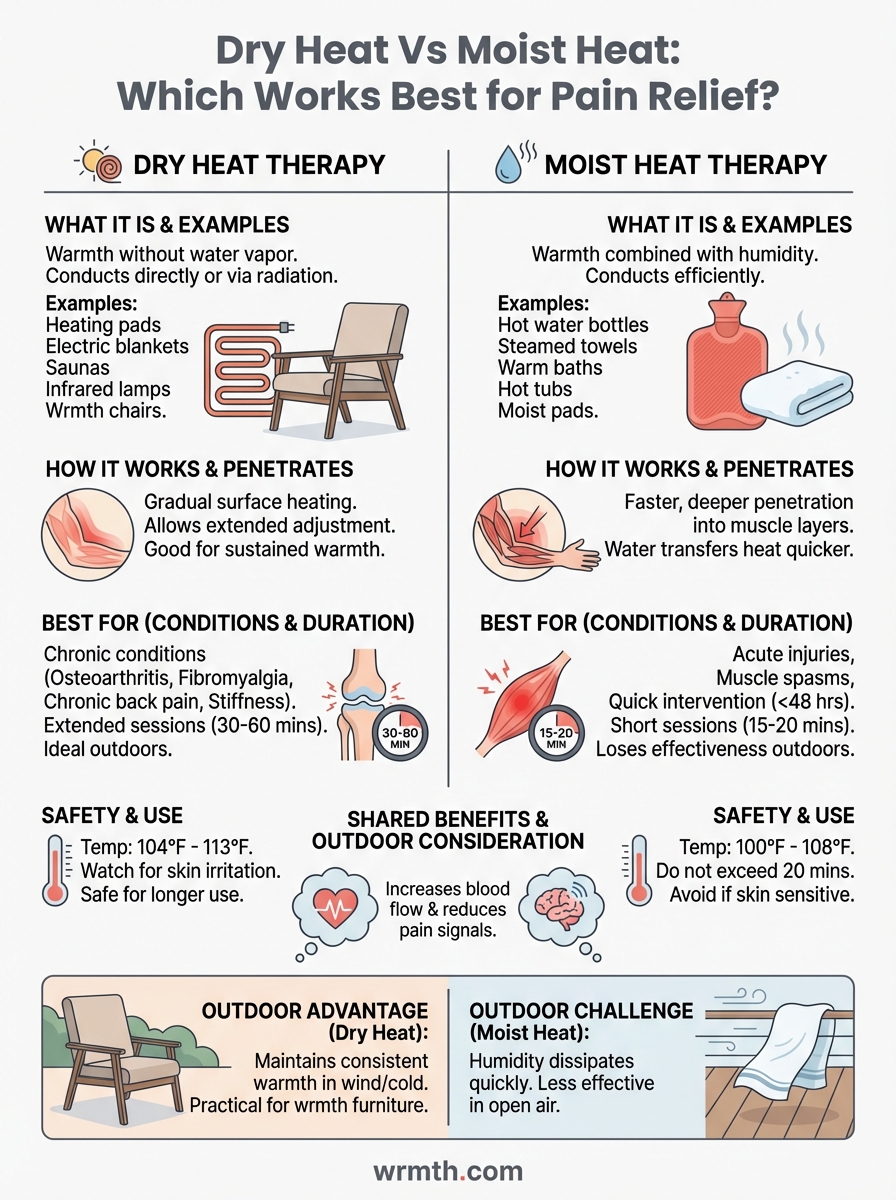
Moist heat (e.g., hydrocollator, steamed towels) heats tissues more effectively than dry heat because water conducts heat better than air.
Benefits:
– Up to 20% deeper tissue penetration
– Greater increase in blood flow
– More effective for people with over 25% body fat, where dry heat struggles to reach muscles
Use moist heat for:
– Chronic stiffness
– Pre-exercise warm-up
– Deep muscle pain
Dry Heat Is More Convenient
Dry heat (electric pads, wraps, gel packs) is easier to use at home or work. It’s less messy and more portable.
Trade-offs:
– Less deep penetration
– Can dry out skin
– Higher surface temperature risk
Best for:
– Minor tension
– Office or travel use
– Quick relief
Pro tip: Dampen a towel and place it over a dry heating pad to create makeshift moist heat. Just avoid wetting the electrical components.
Safety Rules to Prevent Burns
Always Use a Protective Barrier
Never apply any heat source directly to the skin. Always place a towel, cloth, or cover between the device and your body.
Required for:
– Electric pads
– Chemical packs
– Hydrocollator packs
– Hot water bottles
Use multiple towel layers for high-temperature sources like hydrocollators.
Monitor Your Skin Continuously
Check the area every 5–10 minutes for:
– Redness
– Stinging or burning sensation
– Blistering
If any of these occur, remove the heat immediately and let the skin cool. Do not reapply until fully recovered.
Use Devices with Auto-Shutoff
Choose heating pads with built-in timers or auto-shutoff features (usually 30–90 minutes). This prevents accidental overuse, especially if you’re prone to dozing off.
Replace old or damaged pads with frayed cords, exposed wires, or inconsistent heating.
When to Combine Heat and Ice
Use Contrast Therapy for Stubborn Pain
Alternating heat and ice, called contrast therapy, can help with chronic joint pain, post-exercise soreness, or lingering inflammation.
How to do it safely:
1. Ice for 15–20 minutes
2. Rest for 20 minutes
3. Apply heat for 15–20 minutes
4. Rest again for 20 minutes
5. Repeat cycle up to 2–3 times per day
This flushes blood in and out of the area, reducing swelling and improving mobility.
Never apply heat immediately after ice without a rest period—this can trap inflammation.
Real-Life Use Cases
After Physical Therapy: 15–20 Minutes
Use heat after stretching or exercise to maintain flexibility and reduce post-session stiffness. A moist heat pack or heating pad for 15 to 20 minutes helps lock in gains.
Avoid if swelling is present—use ice instead.
At Work or While Driving: Try Heat Wraps
For all-day back or neck tension, heat wraps are ideal. They’re thin, discreet, and last 6–8 hours. Just activate and wear under your shirt.
No outlets needed—perfect for long drives or desk jobs.
Before Stretching: Warm Up in 5–10 Minutes
Apply hot towels or a quick gel pack for 5 to 10 minutes before stretching. This increases tissue elasticity, reducing injury risk.
Think of it like warming up a cold rubber band—flexible when warm, brittle when cold.
For Post-Surgical Stiffness: 15–20 Minutes Only
After procedures like knee replacement, heat can ease evening stiffness, but only 15–20 minutes at a time.
Avoid if:
– You have numbness in the area
– Skin is sensitive or healing
– Swelling is still present
Always get your doctor’s approval first.
Maintenance and Longevity Tips
Electric Pads: Check Cords and Settings
Inspect monthly for:
– Frayed wires
– Burn marks
– Moisture exposure
– Inconsistent heating
Never fold tightly—this damages internal wires. Store flat or loosely rolled.
Gel and Grain Packs: Prevent Leaks
Ensure seals are intact before microwaving. If gel leaks or grains spill, discard immediately.
Add a few drops of essential oil (like lavender) to grain pillows for aromatherapy benefits.
Hydrocollator and Hot Water Bottles: Inspect Regularly
- Hydrocollator covers: Wash regularly to prevent bacteria buildup
- Hot water bottles: Replace every 1–2 years or if rubber shows wear
Always use clean, warm (not boiling) water to fill bottles.
Frequently Asked Questions About Heat Pad Duration
How long should you apply a heating pad to your back?
For back pain, apply a heating pad for 15 to 30 minutes per session. Minor tension responds well to 15–20 minutes, while chronic back pain may benefit from the full 30-minute window. Repeat every 2–3 hours as needed, always using a cloth barrier between the pad and your skin.
Can you leave a heating pad on too long?
Yes. Leaving a heating pad on for more than 30 minutes increases the risk of burns, skin irritation, and reactive inflammation. Prolonged exposure can also dehydrate your skin. Always use a timer and remove the pad once your session ends, even if the area still feels comfortable.
Is it safe to sleep with a heating pad on?
No, not with a standard electric heating pad. Falling asleep with one active can cause serious burns because your body’s pain response is suppressed during sleep. Only use products specifically designed for overnight wear, such as certain heat wraps rated for 6–8 hours, and only if you have normal skin sensation.
How long should you use a heat wrap?
Heat wraps (like ThermaCare) are designed for 6 to 8 hours of continuous wear at approximately 104°F (40°C). They’re ideal for all-day relief during work or travel. Do not wear them to bed unless the packaging explicitly states they are safe for overnight use.
When should you use ice instead of heat?
Use ice instead of heat during the first 48 to 72 hours after an acute injury, when swelling, redness, and throbbing pain are present. Heat during this phase can worsen inflammation. Once swelling subsides, switch to heat to address residual stiffness and muscle spasms.
How long should you apply heat after physical therapy?
After physical therapy or stretching, apply heat for 15 to 20 minutes to maintain flexibility and reduce post-session stiffness. Avoid heat if swelling is present, and always wait at least 20 minutes after icing before applying heat to the same area.
Key Takeaways for Safe Heat Pad Use
Heat therapy is powerful, but only when applied correctly. For standard heating pads, stick to the 10–30 minute window and never exceed it without professional guidance. Use specialized products like heat wraps (6–8 hours) or hot water bottles (up to 6 hours) when you need prolonged relief, but always follow manufacturer instructions and use a protective barrier.
Remember these critical rules: never sleep with an active electric heating pad, avoid heat during the first 48–72 hours after an acute injury, and consult a healthcare provider if you have diabetes, neuropathy, or circulatory issues. Choose moist heat for deeper, chronic problems and dry heat for convenience and portability.
Your next step: Set a timer before your next heat therapy session. Start with 15–20 minutes, check your skin for redness, and adjust based on your comfort and condition. If pain persists beyond a few days or worsens, schedule an appointment with a healthcare professional to rule out underlying issues.