How to Use a Medical Pillow
You finally invested in a medical pillow to fix your neck pain, but after a few nights, the stiffness is still there. The problem is rarely the pillow itself. Most people never learn how to use a medical pillow correctly, so the ergonomic design ends up working against them. When the head sits on the wrong side or the shoulders creep onto the pillow, even the best orthopedic design fails to support your cervical spine.
This guide walks you through exactly how to use a medical pillow based on your sleep position, how to choose the right loft and material, and the simple mistakes that quietly sabotage your results. By the end, you will know how to align your spine, speed up the adjustment period, and wake up with less pain.
Match the Pillow to Your Body Before You Sleep on It
Before you worry about positioning, your medical pillow has to fit your frame and mattress. Skip this step and no amount of tweaking will help.
Size the Loft to Your Shoulders and Mattress
Loft is the height of your pillow when your head rests on it. It has to fill the gap between your neck and the mattress so your spine stays neutral.
- Narrow shoulders: Choose low to medium loft.
- Broad shoulders: Choose high loft to fill the larger gap.
- Firm mattress: You will sink less, so go with higher loft.
- Soft mattress: You will sink more, so medium or lower loft works best.
Pro Tip: Pick an adjustable pillow with removable foam layers. You can fine-tune the height as you test it, which is perfect if you are still figuring out your ideal setup.
Pick a Material That Matches Your Sleep Style
Each core material behaves differently, so match it to your needs:
- Memory foam: Molds to your head and neck. Ideal for neck pain and side or back sleepers. Feels firmer in cold rooms.
- Latex: Bouncy, breathable, and durable. Great for hot sleepers who still want firm support.
- Cooling gel foam: Pulls heat away from your skin. Best if you overheat at night.
- Hollowfibre: Soft and plush. Hypoallergenic, but only suitable for stomach sleepers or those who want minimal structure.
Avoid soft, flat pillows if you deal with chronic pain. They cannot hold the cervical curve your neck needs.
How to Use a Medical Pillow for Back Sleeping

Back sleeping is the gold standard for spinal alignment, but only when the pillow is set up the right way.
Place Your Neck on the Raised Contour
The tallest edge of the pillow belongs under your neck, not under your head. Your head should rest in the lower central dip.
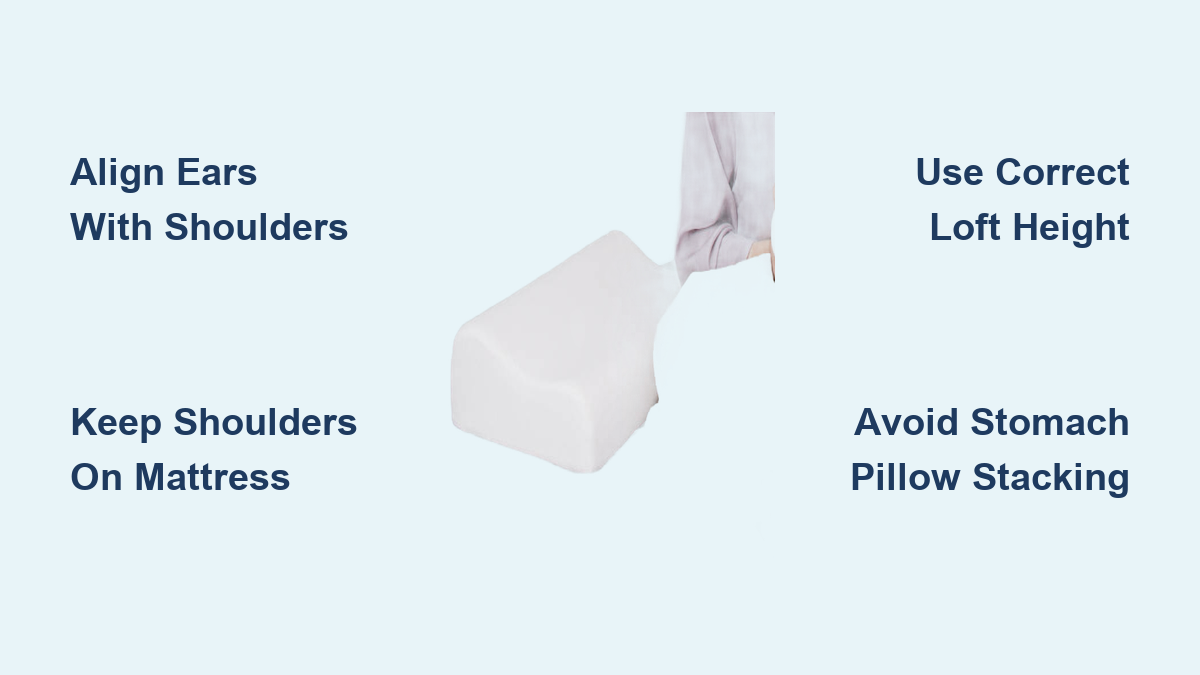
- Ears should line up vertically with your shoulders.
- Your chin should not tilt toward your chest or the ceiling.
Common Mistake: Putting your head on the high ridge forces your chin down and creates the exact neck strain you are trying to fix. Rotate the pillow so the tallest curve sits under your neck.
Keep Your Shoulders Off the Pillow
Your shoulders must stay flat on the mattress. If they ride up onto the pillow, your upper body lifts and your neck bends sideways.
Visual Cue: Lie down and glance at a mirror. If your nose points up or down instead of straight ahead, adjust the pillow height.
Choose Firm, Contoured Support
Back sleepers do best with firm memory foam and a deep central dip. Look for models labeled “BackRest” or “cervical support.” A bamboo or TENCEL cover will keep airflow steady through the night.
How to Use a Medical Pillow for Side Sleeping
Side sleeping leaves a wide gap between your head and the mattress, and your pillow has to close that gap completely.
Fill the Shoulder Gap Completely
When you lie on your side, the highest point of the pillow should support your neck and rise up to meet your head.
- Your nose should face forward, not tilt up or down.
- Your head, neck, and spine should form a straight horizontal line.
If your head tilts down toward the mattress, your spine bends and you will wake up stiff.
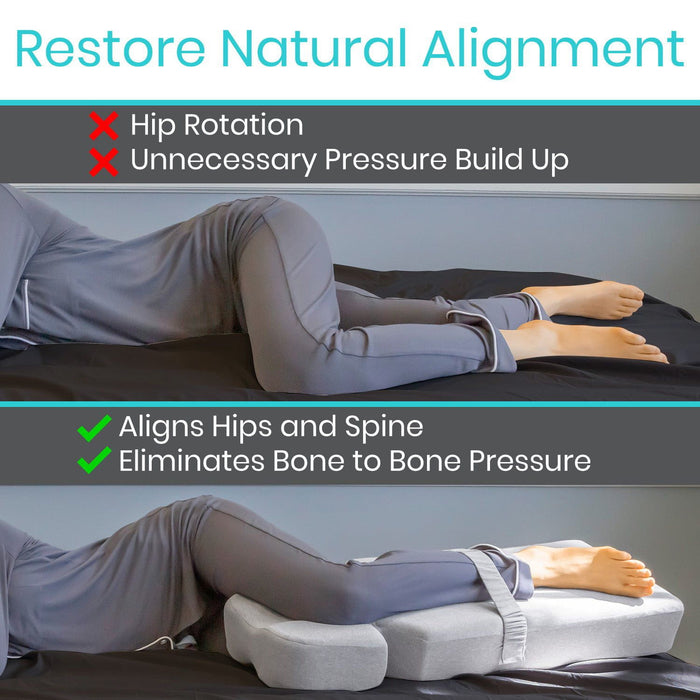
Add a Knee Pillow for Total Alignment
Even with a perfect neck pillow, your hips can twist and pull your spine out of line. Place a small pillow between your knees.
- Keeps hips square
- Prevents lower back strain
- Locks in alignment from neck to hips
This neck-plus-knee combination is the single biggest upgrade for side sleepers.
Choose a High-Loft, Firm Pillow
Side sleepers need more height and firmer support than back sleepers. Look for “SideSupport” models in memory foam or latex. Skip anything soft or low-profile.
How to Use a Medical Pillow for Stomach Sleeping
Stomach sleeping is the hardest position to pair with an orthopedic pillow. Most contour designs will fight you.
Avoid Contoured Pillows Under Your Head
The raised neck support forces your head into extreme rotation, which strains the cervical joints. If you can, transition to side or back sleeping instead.
Use a Low-Profile Pillow or Reposition It
If you must sleep on your stomach, you have two safe options:
- Use a thin, soft pillow made of hollowfibre under your head.
- Place the medical pillow under your chest or hips to flatten the lower back arch.
Never use a high contour pillow under your head in this position.
Try a Dual-Sided Pillow
Some brands make dual-sided pillows with a firm contoured side for back and side sleeping, and a flat soft side for stomach sleeping. Flip the pillow as needed, which is perfect for combo sleepers.
How to Use a Medical Pillow for Combination Sleepers

If you roll around at night, you need a pillow that adapts with you.
Choose Adjustable Loft
Look for these features:
- Removable foam layers
- Interchangeable height inserts
- Dual firmness sides
Adjust the loft based on your position:
- Higher loft for side sleeping
- Medium loft for back sleeping
This keeps you supported no matter how you move.
Pick a Versatile Shape
Wedge or U-shaped pillows often work better than strict contours for combo sleepers. They cradle your head without locking you in.
Pro Tip: Test the pillow by rolling from your side to your back. It should support both positions without feeling too tall or too flat.
Common Mistakes That Block Your Results
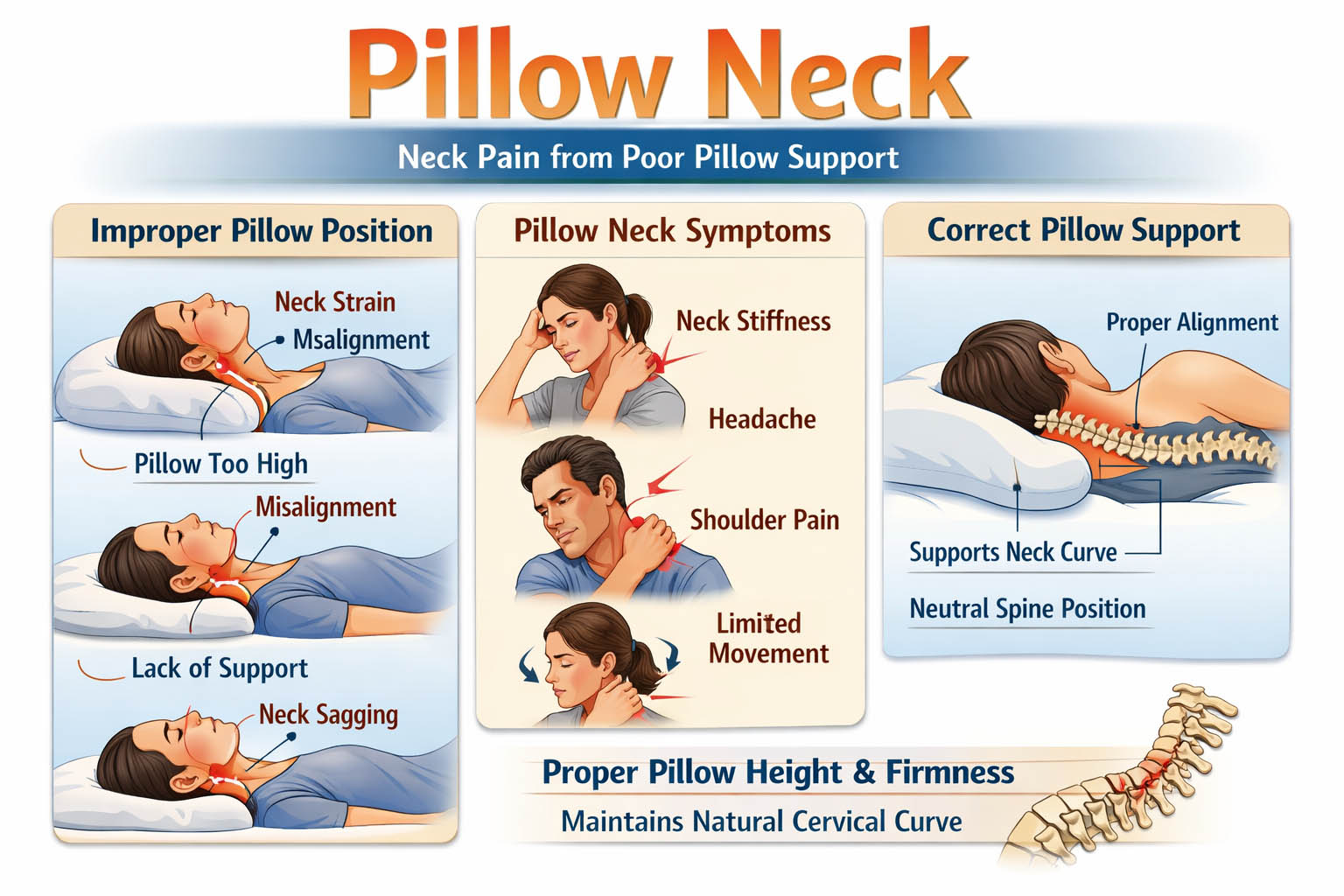
Even the right pillow fails if you use it wrong. Watch out for these errors.
Stacking Pillows
Never place a medical pillow on top of another pillow. The extra height bends your neck forward and causes pain. Use only one pillow, directly on the mattress.
Wrong Orientation
Putting the low side under your neck defeats the entire purpose. Always place the raised contour under your neck and your head in the dip.
Shoulders on the Pillow
Letting your shoulders ride up onto the pillow lifts your upper body and bends your neck sideways. Keep your shoulders fully on the mattress.
Giving Up Too Early
Many users quit after one or two nights because the pillow feels too firm. Your body needs 3 to 7 nights to adapt to proper alignment. Morning stiffness usually eases by day four if you stick with it.
Optimize Comfort and Extend Pillow Life
A few small habits will keep your medical pillow supportive and hygienic for years.
Let Memory Foam Warm Up
Cold memory foam feels rock-hard. Let the pillow sit at room temperature before bed, or lie down for 2 to 3 minutes so your body heat softens the foam.
Use a Breathable Pillowcase
Standard polyester cases trap heat and flatten the contours. Choose bamboo, cotton, or TENCEL. Make sure the case fits snugly without compressing the shape.
Wash the Cover Weekly
Sweat, oil, and allergens build up fast. Remove and machine wash the cover weekly. Spot clean the foam core with mild soap and never soak it.
Replace the Pillow Every 2 to 3 Years
Foam loses resilience over time. If you see permanent dents or the pillow no longer springs back, replace it. A worn pillow slowly pulls your posture out of alignment again.
Who Gets the Most Out of a Medical Pillow?
People With Chronic Neck or Shoulder Pain
If you wake up stiff or deal with tension headaches, a medical pillow supports the cervical curve, reduces muscle strain, and prevents nerve compression. Look for firm memory foam with cooling gel.
Snorers and Mild Sleep Apnea Sufferers
Proper head position keeps your airway open, which can reduce snoring and improve mild sleep apnea symptoms. Pair your pillow with a wedge if your doctor recommends elevation.
Desk Workers and Drivers
Poor daytime posture gets worse at night. Using a medical pillow reinforces neutral spine alignment and can gradually improve your posture during the day.
Hot Sleepers
You do not have to choose between support and temperature control. Pick cooling gel foam with a bamboo cover, and avoid traditional memory foam if you overheat.
Frequently Asked Questions About Medical Pillows
How long does it take to adjust to a medical pillow?
Most people need 3 to 7 nights to adapt to the firmer support. Mild stiffness in the first few days is normal and usually fades by day four.
Can I use a medical pillow if I sleep on my stomach?
It is not ideal. The raised contour forces your neck into extreme rotation. Use a thin, soft pillow under your head, or place the medical pillow under your chest or hips instead.
How do I know if my pillow is the right height?
Lie down and check if your ears line up vertically with your shoulders. Your nose should face straight ahead with no tilt up or down. If it tilts, swap to a higher or lower loft.
Should my shoulders be on the pillow?
No. Your shoulders should always stay on the mattress. Putting them on the pillow lifts your upper body and bends your neck out of alignment.
How often should I replace my medical pillow?
Replace it every 2 to 3 years, or sooner if you notice permanent indentations or loss of bounce. A worn pillow cannot hold your spine in a neutral position.
What material is best for neck pain?
Memory foam is the most popular choice because it molds to your neck and holds its shape. Latex is a good alternative if you want more bounce and breathability.
Final Thoughts on Using a Medical Pillow the Right Way
Learning how to use a medical pillow comes down to three rules: keep your head in the dip and your neck on the rise, line up your ears with your shoulders, and keep your shoulders on the mattress. Match the loft to your shoulder width and mattress firmness, give yourself a full week to adapt, and pair the pillow with good sleep hygiene for the best results.
Start tonight by checking your alignment in a mirror before you fall asleep. If your nose points straight ahead and your neck feels supported, you are on the right track. If pain persists beyond a week, talk to a doctor. A medical pillow is a powerful tool, but it works best alongside professional guidance for serious conditions.