How to Use a Heating Pad for Lower Back Pain
Lower back pain can interrupt everything from your morning routine to a good night’s sleep. One of the simplest, drug-free tools for relief is a heating pad. When used correctly, heat therapy relaxes tight muscles, boosts circulation, and speeds up healing. The trick is knowing when to reach for heat, how long to apply it, and which type of pad fits your situation best.
Using a heating pad the wrong way can actually make things worse. Apply heat too soon after an injury and you may increase swelling. Leave it on too long and you risk burns. This guide covers the safe, effective steps for using a heating pad on your lower back, including pad selection, timing, and warning signs that mean it’s time to call your doctor.
Choose the Right Heating Pad

The best heating pad for you depends on your pain level, daily habits, and safety needs. Not all heat sources deliver the same results.
Electric Pads vs. Gel Packs
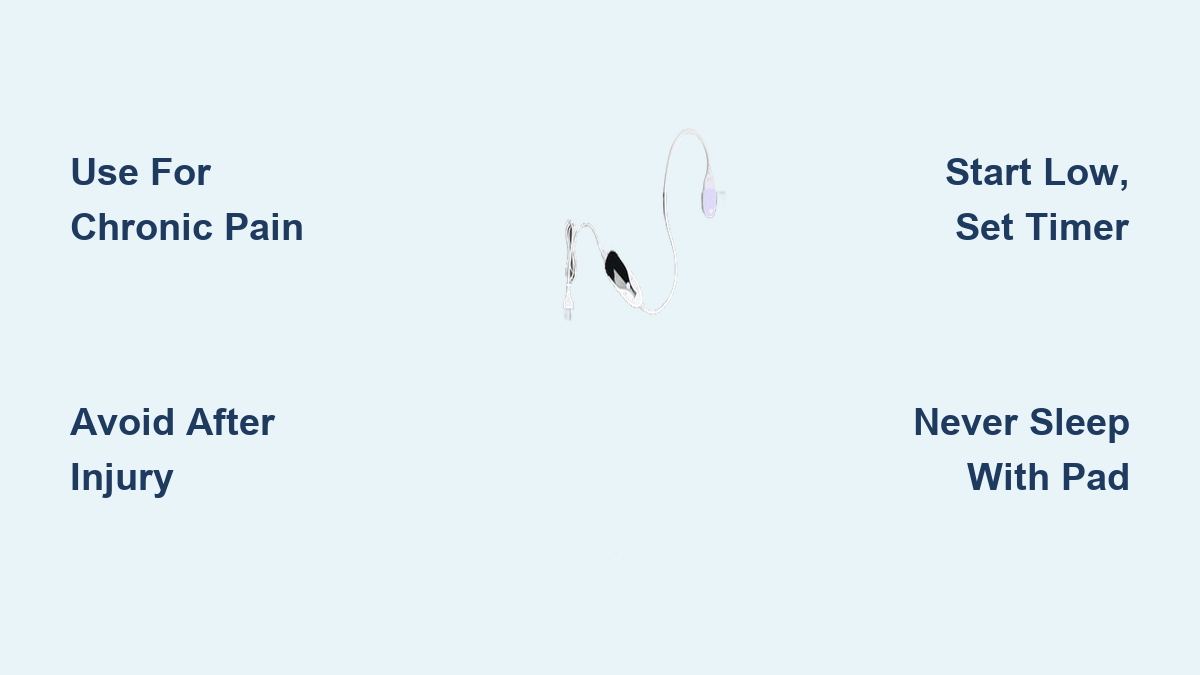
Electric heating pads give you adjustable settings and steady heat, which makes them great for regular use. Look for models with automatic shut-off to prevent overheating, especially if you tend to doze off during treatment. Standard electric pads handle mild to moderate pain well. For deeper, more severe discomfort, infrared heating pads penetrate further into the muscle tissue.
Gel packs are microwaveable and work double duty. Heat one for 1–2 minutes following the package directions, then wrap it in a towel before applying. You can also freeze gel packs for cold therapy. The trade-off is that gel packs lose heat faster than electric pads.
Try Moist Heat for Better Results
Many medical professionals recommend moist heat over dry heat because it reaches deeper into tissue. Warm towels, hot showers, and moist heating pads all qualify. If you only have a standard electric pad, place a damp cloth between the pad and your skin to mimic moist heat. Just confirm the device is rated for safe use with moisture.
Make a DIY Rice Sock
A homemade rice sock is a low-cost option worth trying. Fill an old cotton sock with uncooked rice, seal the end, and microwave it for 3–5 minutes. Let it cool slightly, then wrap it in a towel before use. Rice socks hold heat well and can be frozen for cold therapy. This is a smart starting point if you want to test heat therapy before buying equipment.
Apply Heat at the Right Time
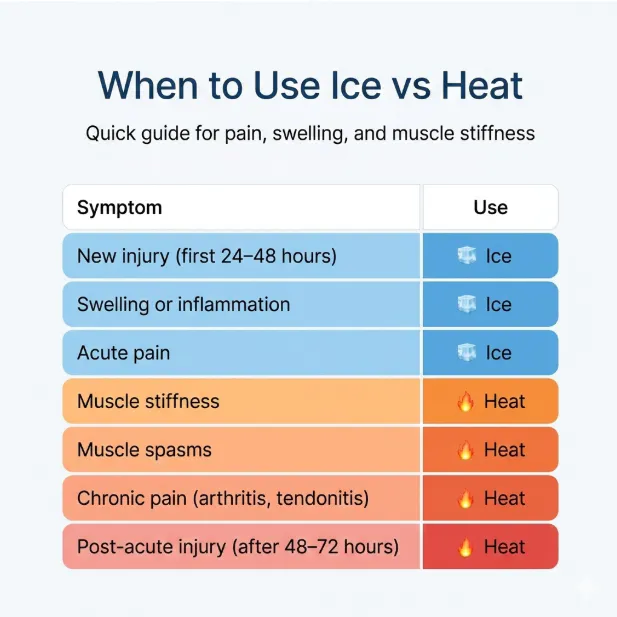
Timing can make or break your results. Using heat during the wrong phase of an injury can increase swelling and slow healing.
Use Heat for Chronic Pain and Stiffness
Heat works best for chronic lower back pain, meaning pain that has lasted more than a few days. It also helps with morning stiffness and arthritis-related rigidity. Heat loosens tight muscles, improves circulation, and gets your body ready to move. Apply it before physical activity to reduce your risk of strain.
Avoid Heat After a Recent Injury
Skip heat for the first 24 to 72 hours after a back injury. During this acute phase, inflammation is high, and heat will increase blood flow and swelling. Reach for ice therapy instead to constrict blood vessels and numb the pain. Switch to heat once the swelling goes down, usually after three days.
Combine Heat and Ice Strategically
A simple transition protocol helps you recover faster:
- Days 1–3: Apply ice for 15–20 minutes every 2–3 hours.
- Day 4 onward: Start heat therapy to support healing and flexibility.
- After exercise: Use ice to calm inflammation, then apply heat the next day for any lingering tightness.
Follow Safe Application Steps
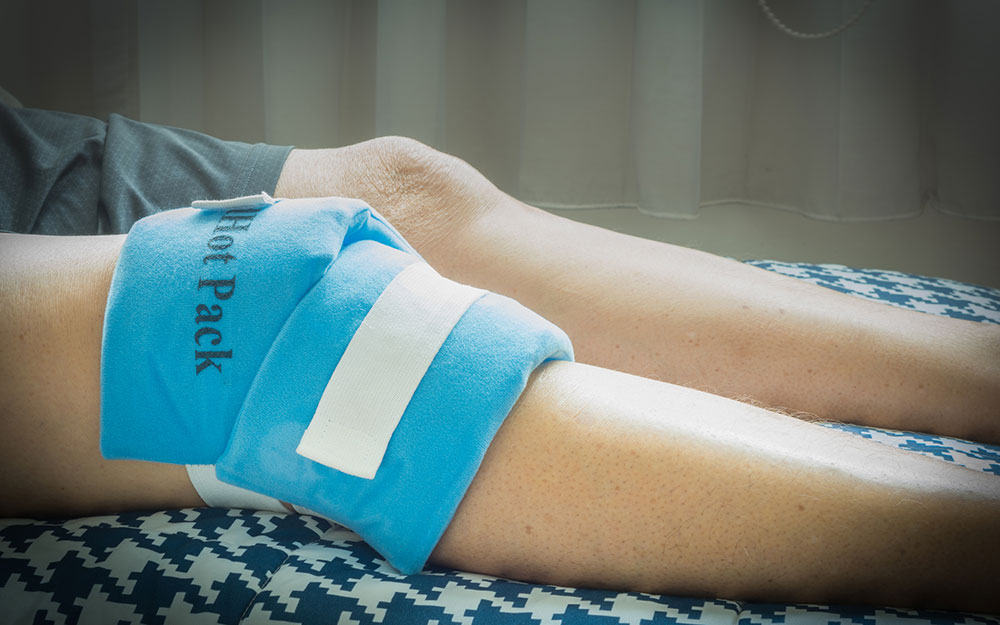
Good technique protects your skin and ensures you actually feel better.
Protect Your Skin Always
Never place a heating pad directly on bare skin. Always use a thin towel or cloth as a barrier. Test the temperature before applying, especially with gel packs or rice socks. If it feels too hot to touch, it’s too hot for your back.
Start Low and Go Slow
Begin on the lowest heat setting. Many people get enough relief at low heat. Only turn it up if you need more. High heat should be limited to 15–30 minutes. Low heat can run up to one hour, though 15–20 minutes works well for most people.
Set a Timer and Stay Awake
Always use a timer. Never fall asleep with a heating pad on. This is the most common cause of heating pad burns. Even pads with auto-shutoff are not safe for use during sleep. Stay alert and check your skin for redness or discomfort.
Adjust Use for Special Cases
Some situations call for modified heat therapy to stay safe.
Pregnant? Limit Heat Exposure
If you’re pregnant, use a heating pad only on the lowest setting and for 10–15 minutes at a time. Avoid prolonged or high-heat use since overheating can pose risks to the fetus. Keep the pad on your lower back, not your abdomen, and check with your doctor if you have any concerns.
Check Skin Sensitivity
People with diabetes, neuropathy, or poor circulation may have reduced sensation, which raises the risk of burns. If you struggle to feel temperature changes, skip heating pads or use them only under a doctor’s guidance. Always inspect your skin before and after each session.
Watch for Danger Signs
Heat therapy is safe for most people, but certain symptoms mean you should stop and seek medical help.
Stop If Pain Worsens or Swelling Appears
If your back becomes more painful, swollen, or hot to the touch after using heat, stop immediately. These signs may point to inflammation or another condition that needs a professional evaluation.
Know When to See a Doctor
Reach out to a healthcare provider if you notice any of these warning signs:
- Pain that wakes you at night
- Fever along with back pain
- Pain radiating down your legs
- Numbness, weakness, or tingling in your legs
- Bladder or bowel control problems
- No improvement after several weeks of home treatment
These could point to nerve compression, infection, or another spinal issue that needs professional care.
Maximize Relief with Smart Habits
A few small habits can make your heating pad routine even more effective.
Use Heat in the Morning
Apply heat first thing in the morning to loosen stiff muscles and improve mobility. A 15-minute session can make daily movements easier and reduce pain throughout the day.
Pair Heat with Gentle Movement
After heating, do light stretches or walk for 10–15 minutes. Warm muscles are more flexible, so movement is safer and more effective. Skip strenuous activity right after heat unless a therapist has advised otherwise.
Clean and Maintain Your Pad
Wipe your heating pad down regularly to keep it clean. Store gel packs flat to prevent leaks. Replace any device with frayed wires, discoloration, or uneven heating to avoid safety hazards.
Frequently Asked Questions About Heating Pads for Lower Back Pain
How long should you use a heating pad on your lower back?
Most experts recommend 15–20 minutes per session. On a low setting, you can go up to one hour, but high heat should be limited to 15–30 minutes. Wait at least 1–2 hours between sessions.
Is it safe to use a heating pad every day for back pain?
Yes, daily use is safe for chronic lower back pain as long as you follow safety guidelines. Always use a cloth barrier, avoid falling asleep with the pad on, and check your skin regularly.
Should I use heat or ice for lower back pain?
Use ice during the first 24–72 hours after an injury to reduce swelling. Switch to heat for chronic pain, stiffness, or before physical activity. Heat increases blood flow, while ice reduces inflammation.
Can I sleep with a heating pad on my back?
No. Falling asleep with a heating pad is a leading cause of burns. Even pads with automatic shut-off are not designed for overnight use. Always stay awake during treatment.
Is moist heat better than dry heat for back pain?
Many medical professionals consider moist heat more effective because it penetrates tissue better. Warm towels, hot showers, or a damp cloth over an electric pad can all deliver moist heat.
When should I see a doctor for lower back pain?
See a doctor if you have pain that wakes you at night, fever, leg numbness or weakness, bladder or bowel issues, or pain that does not improve after several weeks of home treatment.
Key Takeaways for Using a Heating Pad Safely
Heat therapy is one of the easiest ways to manage lower back pain at home. Choose a pad that fits your needs, whether that’s an electric model with auto-shutoff, a versatile gel pack, or a simple rice sock. Time your sessions carefully and skip heat during the first 72 hours after an injury. Always use a cloth barrier, start on the lowest setting, and never sleep with the pad on.
If your pain does not improve after several weeks or you notice any warning signs like fever, numbness, or bladder changes, schedule a visit with your doctor. The right approach to heat therapy can reduce discomfort, improve mobility, and support your body’s natural healing process.