
How to Use a Nursing Pillow for Newborns
If you’re a new parent trying to figure out how to use a nursing pillow for newborn feeding without straining your back, you’re not alone. Many caregivers experience neck, shoulder, and wrist pain within the first few weeks of feeding a baby 8 to 12 times daily. A properly fitted nursing pillow bridges the height gap between you and your baby, supports your posture, and frees your arms during long feeding sessions. This guide walks you through choosing the right pillow, positioning it safely, mastering different feeding holds, and avoiding common mistakes that can compromise comfort or safety.
Choose the Right Nursing Pillow for Your Body and Feeding Style

Compare the Three Main Pillow Shapes
The shape of your nursing pillow directly affects how comfortable and accessible feeding feels. The three most common configurations serve different needs:
- C-Shaped (e.g., Boppy Original): Wraps around your front and sides, making it versatile for cradle and football holds. Best for average to smaller body types.
- U-Shaped (e.g., My Brest Friend): Sits flatter across your lap with a wider opening. Ideal for larger frames, tandem nursing, or parents who dislike a tight wrap.
- Table/Contour Shape (e.g., Leachco): Functions like a feeding platform without hugging your sides. Great if you prefer an open, table-like surface.
Prioritize Firmness to Prevent Suffocation Risks
Modern safety standards require nursing pillows to be firm enough to prevent suffocation if a baby’s face presses into the surface. Avoid soft, plush models, especially older versions like the Dream On Me Beeboo, which have been flagged for insufficient firmness. Look for:
- High-density foam or fiberfill that resists deep compression
- A flat, stable surface that doesn’t indent under pressure
- A design that keeps the baby’s head elevated above their body to reduce reflux
Look for Adjustable Straps and Easy Cleaning
An adjustable strap keeps the pillow snug against your waist as your postpartum body changes. Features to prioritize include:
- Wide Velcro or buckle closures that hold firmly
- Silent-release buckles for nighttime use without waking the baby
- A removable, machine-washable cover made of cotton or quick-dry fabric
Parents recovering from C-sections or feeding twins should choose firmer models with extra-wide surfaces for better support.
Set Up a Safe Feeding Environment
Create a Calm, Supportive Space
Before each feeding, prepare a quiet zone with everything you need within arm’s reach. Sit in a chair with good lumbar support or prop yourself on a bed with extra cushions. Your feet should rest flat on the floor or a footstool to maintain pelvic alignment. Keep water, snacks, and your phone nearby so you don’t have to interrupt the session.
Never Use the Pillow for Sleep or Unattended Rest
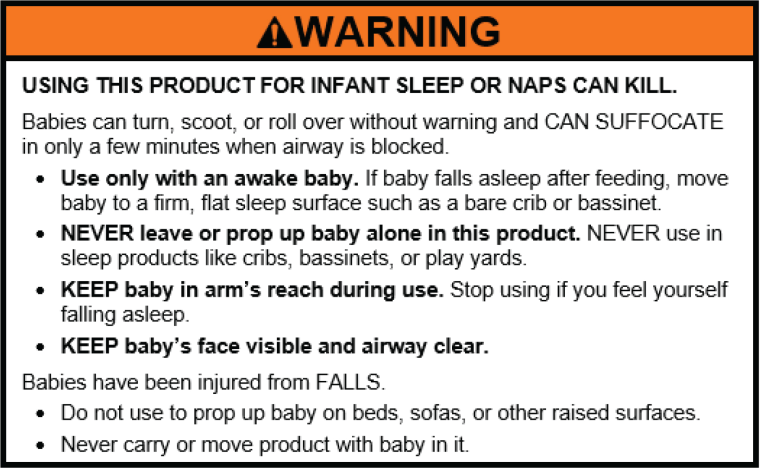
This is the most critical safety rule. Over 150 infant deaths have been linked to using nursing pillows as loungers or sleep surfaces. Always follow these guidelines:
- Keep your baby fully supervised at all times while on the pillow
- Place your baby on a firm, flat crib mattress for sleep, never on the pillow
- Never leave your baby unattended on the pillow, even for a short nap
Pillows manufactured after April 2025 must meet stricter safety standards, including wider openings and clear warning labels against sleep use.
Position the Pillow Correctly Around Your Waist

Sit First, Then Wrap the Pillow
Always sit down before placing the nursing pillow around your midsection. The cushion should rest on your lap and extend around your sides without sliding.
- Fasten the strap at your side (typically the right side for right-handed users)
- Tighten until the pillow feels snug and stable
- Adjust so the top of the pillow aligns with your mid-chest
If the pillow sits too low, sit cross-legged or place a small cushion under your hips to raise your lap and bring the baby closer to breast level.
Use the Kiss Test to Check Height
The pillow should bring your baby’s mouth level with your nipple. A simple way to verify this is the “kiss test”: if you can kiss the top of your baby’s head without bending your neck, the height is correct. If you’re hunching forward, the pillow is too low. Never lower your baby to meet your breast; always bring the baby up to you.
Place Your Newborn Safely on the Pillow
Align the Baby’s Body Tummy-to-Tummy
Lay your baby on their side, facing you directly. Their body should form a straight line from ear to hip, with no twisting or tilting.
- Keep the head, neck, and spine aligned
- Support the entire body from head to bottom
- Use your hand to gently cradle the head if needed, but let the pillow bear most of the weight
Prevent Slipping and Rolling
Position your baby deep in the curve of the pillow, not on the sloping edge. If slipping occurs:
- Tighten the waist strap
- Reposition the baby closer to your body
- Try the football hold for better stability
Never use straps or restraints to hold the baby in place. The pillow is a support tool, not a safety harness.
Master Key Feeding Positions
Cradle Hold: The Classic Face-to-Face Position
Best for babies with some head control and relaxed bonding sessions. Lay your baby horizontally across the pillow with their head resting in the crook of your arm on the same side as the feeding breast. Use your free hand to guide the breast or bottle. The pillow supports the baby’s weight, so your arms stay relaxed.
Cross-Cradle Hold: Extra Head Control for Newborns
Best for newborns, latch challenges, and premature babies. Support your baby with the arm opposite the feeding breast, cradling their head in your hand with your palm supporting the neck. Use your other hand to guide the breast. This position gives you more control during latching while the pillow supports your supporting arm.
Football Hold: Ideal for C-Section Recovery
Best for cesarean recovery, large breasts, twins, and babies with reflux. Tuck your baby under your arm like a football, with their legs extending toward your back and their head near your breast. Support the baby’s head with your hand on the pillow. This keeps the baby’s weight off your incision and provides better visibility for positioning.
Side-Lying Position: Night Feeding Made Easier
Best for night feeds, perineal tears, and extreme exhaustion. Lie on your side facing your baby, place a pillow behind your back and between your knees, and position the baby on the nursing pillow between your arms. Keep your face close to monitor your baby. Never fall asleep in this position, as rolling onto the baby is a serious risk.
Tandem Nursing: Feeding Twins Together
Best for parents of multiples. Use a wide U-shaped or twin-specific pillow like the My Brest Friend Twin Plus. Common configurations include:
- Double Football: One baby under each arm
- Double Cradle: Babies side-by-side with overlapping legs
- Combination: One baby in cradle, one in football
Troubleshoot Common Feeding Problems

Baby Slips Off the Pillow
The strap may be too loose or the baby may be positioned too high on the curve. Tighten the waist strap firmly, place the baby deeper in the pillow’s curve, or switch to the football hold for better stability.
Back or Neck Pain Persists
The pillow may be too low or your chair may lack proper support. Sit on a cushion to raise your lap, cross your legs to lift your hips, use a footstool for better posture, and ensure your chair supports your lower back.
C-Section Discomfort
Pressure on the incision site can be painful. Stick to the football hold, use a firm pillow to create a protective barrier, and avoid the cradle hold until you have healed.
Pillow Feels Too Tight or Too Loose
Your body type may not match the pillow’s design. Choose U-shaped pillows for larger torsos, adjust the strap frequently as your postpartum body changes, and look for models with extra-long straps or stretchy fabric.
Clean and Maintain Your Pillow Properly
Wash Covers Regularly
Spit-up, milk, and drool require frequent cleaning. Remove the cover using the zipper, machine wash in cold water on a gentle cycle, and air dry or tumble dry on low. Quick-dry fabrics help keep the pillow in daily rotation.
Care for the Inner Foam Core
Most foam inserts should not be machine washed. Spot clean with mild soap and a damp cloth, then air dry completely before reinserting. Some all-fiber fills are washable, but always check the manufacturer’s instructions. Avoid soaking the core, which can cause mold or clumping.
Extend Pillow Use Beyond Feeding
Support Tummy Time
Once your baby has head control (around 2 to 3 months), use the pillow to prop them up during supervised tummy time. Position the baby chest-down over the curve to help strengthen neck and shoulder muscles. Never leave them unattended.
Aid Sitting Practice
Around 4 to 6 months, place the pillow around your baby on the floor to provide soft support as they learn to sit. It cushions falls and creates a safe practice zone during awake, supervised play.
Assist with Crawling and Play
Some parents repurpose the pillow as a soft ramp or obstacle for crawling practice. After weaning, it works well as a pregnancy body pillow or general back support.
Follow Final Safety Reminders Every Time
Always Keep One Hand on Your Baby
Nursing pillows are feeding tools, not baby seats. The moment you set your baby down on the pillow, your hand should remain on them. Looking away, even briefly, increases the risk of rolling or airway obstruction.
Avoid Older, Non-Compliant Models
Check the manufacture date. Pillows made before 2022 may not meet current safety standards. Replace any soft, squishy, or unlabeled models immediately.
Look for Updated Safety Labels
Compliant pillows now include warnings against sleep use, instructions for proper supervision, and firmness guidelines. Brands like Boppy (new design), My Brest Friend, and MomCozy meet post-2025 safety requirements.
Frequently Asked Questions About Nursing Pillows for Newborns
When should I start using a nursing pillow with my newborn?
You can start using a nursing pillow from the first feeding. Newborns benefit from the extra head and neck support, and the pillow helps you maintain proper posture during the frequent early feedings.
Can I use a nursing pillow for bottle feeding?
Yes. Nursing pillows work well for bottle feeding by elevating the baby to a comfortable height and keeping their head slightly higher than their stomach to reduce gas and reflux.
How tight should the nursing pillow strap be?
The strap should be snug enough that the pillow does not slide up or down when you move, but not so tight that it digs into your waist. Adjust it frequently as your postpartum body changes.
Is it safe to let my baby nap on the nursing pillow?
No. Nursing pillows are not safe sleep surfaces. Babies should always sleep on a firm, flat crib mattress on their back, without pillows, bumpers, or soft bedding.
Which nursing pillow shape is best for C-section recovery?
A firm U-shaped pillow used with the football hold works best for C-section recovery. It keeps the baby’s weight off your incision and creates a protective barrier.
How do I know if my nursing pillow is firm enough?
Press firmly into the cushion. A compliant pillow should resist deep compression and not allow your baby’s face to sink into the surface. If it feels soft or plush, replace it with a firmer model.
Key Takeaways for Using a Nursing Pillow with Your Newborn

A nursing pillow transforms feeding from a physically taxing task into a comfortable, sustainable routine when used correctly. Choose a firm, well-fitted model that meets current safety standards, position it at the right height using the kiss test, and always supervise your baby while they are on the pillow. Master at least two feeding holds so you can switch positions based on comfort, recovery needs, and your baby’s preferences. Start by selecting a pillow that matches your body type and feeding goals, then practice the positioning steps during your next feeding session to feel the difference in real time.