How to Wash Fluffy Pillow Cases
Fluffy pillow cases add warmth and texture to any room, but their plush surface collects dust, oils, and stains faster than standard bedding. When it comes to how to wash fluffy pillow cases, most people either damage the fibers with hot water or end up with a matted, stiff mess. The problem is that “fluffy” covers everything from faux fur to bouclé, velvet, and silk—each requiring specific care.
This guide breaks down the entire process into clear, actionable steps. You will learn how to read care labels, choose between machine washing, hand washing, and spot cleaning, plus how to dry and restore softness. Whether you are dealing with a delicate silk cover or a durable polyester blend, these methods will keep your pillow cases looking and feeling new.
Decode the Care Label Before You Do Anything
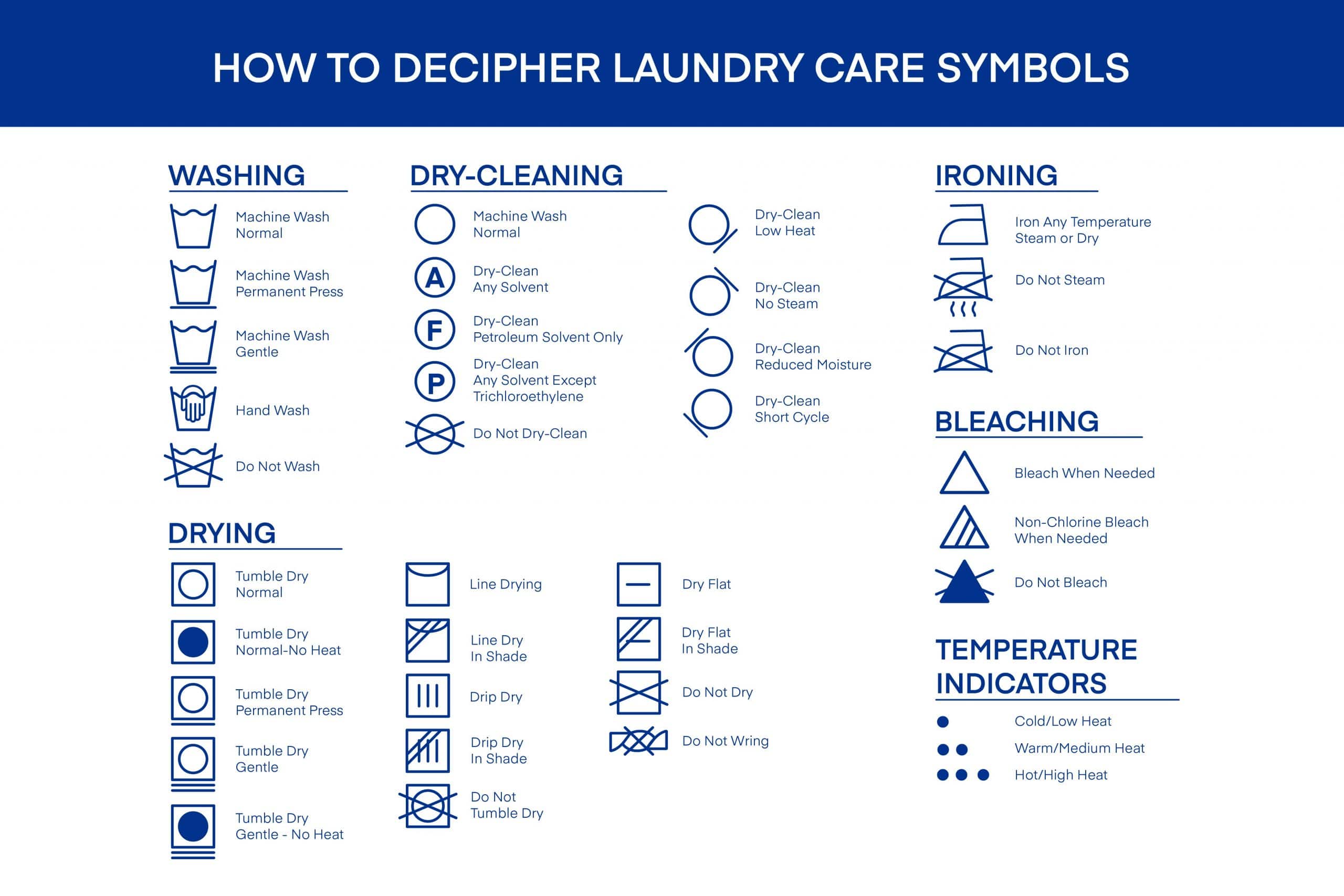
Understand the Cleaning Code Symbols
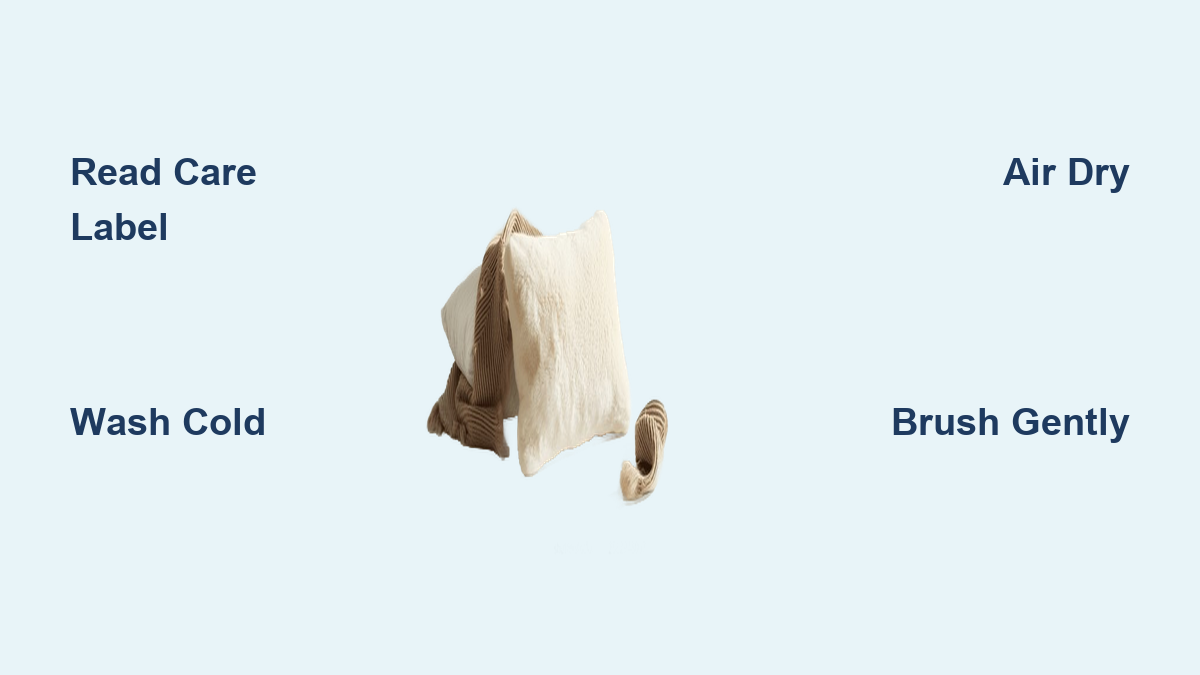
Every fluffy pillow case has a care label with standardized symbols that tell you exactly which cleaning method is safe. Ignoring these codes is the fastest way to ruin your cover.
- W (Water Washable): Safe for machine or hand washing with mild detergent. Common on cotton and polyester blends.
- S (Solvent Only): Requires dry cleaning or spot treatment with upholstery solvent. Water will shrink or distort these fabrics.
- WS (Water or Solvent): Either method works, but always test a hidden spot first.
- X (Vacuum or Brush Only): No liquids allowed. Use only dry cleaning methods.
If the label is missing or faded, do a spot test. Dab a damp white cloth on a hidden area. If color transfers or the texture changes, skip water and consider professional cleaning.
Identify Your Fabric Type
Different fluffy textures demand different care approaches:
- Faux Fur: Prone to matting. Wash cold, never wring, and always air dry.
- Velvet: Sensitive pile that crushes easily. Spot clean or dry clean only.
- Bouclé: Looped weave that snags. Avoid scrubbing and hand wash gently if needed.
- Silk and Satin: Highly pH-sensitive. Hand wash in cold water with neutral detergent.
- Cotton and Polyester: Most durable. Usually machine washable in cold water.
Knowing your fabric prevents costly mistakes and keeps the texture intact.
Prepare Your Pillow Case for Washing
Remove the Cover and Turn It Inside Out
Always separate the cover from the insert before washing. Washing the whole pillow traps moisture inside, which leads to mildew and clumping. Once removed, turn the cover inside out. This protects the outer fluffy surface from friction during the wash cycle and preserves the plush appearance.
Use a Mesh Laundry Bag
For machine washing, place the cover in a mesh laundry bag. This simple step reduces tangling, prevents fiber shedding, and shields zippers or decorative trims from damaging the drum. It also minimizes agitation, which is critical for preventing matting in faux fur and bouclé fabrics.
Treat Stains Before Washing
Act quickly on fresh spills. Blot—never rub—blood, makeup, or food stains with a clean white cloth. For organic stains, apply a small amount of enzyme-based cleaner. For grease, make a paste of baking soda and water, work it in gently with a soft brush, and let it sit for 15 minutes before washing. Always test any cleaner on a hidden area first.
Choose the Right Washing Method
Machine Wash Only When the Label Allows
Machine washing works for cotton, polyester, and some faux fur covers labeled as machine washable.
Use Cold Water and a Gentle Cycle: Set your washer to cold water and the delicate or low-spin setting. Heat melts synthetic fibers and shrinks natural ones. Use a mild, fragrance-free detergent and skip the bleach or fabric softener, which coats fibers and reduces fluffiness.
Wash One Cover at a Time: Overloading causes imbalance, especially with bulky items. If you must wash a whole pillow (only if the label permits), add clean white towels to balance the load. In top-loading machines with a center agitator, make sure the pillow has room to move freely.
Run an Extra Rinse Cycle: This flushes out all detergent residue. Leftover soap leaves fabric stiff and can irritate sensitive skin.
Hand Wash for Delicate or Uncertain Fabrics
Hand washing is the safest method for silk, velvet, wool, memory foam, or any cover where you are unsure about the fabric. It gives you full control over water temperature and pressure.
Fill a Tub or Basin: Use a clean bathtub or large basin filled with cold or lukewarm water. Add two teaspoons of gentle, non-alkaline detergent. Avoid dish soap or laundry pods, which are too harsh.
Soak and Agitate Gently: Submerge the cover completely and let it soak for 10 to 15 minutes. Then knead it with your hands for about 5 minutes. Do not scrub or twist. This loosens dirt without damaging the fibers.
Rinse Until Water Runs Clear: Drain the soapy water, refill with cool clean water, and knead again. Repeat two to three times until no suds remain. Residual detergent causes stiffness.
Press Out Water Without Wringing: Never wring a fluffy cover. Instead, press it gently against the tub side to release excess water. Then lay it flat on a thick dry towel, roll the towel into a burrito shape, and press down to absorb moisture. Unroll and repeat with a second dry towel if needed.
Spot Clean for Light Soiling or “X” Labels
If the label says “X” or the cover has only minor surface dirt, skip full washing.
Blot Gently with a Damp Cloth: Use a white cloth, cold water, and a drop of mild soap. Blot the stained area without rubbing in circles, which spreads the stain. Let it air dry completely before using the pillow again.
Deodorize with Baking Soda: For odors or light surface dirt, sprinkle baking soda generously over the cover. Let it sit for one hour, then vacuum with an upholstery attachment. This freshens the fabric without introducing moisture.
Dry the Right Way to Protect the Fibers
Air Drying Is Always Safest
Heat from dryers melts faux fur, shrinks cotton, and stiffens velvet. Air drying preserves the texture and prevents damage.
Lay Flat or Hang Properly: Lay the cover flat on a dry towel or drying rack. Avoid hanging heavy wet covers, which stretch out of shape. For lighter fabrics, a pillow hanger works well.
Dry in Shade with Good Airflow: Keep the cover out of direct sunlight to prevent fading. Indoor airflow is ideal—use a fan to speed up drying. Turn the cover once halfway through for even evaporation.
Allow Up to 24 Hours for Thick Fabrics: Dense or heavily padded covers can take a full day to dry completely. Rushing this step leads to mildew and musty odors.
Tumble Dry Only If the Label Permits
Some cotton or polyester blends allow tumble drying on low heat or air fluff only.
Add Dryer Balls: Toss in wool dryer balls or clean tennis balls. They break up clumps, circulate air, and reduce drying time.
Check Every 15 Minutes: Stop the dryer periodically to fluff the cover by hand. Remove it while still slightly damp to prevent over-drying and fiber damage.
Restore Fluffiness After Washing
Brush Gently in One Direction
Once the cover is dry, use a soft-bristle brush, a pet slicker brush, or a wide-tooth comb to restore texture. Always brush in the direction of the fur or nap—never against it. This lifts flattened fibers and removes tangles without pulling them out.
Knead and Fluff the Filling
If you washed the insert or a non-removable pillow, knead and massage it by hand several times during drying and after. This redistributes the filling and restores loft.
Remove Wrinkles Safely
If wrinkles remain, use a steamer or iron on the lowest heat setting. Place a clean cotton cloth between the iron and the fabric to prevent scorching. Never apply direct heat to faux fur or velvet.
Maintain and Store Your Pillow Cases Properly
Follow a Regular Cleaning Schedule
- Daily use (bedroom or living room): Wash every 2 to 4 weeks.
- Pet-friendly homes or allergy sufferers: Clean every 1 to 2 weeks.
- Guest rooms or occasional use: Wash every 3 to 6 months, plus a refresh before visitors arrive.
- After spills: Spot clean immediately, then wash fully if needed.
Store in Breathable Bags
When storing seasonal covers, use cotton storage bags instead of plastic. Plastic traps moisture and encourages mildew growth. Keep bags in a cool, dry place away from sunlight. Add cedar blocks or lavender sachets to repel moths and maintain a fresh scent.
Rotate Covers Seasonally
Rotating pillow covers reduces wear and gives you time to clean backups without going without your favorite ones.
Know When to Replace the Cover
Even with perfect care, fluffy pillow cases eventually wear out. Replace yours if:
- The cover does not spring back when folded in half.
- Fibers are permanently matted or shedding excessively.
- Visible tears, holes, or irreversible stains appear.
A well-maintained fluffy pillow case lasts 1 to 2 years with regular cleaning and proper storage.
Avoid These Common Mistakes

Never Use Hot Water or High Heat
Heat is the number one enemy of fluffy fabrics. It melts synthetics, shrinks cotton, and stiffens velvet. Always use cold water and low or no heat.
Skip the Fabric Softener
Fabric softener coats fibers and reduces both fluffiness and breathability. It is especially harmful to faux fur and down-like fills. Use white vinegar in the rinse cycle instead—it softens naturally and removes residue.
Do Not Overload the Washer
Bulky pillow covers need space to move freely. Overloading causes poor cleaning, machine imbalance, and unnecessary strain on the motor. Wash one cover at a time with plenty of room.
Avoid Wringing or Twisting
Wringing distorts the fabric and damages internal fibers. Always press or towel-dry instead.
Frequently Asked Questions About Washing Fluffy Pillow Cases
Can I machine wash any fluffy pillow case?
Only if the care label shows a “W” code or states “machine washable.” Covers labeled “S” or “X” require dry cleaning or spot treatment only. Machine washing the wrong fabric causes shrinking, matting, or permanent texture loss.
What detergent works best for fluffy pillow cases?
Use a mild, fragrance-free, non-alkaline detergent. For silk or wool, choose a pH-neutral formula. Avoid bleach and fabric softener, which damage fibers and reduce softness.
How do I fix a matted faux fur cover after washing?
Gently brush the fibers in one direction using a soft-bristle or pet slicker brush. Work slowly and avoid pulling. Adding wool dryer balls during a low-heat tumble cycle (if the label allows) also helps restore loft.
How long does it take to air dry a fluffy pillow case?
Air drying can take up to 24 hours for thick or dense fabrics. Lay the cover flat in a well-ventilated area away from direct sunlight. Using a fan speeds up the process.
Can I put a fluffy pillow case in the dryer?
Only if the care label explicitly permits it. Use the lowest heat or air-fluff setting, add dryer balls, and check every 15 minutes. Remove the cover while slightly damp to prevent over-drying.
How often should I wash fluffy pillow cases?
For daily use, wash every 2 to 4 weeks. In homes with pets or allergy sufferers, clean every 1 to 2 weeks. Guest room covers need washing every 3 to 6 months.
Key Takeaways for Washing Fluffy Pillow Cases
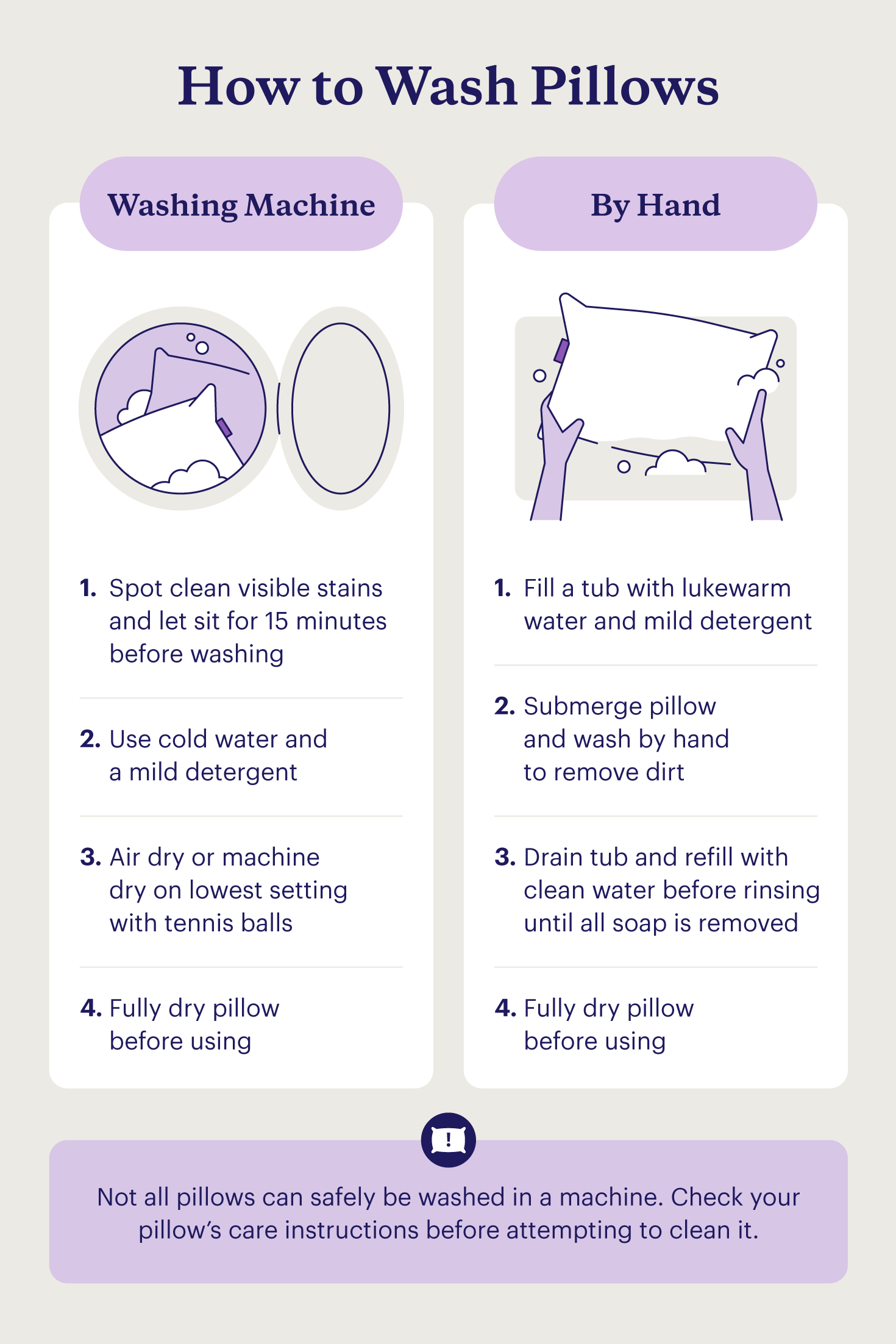
Knowing how to wash fluffy pillow cases comes down to three essentials: read the care label, match your method to the fabric, and avoid heat at every stage. Hand washing in cold water is the safest option for delicate materials, while machine washing on a gentle cycle works for durable cotton and polyester blends. Always air dry when possible, and restore softness with gentle brushing once the cover is dry.
Start by checking the label on your pillow case today. Identify the fabric, choose the right cleaning method, and set up a regular washing schedule. With these habits in place, your fluffy pillow cases will stay soft, fresh, and beautiful for years to come.